Guide - Paint Protection Film
PPF is thick, clear and self-healing - it protects. Vinyl wrap is thinner, colored and transformative - it restyles while giving light protection. Choose film to keep a c…
The short answer: PPF is thick, clear and self-healing - it protects. Vinyl wrap is thinner, colored and transformative - it restyles while giving light protection. Choose film to keep a color you love safe; choose wrap to change the color entirely. Some cars wear both: wrap for the look, film over the impact zones.
In this guide
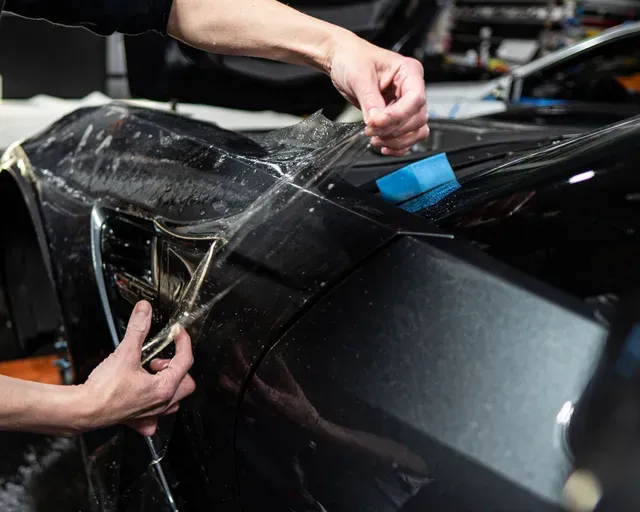
Thickness tells the storyLifespan and warrantyCost and combinationResale logicLiving with each one, week to weekHow each one fails, and what the fix looks likePPF runs about 8 mils of polyurethane engineered to absorb impacts and self-heal. Color vinyl is roughly half that - fine against UV and light abrasion, but a stone that PPF shrugs off will mark vinyl. Vinyl’s protection is real but incidental; PPF’s is the entire design.
PPF: 10-year warranties, 7–10 year realistic life. Quality cast vinyl: 5–7 years, with matte and chrome finishes at the shorter end. Both are removable from sound factory paint.
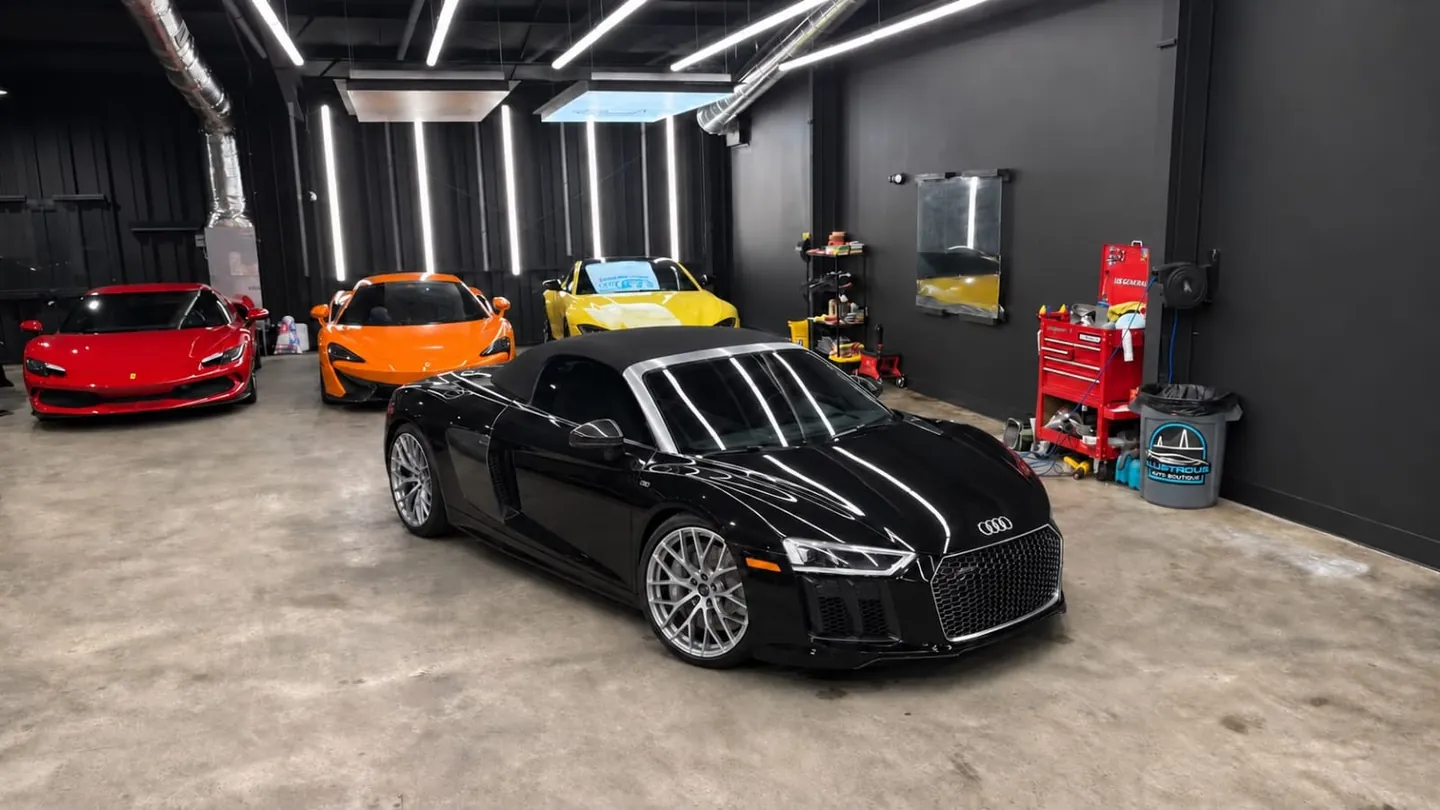
Full-body PPF from $5,999; full color-change wrap from $2,999. The enthusiast combination - wrap the car, then PPF the front over the wrap - buys the look and the armour, and is increasingly common on Charleston exotics.
PPF preserves original paint and documents as protection. A wrap preserves the paint physically but the next buyer must want (or remove) the color. Both beat a respray for value.
Day to day, the two products ask different things of you. Gloss PPF behaves like good paint: wash it with pH-neutral shampoo, dry it, and let the self-healing topcoat erase the light swirls your wash mitt leaves behind. It asks for no special products and no special thought, which is exactly why daily drivers wear it well. Color vinyl asks for a little more awareness. It prefers hand washing, dislikes aggressive solvents and tar removers used carelessly, and matte or satin vinyl shows oily fingerprints that need a dedicated matte cleaner to lift cleanly.
Heat behavior differs too. Charleston summers are kind to PPF’s self-healing and irrelevant to its lifespan, while dark vinyl on a roof or hood works hard in the same sun and ages fastest on those horizontal panels. Vinyl also telegraphs what is underneath: any chip, dent or rough repair in the paint shows through a thin color film, so wrap prep includes honest panel assessment. Neither product wants a drive-through brush wash, but if one accidental harsh wash happens, the PPF car shrugs it off and heals; the vinyl car may keep the marks. Choose with your real habits, not your best intentions.
PPF fails by sacrifice. A hard stone strike cuts or dents the film, the paint underneath survives, and the fix is replacing that panel’s film - a half-day job that returns the panel to invisible. Late in life, film edges can lift slightly and the surface carries the texture of everything it absorbed; removal with steam reveals the preserved paint, and you start again from a clean sheet.
Vinyl fails by appearance first. Gloss vinyl fades unevenly between horizontal and vertical panels, edges can shrink or lift in door shuts and around handles, and a stone that PPF would absorb can tear vinyl and leave a flap that collects dirt. The fix for localised vinyl damage is rarely invisible: a replaced panel of aged vinyl seldom matches the faded panels beside it, which is why damaged wraps often become full re-wraps sooner than owners expect. Neither failure mode is a reason to avoid the product - but they point the products at different jobs. Film is the long, quiet insurance policy. Vinyl is the shorter, louder style statement, best entered with its replacement cycle understood from day one.
Yes, and it is a combination we fit regularly on Charleston exotics: color wrap first for the look, then clear film over the bumper, hood and rockers to armour the wrap itself. The film protects the vinyl from the stone strikes that would otherwise tear it, and both layers still remove cleanly from sound factory paint later.
It depends on the lease. Film protects you against chip and scuff charges at hand-back and removes without trace, so a partial or full front often pays for itself. A full color wrap is harder to justify on a short lease unless the transformation itself is the point - removal time belongs in that math too.
Only if you pay for it. A standard wrap covers the exterior faces, so opening a door reveals the original color in the shuts and jambs. Full jamb coverage is available but adds considerable labor. Clear PPF has no such question - it changes nothing about the color anywhere, which is rather the point of it.
Key takeaways
PPF: thick, clear, self-healing - pure protectionVinyl: thinner, colored - transformation plus light protectionLifespans: PPF ~10 yrs · vinyl 5–7 yrsWrap + front PPF is the best-of-both combinationKeep reading
Getting it done locally: see Paint Protection Film in Charleston or Paint Protection Film in Mount Pleasant - same studio standard, priced for your exact car.
Send us the year, make and model - you’ll get an exact quote and the next studio slot.