Guide - Paint Protection Film
Quality PPF is warranted for 10 years and typically serves 7–10 in Charleston conditions. At the end of its life it’s removed with heat and patience, revealing the preser…
The short answer: Quality PPF is warranted for 10 years and typically serves 7–10 in Charleston conditions. At the end of its life it’s removed with heat and patience, revealing the preserved paint beneath - then you choose: re-film, coat, or enjoy the paint the film saved.
In this guide
The honest lifespanWhat ageing looks likeRemoval dayThen what?A care calendar that gets film to year tenSix early warning signs worth catching at homeSun is the clock. A garaged car’s film ages slowly; a driveway car in SC sun works its film harder. Manufacturers warrant 10 years against yellowing, cracking and peeling - realistic service is 7–10 years depending on storage and mileage. Highway cars "use" film faster - that’s the film doing its job, taking hits so paint doesn’t.
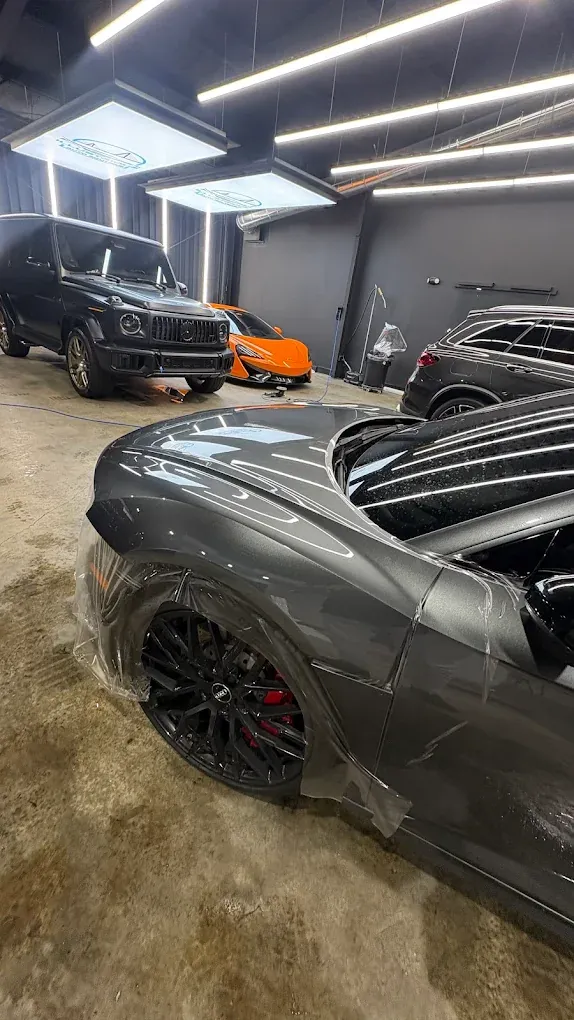
End-of-life film doesn’t fail dramatically: edges may lift slightly, the surface accumulates the scars it absorbed, gloss softens. It’s a gradual "time to refresh," visible in our lighting bay long before it’s visible on the street.
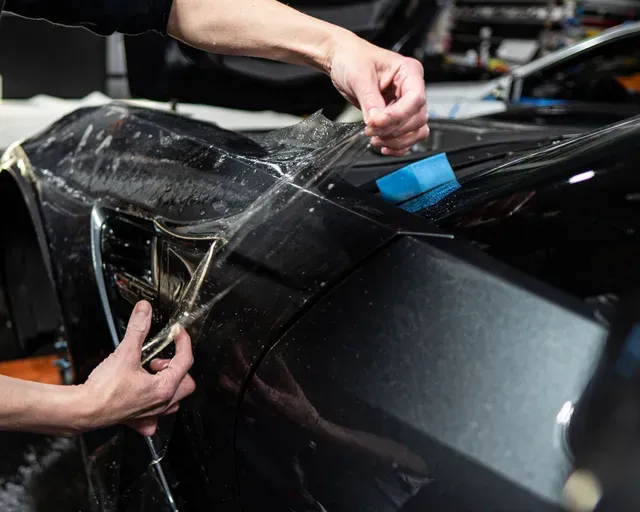
Proper removal is heat, steam and patience - the film releases from sound paint cleanly, panel by panel. The reveal is the product’s whole promise: factory paint, preserved in the condition it was filmed in, often looking years younger than the car.
Most clients re-film the high-impact zones or coat the revealed paint. Some sell the car - and a documented film history with preserved original paint is a genuinely strong selling point.
Film lifespan is not luck; it is mostly a short calendar kept faithfully. Weekly or fortnightly, wash with pH-neutral shampoo and dry the car rather than leaving Lowcountry water to spot on it. Every few months, walk the edges with your fingertips while washing - a lifting edge caught early is a five-minute fix, while one left to collect dirt for a year becomes a replacement panel. Once a year, have the film decontaminated and inspected under proper light; iron fallout and baked-on pollen removed annually never get the chance to stain or dull the surface.
Storage habits compound quietly. A garaged car’s film ages at a fraction of a driveway car’s rate under South Carolina UV, and a breathable cover on a garaged car prevents the storage scuffs film then has to absorb. If the car sits outside, a coating over the film adds a sacrificial, renewable layer against UV and salt air, and silica top-ups keep it shedding water. None of this is specialist work - it is perhaps an hour a month. The owners whose film looks tired at year five are almost never unlucky; they are the ones whose calendar had nothing on it.
First, edges that catch a fingernail or show a dark dirt line - caught early, they can often be cleaned and re-sealed before they travel. Second, a panel that stops shedding water evenly while its neighbors still bead, which suggests surface contamination or topcoat wear worth inspecting. Third, any bubble or blister, however small: on a warrantied install that is a claim conversation, not something to press down and forget.
Fourth, a rough, chalky feel on horizontal panels, which signals the surface is ageing and deserves a decontamination before you judge it. Fifth, a cut or flap from a stone strike - the film has done its job, the paint is safe, and that panel should be replaced before water and dirt work under the tear. Sixth, yellowing that survives a proper wash, which on XPEL Ultimate Plus inside ten years is a named warranty item. Photograph anything you spot with your phone, note roughly when it appeared, and bring the car by our North Charleston studio. An inspection under correction lighting takes minutes, and honest answers - including “that is normal, leave it alone” - are free.
Both clocks run, but they measure different things. Mileage spends the film’s impact budget - every I-26 stone it absorbs is wear it took instead of your paint. Age and UV spend its cosmetic budget. A garaged weekend car usually reaches the warranty’s ten years easily; a 20,000-mile-a-year commuter may want a front-end refresh sooner, having used the film fully.
Yes, and it is one of film’s real advantages. Panels wear at different rates - the bumper and hood work far harder than the doors - so replacing a tired front panel at year seven can carry the whole car comfortably to year ten and beyond. Sections are replaced individually, matched in the same film line, without disturbing healthy panels.
It helps the surface, honestly stated. A coating over film adds a renewable sacrificial layer against UV, salt air and chemical staining, and keeps contamination from bonding directly to the film’s topcoat. It does not change the film’s warranty or stop stone impacts - that remains the film’s own job - but coated film consistently looks fresher at inspection time.
Key takeaways
Warranted 10 years; realistic service 7–10 in SC sunAgeing is gradual - scars absorbed, edges the first signRemoval reveals preserved factory paint - the whole pointRe-film, coat, or sell with the paint story documentedKeep reading
Getting it done locally: see Paint Protection Film in Charleston or Paint Protection Film in Mount Pleasant - same studio standard, priced for your exact car.
Send us the year, make and model - you’ll get an exact quote and the next studio slot.