Guide - Paint Protection Film
Tesla’s low, grille-less front ends collect chips faster than almost any car on Charleston roads - and Tesla paint is soft. Full-front PPF is the most-booked Tesla job in…
The short answer: Tesla’s low, grille-less front ends collect chips faster than almost any car on Charleston roads - and Tesla paint is soft. Full-front PPF is the most-booked Tesla job in our studio; here’s the full reasoning and pricing.
In this guide
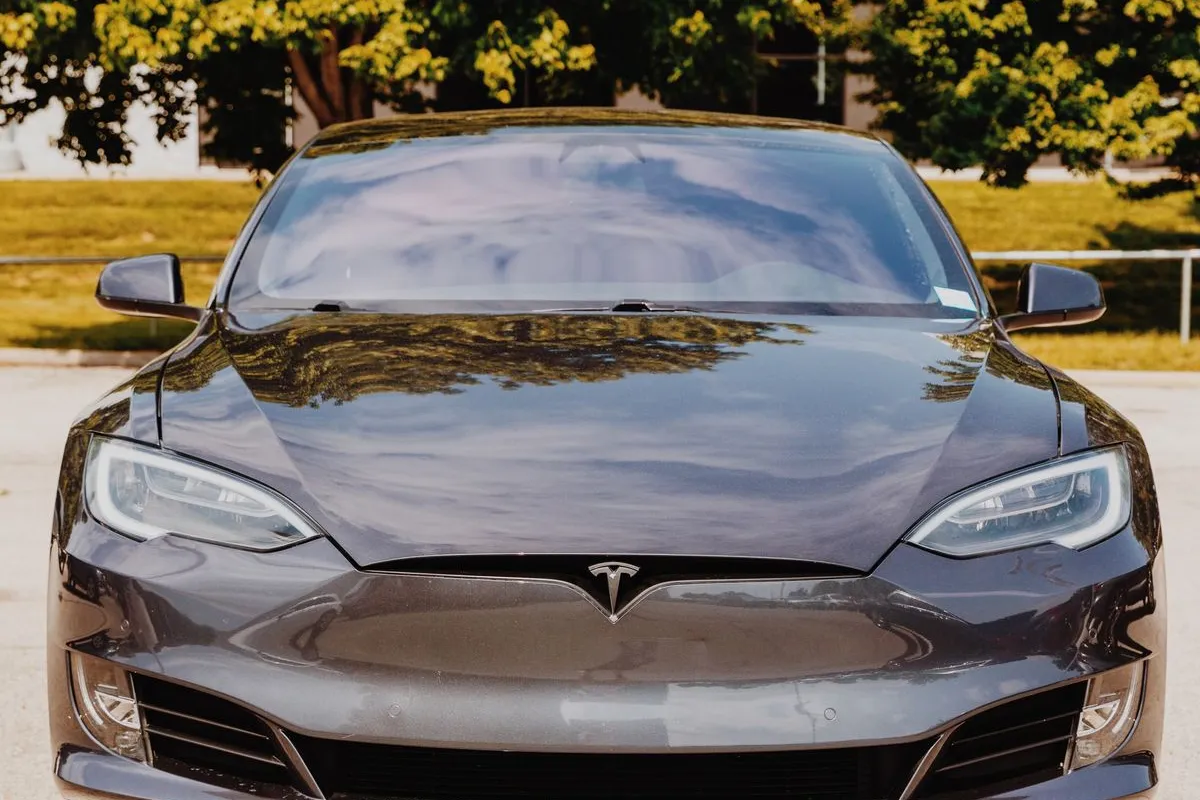
Why Teslas chipWhat owners bookInstall notes for EVsTimingColor by color: what Tesla paint asks of filmRoad trips, beach days and Supercharger stopsNo grille means every stone lands on paint. The Model 3/Y bumper and hood sit low and sloped - perfectly angled to catch I-26 and Ravenel Bridge debris. Owners regularly show us peppered front ends within the first year. It’s the car’s one well-known weakness, and it’s entirely preventable.
Full front ($1,999) is the standard: bumper, full hood, fenders, mirrors, headlights. Many add rocker panels (Tesla’s rear quarters flare into the debris stream) and an 8-year coating over everything else. Cybertruck owners: stainless needs a different conversation - ask us about wrap and coating options.
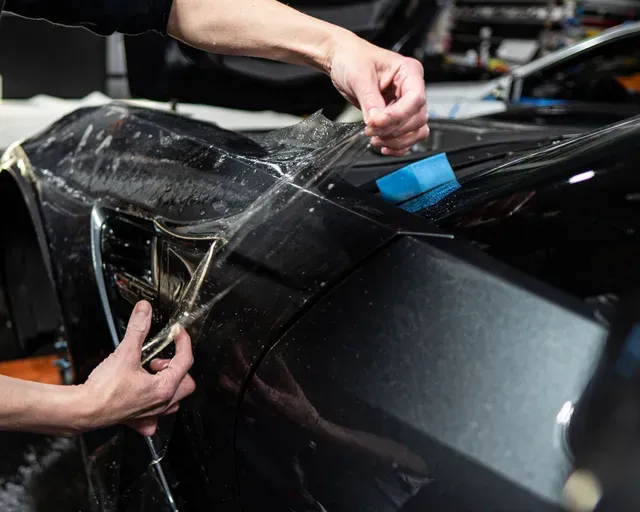
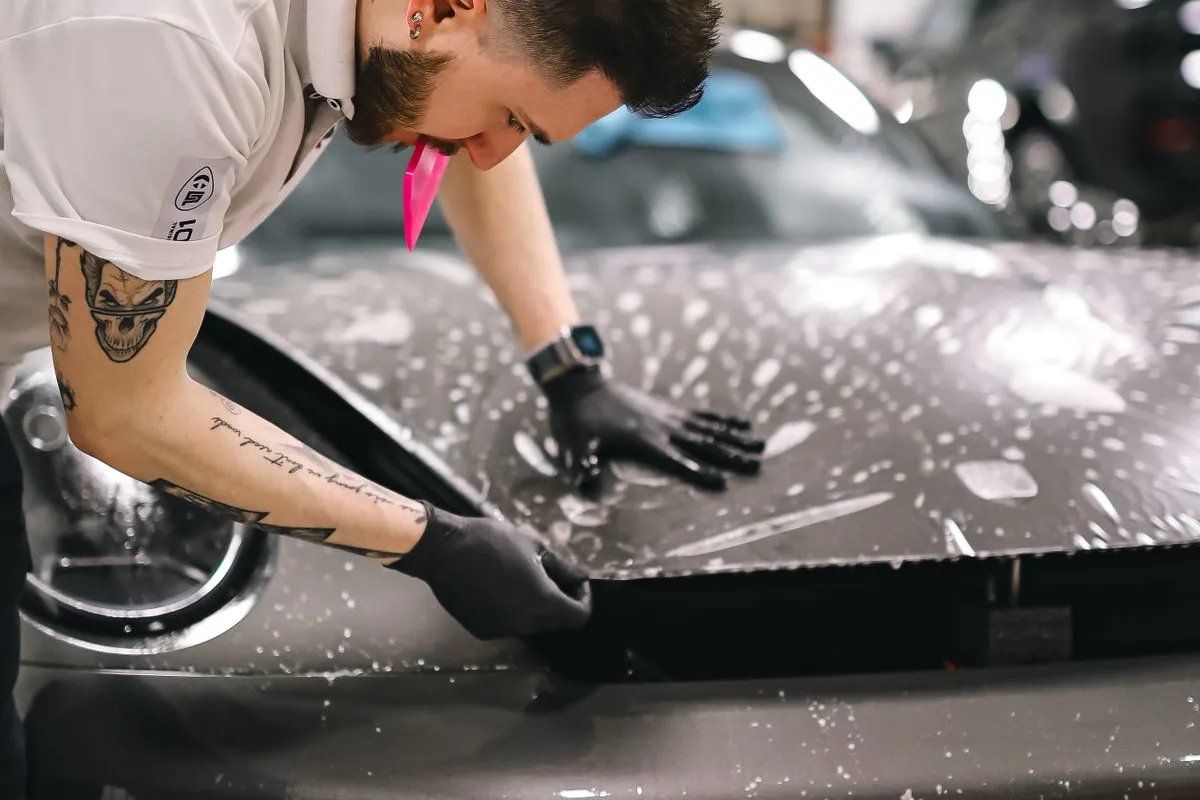
Patterns are cut for the exact model/year; sensors, cameras and the frunk are worked around with EV experience - we film Teslas every week. Panel prep respects the soft paint: gentler correction, no aggressive compounding.
The best PPF day is delivery week, before the first chips. Second-best is now - we’ll correct the front first so existing marks aren’t sealed under film.
Tesla colors do not age or chip identically, and the film conversation changes a little with each. Solid white hides light chips comparatively well but shows film edges and any trapped contamination most honestly, so prep and edge work have to be meticulous. Solid black is the opposite problem: it shows every swirl and wash mark, which makes the correction before filming longer - and makes the self-healing topcoat more valuable afterwards, because black filmed panels quietly erase the marks that black paint would keep.
The deep blues and reds sit between those extremes, with red multi-coat showing chips as pale specks that owners notice quickly on the low nose. Silver and gray are the forgiving colors for both chips and care. None of this changes the coverage we recommend - full front remains the standard Tesla booking at $1,999 - but it changes the prep hours and the aftercare conversation. Tell us the color when you book, not when you arrive. It also decides small things, like whether a partial hood line would ever be acceptable to your eye: on white and black, it usually is not, which settles the partial-versus-full question early.
Charleston Tesla owners use their cars hard in specific local ways, and film earns its keep on each of them. The run up I-26 towards Columbia or down Highway 17 to the beaches is sustained highway speed - exactly the exposure that peppers an unprotected Model 3 or Y front end in a single season. Film turns those trips into non-events. Beach days add their own load: sand on access roads, salt spray in the car park, and gritty towels and coolers dragged past painted panels at loading time.
A few habits multiply the film’s benefit. Keep a longer following distance behind trucks and landscaping trailers, which shed the worst debris, especially in the I-26 construction zones. Rinse the car after beach weekends rather than letting salt sit, and shake sand out of wash mitts before they touch the car - sand in a mitt is how filmed and unfilmed panels alike collect wash scratches, though the film will heal its share. At Superchargers, park nose-in thoughtfully where bollards and cables are concerned; cable drag across a filmed fender is a scuff the topcoat handles, while the same drag on bare soft Tesla paint is a mark you keep.
No. Patterns are computer-cut for your exact model and year, with the camera, sensor and Autopilot hardware areas worked around precisely, and we film Teslas every week. Nothing about a correctly fitted install changes how the car’s driver-assistance features see the road. If any panel ever needs replacing, the replacement follows the same pattern.
If you commute on I-26 or I-526, usually yes. Three Charleston years is plenty of time to pepper that low front end, and chip damage is exactly what trade-in appraisals deduct for. A documented full-front install with preserved paint underneath presents the opposite story. City-only, low-mileage cars are the honest exception - bring us your mileage and routes.
No - this is the most common Tesla arrival we see. We touch up and correct the front first so existing chips are minimized rather than sealed in, then film stops the count where it stands. The front will not be delivery-day perfect underneath, but it will look far better and stop getting worse.
Key takeaways
Grille-less front + soft paint = fastest-chipping cars we seeFull front $1,999 is the standard Tesla bookingRocker panels are the smart add-onBest on delivery week; correction first if chips existKeep reading
Getting it done locally: see Paint Protection Film in Charleston or Paint Protection Film in Mount Pleasant - same studio standard, priced for your exact car. Driving a Tesla or another EV? The Tesla & EV studio page lays out the film and coating combinations we install most.
Send us the year, make and model - you’ll get an exact quote and the next studio slot.