Guide - Paint Protection Film
Partial front ($1,399) covers bumper, partial hood/fenders and mirrors. Full front ($1,999) covers the complete hood, fenders, bumper, mirrors and headlights. Full body (…
The short answer: Partial front ($1,399) covers bumper, partial hood/fenders and mirrors. Full front ($1,999) covers the complete hood, fenders, bumper, mirrors and headlights. Full body (from $5,999) covers everything. The right level is set by your mileage and how long you’ll keep the car.
In this guide
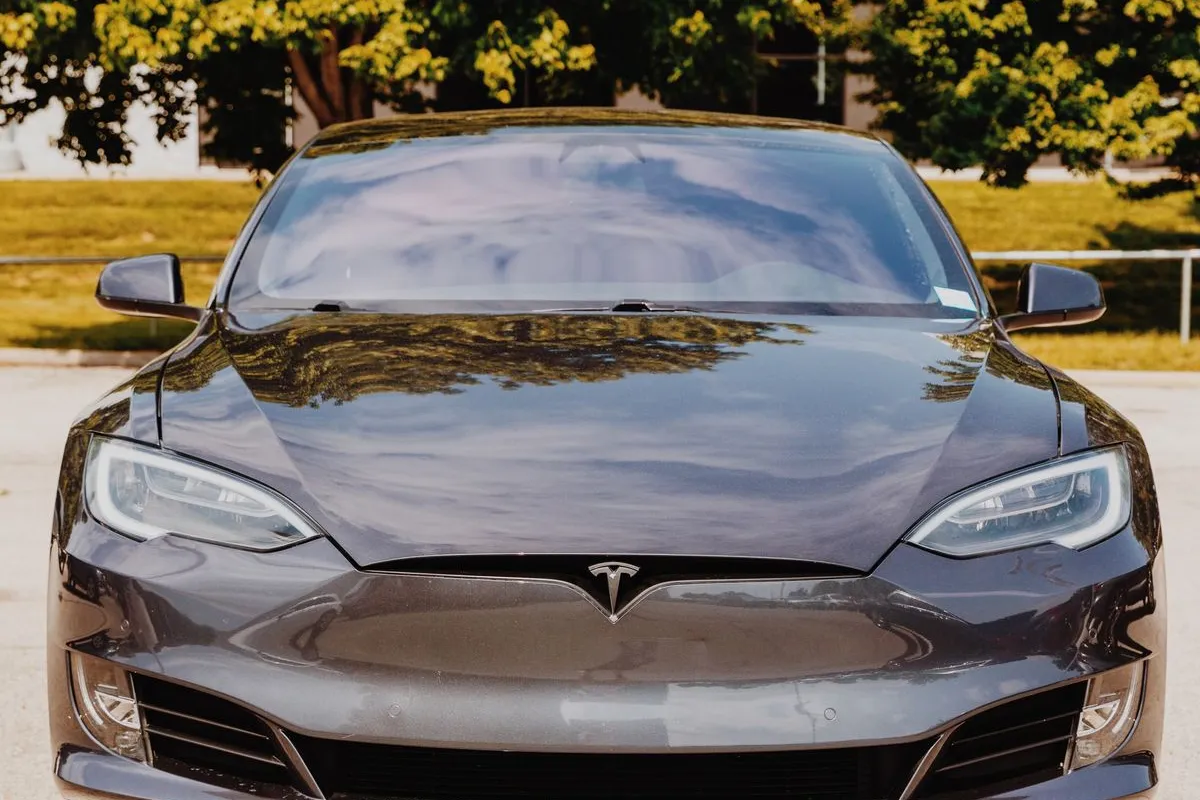
The coverage mapsChoosing by drivingThe visible-line questionStaging is allowedReading your own car’s strike zone before you chooseThe add-ons that quietly earn their moneyA partial front protects the leading edges where most strikes land - but leaves a visible line partway up the hood. A full front eliminates the line (the whole panel is filmed), adds headlights, and covers the full strike zone. Full body protects doors from car parks, quarters from road rash, and the roof from everything the sky sends.
Under ~8,000 highway miles a year and keeping the car 3 years: partial or full front. Daily I-26/I-526 commuter or keeping 5+ years: full front is the sweet spot - it’s our most-booked package for a reason. Exotic, keeper, or matte finish: full body.
Modern film is clear, but a partial hood edge can catch dirt and show on light colors. If the idea of any visible line bothers you, that’s your answer: full front. We’ll show you both on finished cars in the studio.
Film the front now, add doors or full body later - film stages cleanly. Many clients start with the full front and extend at the first maintenance visit once they’ve seen what the film has absorbed.
Before choosing a tier, spend two minutes with your current car in good light - or with the car you are replacing, if the new one has not arrived. Crouch at bumper height and look along the panels rather than at them. Chips cluster where the surface faces the road’s debris stream: the bumper’s leading face, the first third of the hood, the mirror caps, the headlight lenses and the paint directly behind each wheel. Note where your car actually carries damage, because that pattern is your driving, measured honestly.
Then check the places owners forget. Run a hand along the rocker panels and the lower rear quarters - on wide-tyred cars this area is often peppered even when the front looks acceptable. Look at the A-pillars and the leading edge of the roof if you cross the Ravenel Bridge regularly, where crosswinds carry grit higher than flat-road driving does. Look inside the door handle cups for fingernail scuffs and at the boot or tailgate lip for loading marks. Bring those observations to your quote conversation. Coverage chosen from your own damage map beats coverage chosen from a brochure, and it is how we would rather sell it.
Beyond the three headline tiers, four additions come up in almost every good coverage conversation. Headlight film protects lenses that haze and pit from the same impacts as the bumper - and modern LED headlight units are expensive enough that protecting them is arithmetic, not luxury. Rocker panel film covers the strip that collects everything the front tires throw backwards, and on trucks and performance cars it is often the second-worst panel on the vehicle.
Door cup film is a small, cheap panel that deletes the fingernail and ring scratches every daily driver collects. A luggage strip across the rear bumper top stops the suitcase, golf bag and grocery crate scuffs that Charleston weekend cars accumulate. None of these additions is a reason to jump a full tier, and a good installer will price them individually rather than bundling them into a package you did not ask for. The reverse is also true: if your strike-zone check shows clean rockers and quarters, skip the rockers and put the money towards the full hood instead of the partial. Coverage should follow evidence - your evidence, from your car, on your roads.
Yes. The partial panels are removed and the full panels fitted, so you are not layering film on film. Be aware you will pay fitting labor again on the overlap, which is why drivers who already suspect they want the full front save money by starting there. The upgrade path is clean either way - just not free.
Not automatically. Trucks and large SUVs carry huge, flat, expensive panels, work harder around job sites, gravel drives and boat ramps, and hold value in their paint condition. Many owners compromise sensibly: full front plus rockers and lower doors. Judge it by where your current truck is marked, not by the vehicle’s size alone.
Because the full front is designed as the complete strike zone, and headlights sit squarely in it. Pitted, hazed lenses dull the whole front end and replacement LED units can cost more than the film package’s difference. On a partial front we can add headlight film individually - just ask for it to be priced as its own line.
Key takeaways
Partial $1,399 · Full front $1,999 · Full body from $5,999Commuter/keeper = full front, the sweet spotPartial shows a line on the hood - see it in person firstCoverage can be staged over timeKeep reading
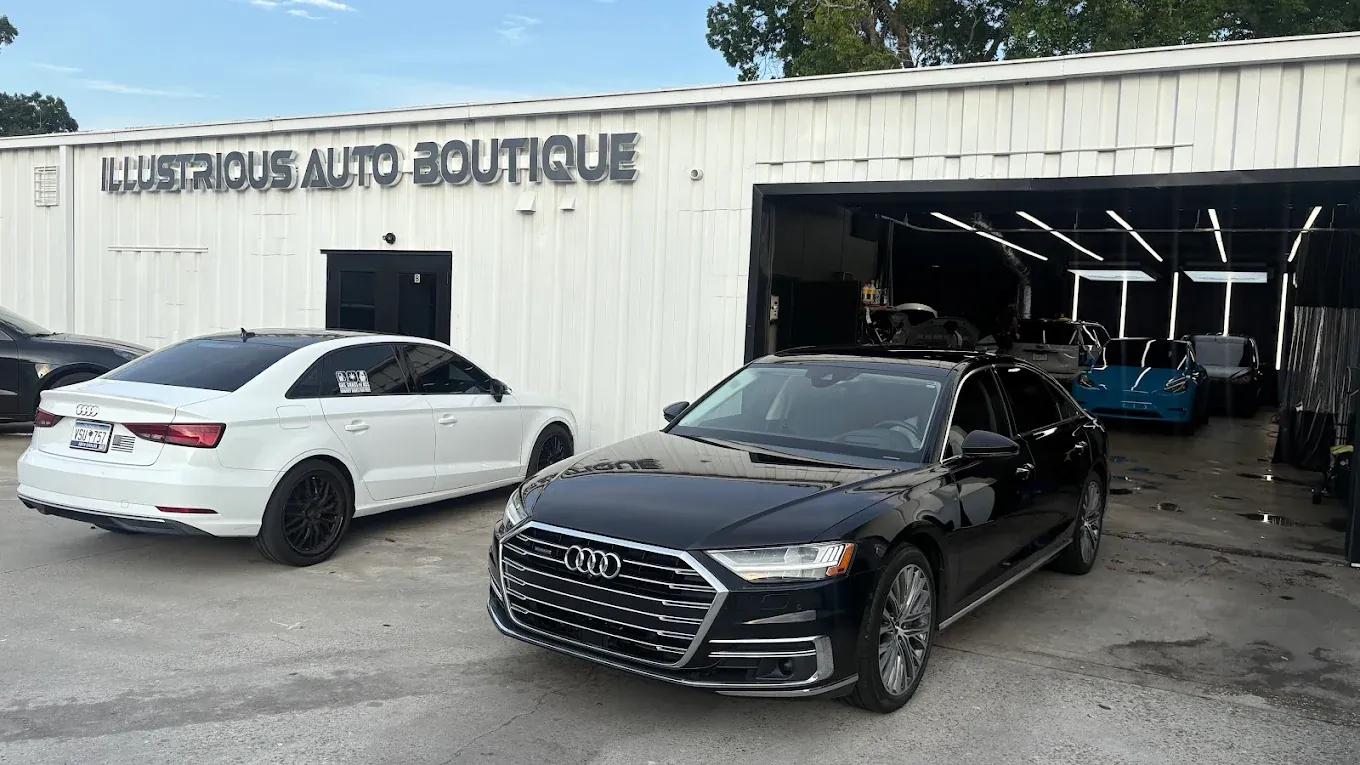
Getting it done locally: see Paint Protection Film in Charleston or Paint Protection Film in Mount Pleasant - same studio standard, priced for your exact car.
Send us the year, make and model - you’ll get an exact quote and the next studio slot.