Guide - Paint Protection Film
Daily drivers gain the most from PPF - they meet the most stones. Garage cars gain differently: film protects against the garage’s own hazards and the weekend miles that …
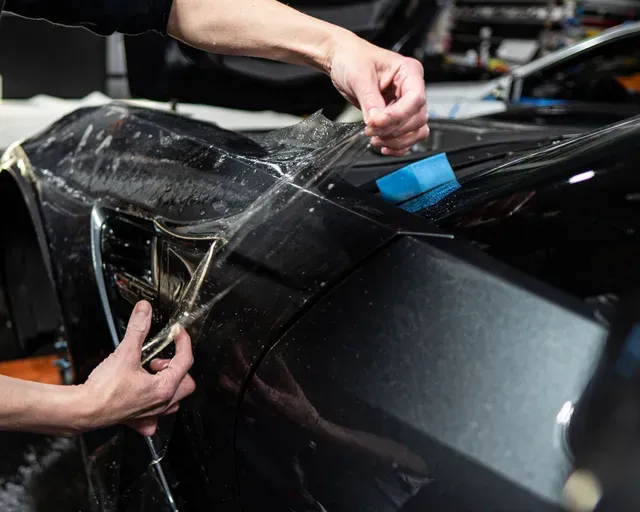
The short answer: Daily drivers gain the most from PPF - they meet the most stones. Garage cars gain differently: film protects against the garage’s own hazards and the weekend miles that matter. The coverage choice differs; the case exists for both.
In this guide
The daily driver caseThe garage car caseCoverage logicThe exceptionThe family SUV and the work truck: the overlooked middleStoring a filmed garage car properlyMiles are exposure. A 15,000-mile-a-year Charleston commuter meets more debris in a month than a garage car meets in a year. For daily drivers, full-front film is close to a mathematical certainty - the only question is whether the front end’s condition will be preserved by film or repaired by a body shop.
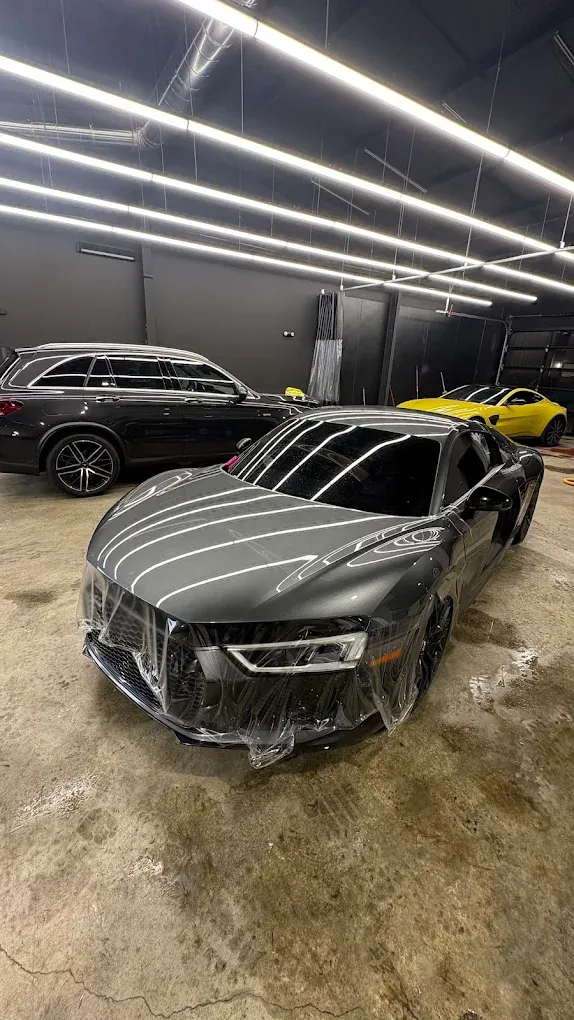
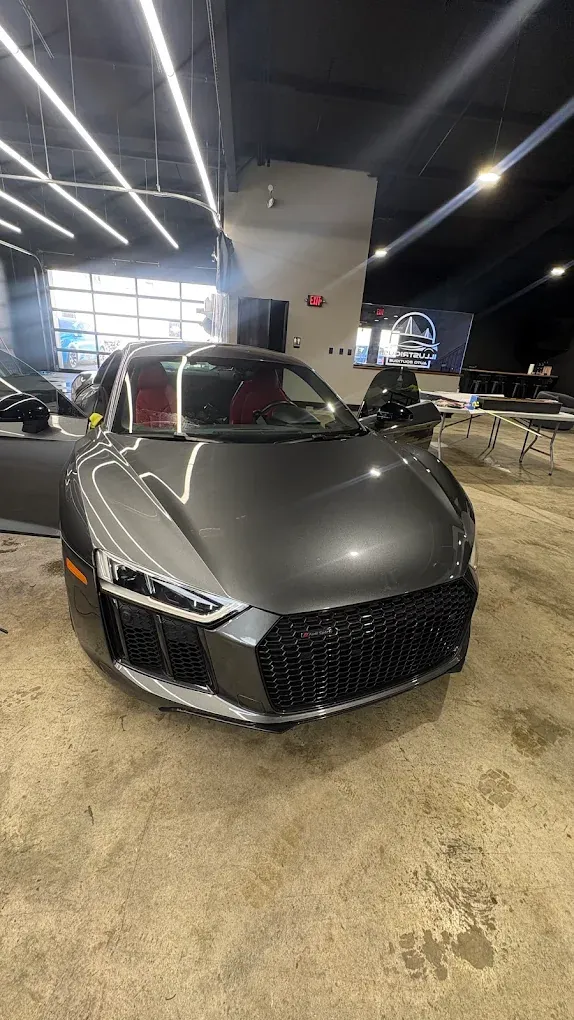
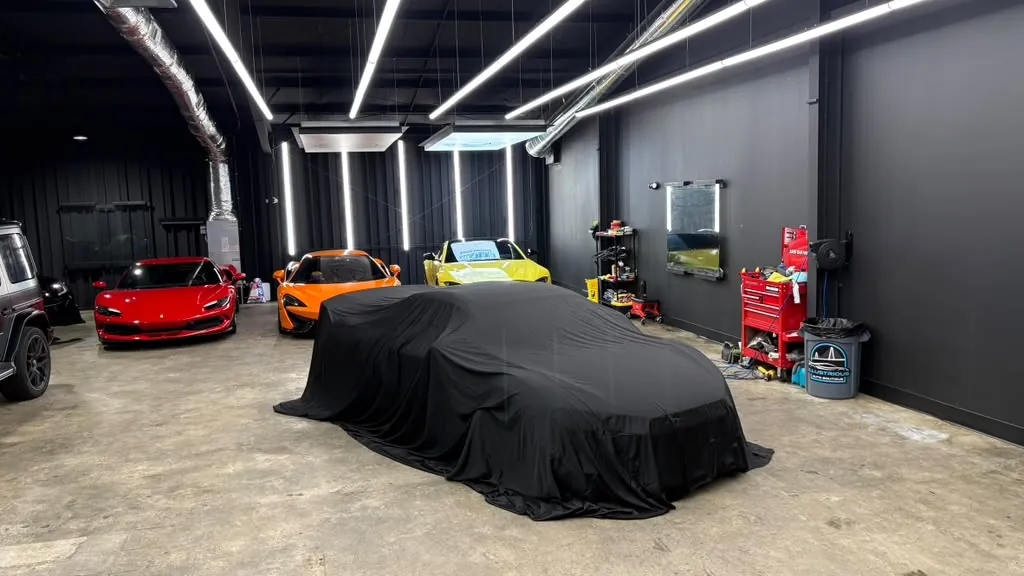
Garage hazards are real: storage scuffs, covers dragged over paint, the occasional ladder incident. And garage cars’ miles tend to be event miles - shows, tours, track days - where condition is judged. Owners film for preservation and originality: the car stays as-delivered, documented.
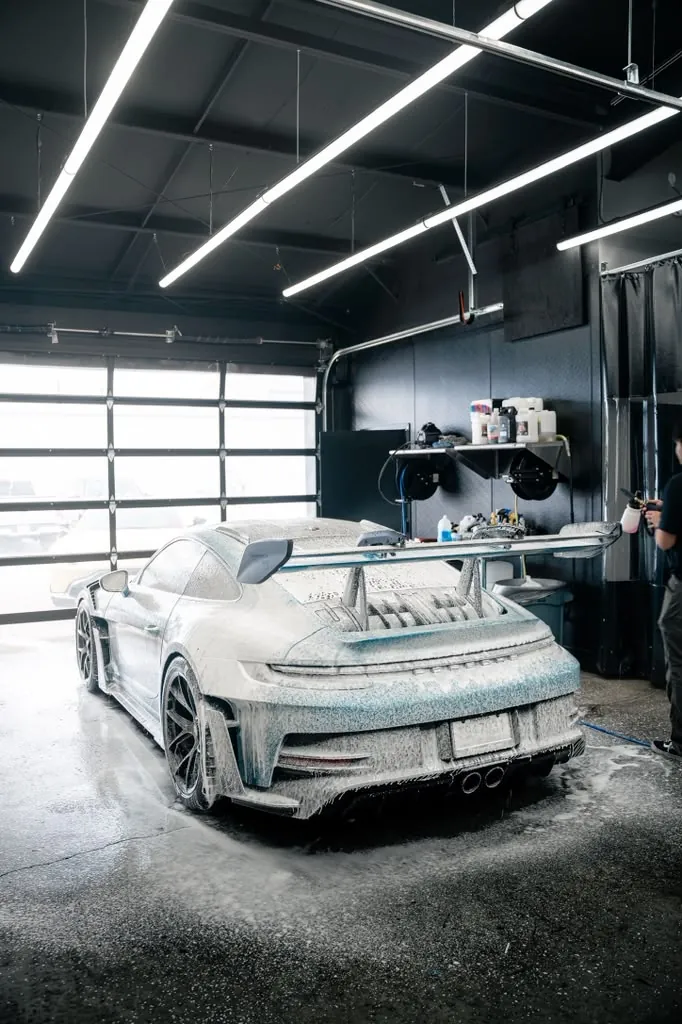
Daily: full front + rockers if quarters are wide. Garage: full front minimum, full body for the true keepers. Both: coating over everything for wash behavior, because even garage cars get washed.
A daily driver on a short lease is the one car we regularly talk OUT of film. Ownership horizon matters more than vehicle type - tell us how long you’ll keep it and we’ll run honest numbers.
Between the exotic in the garage and the commuter sedan sits the vehicle that gains most quietly from film: the family SUV or work truck that does everything. It commutes I-526 in the week, sits in school and grocery car parks, hauls to the beach at weekends and takes the I-26 holiday run fully loaded. Its damage pattern is mixed - highway chips up front, door-edge and handle-cup scuffs from family life, loading marks on the rear bumper - and it is usually kept five to eight years, which is exactly the horizon where film’s math works hardest.
For these vehicles we usually recommend full-front film plus the small working panels: door cups, door edges and the rear loading strip, with coating over everything for the wash behavior a family car desperately needs. The total stays well below full-body money while covering the damage the vehicle will actually collect. Work trucks add rockers to that list without much debate. The honest counterpoint remains the short horizon: if this is a two-year stopgap vehicle, spend on coating and correction instead. Tell us the keep plan when you book - it changes the recommendation more than the badge on the grille does.
Film changes storage less than owners expect, but a few details matter. Always store the car clean and fully dry: contaminants and moisture left under a cover for a winter sit against the film for months, and while film resists staining far better than paint, there is no prize for testing it. Wash and dry thoroughly - including mirrors and shuts, where water hides - and let the car air before the cover goes on.
Use a soft, breathable indoor cover and put it on without dragging it across the panels; two people, front to back, beats one person pulling. Filmed panels will heal the light marks a careful cover still leaves, which is a genuine garage-car advantage. Keep the battery on a tender rather than starting the car for short idles that never warm anything properly. If the car sits near workshop activity, film is quietly earning its keep against overspray, dust and accidental contact. On waking the car, wash it before the first drive rather than dry-wiping settled dust - that single habit prevents most storage swirls, on film and paint alike. Then drive it. Garage cars deteriorate from neglect more often than from use.
It strengthens the coating half of it. A driveway car takes full UV, salt air and pollen with no shelter, so front film for impacts plus coating over everything is the combination we recommend most for outdoor-kept commuters. The film is warranted for a decade of exactly this exposure - outdoor storage is normal service, not abuse.
The one doing the highway miles and staying in the family longest - usually the commuter or family SUV, not the newer badge. Run the strike-zone check on both: the car already collecting chips is telling you where the money works. Owners are often surprised that the older, harder-working car is the right answer, but exposure beats novelty every time.
It needs it less urgently, but most owners still choose it for one reason: garage cars get washed before events, and coating makes that wash faster and safer. Coating also protects the unfilmed panels from the UV the car meets on weekend miles. It is a preference, honestly presented - not a necessity we invent.
Key takeaways
Daily drivers meet the most stones - film pays fastest thereGarage cars: preservation, originality, event-day conditionKeep-horizon decides: short lease = the honest exceptionBoth pair film with coating for the wash behaviorKeep reading
Getting it done locally: see Paint Protection Film in Charleston or Paint Protection Film in Mount Pleasant - same studio standard, priced for your exact car.
Send us the year, make and model - you’ll get an exact quote and the next studio slot.