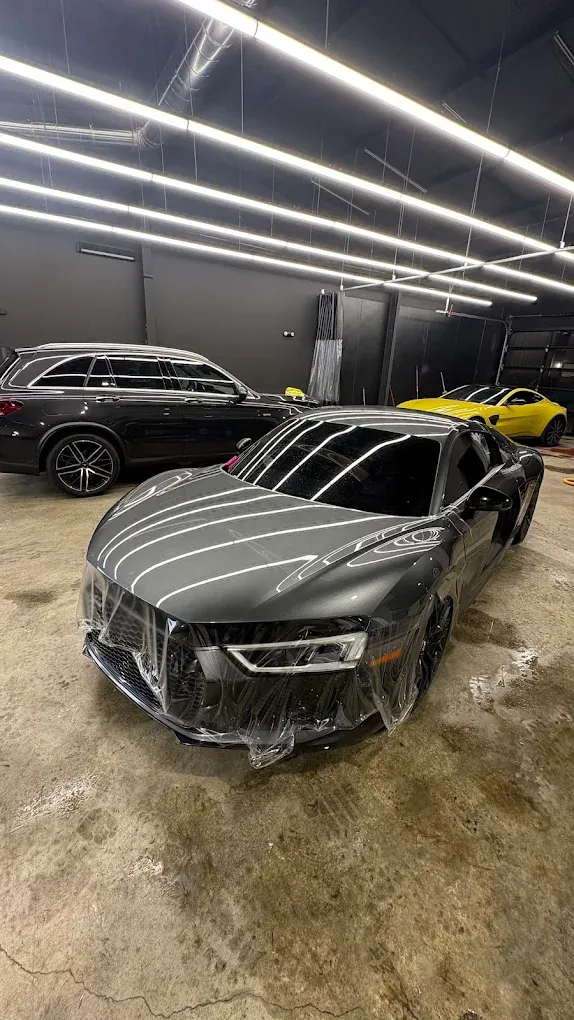
Guide - Paint Protection Film
Yes - quality PPF is designed to be removed. With heat, steam and patience it releases cleanly from sound factory paint, revealing the preserved finish. The exceptions ar…
The short answer: Yes - quality PPF is designed to be removed. With heat, steam and patience it releases cleanly from sound factory paint, revealing the preserved finish. The exceptions are failing clear coat and fresh resprays, which we assess before ever filming.
In this guide
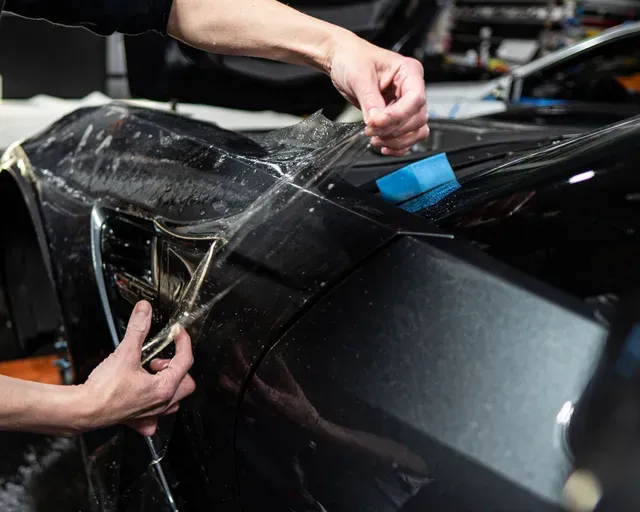
How removal worksWhen removal happensThe honest exceptionsWhy this matters at purchaseWhy we say professionals only: the removal risks in detailAfter removal: inspecting and caring for the revealed paintHeat softens the adhesive; the film is peeled at a low angle, steadily, panel by panel; residue is cleaned with adhesive-safe removers. Rushed removal with blades and force is how paint gets hurt - it’s a patience craft, like the installation it reverses.
At end of warranty life (7–10 years), after a panel takes damage beyond healing, or when a new owner wants a different finish. Sections can be replaced individually - a damaged fender’s film doesn’t mean re-filming the car.
Film should not go on fresh respray (under ~30 days cure), failing or peeling clear coat, or rust. We inspect and will decline panels that aren’t suitable - and tell you exactly why. Over sound factory paint, removal is a non-event.
Removability is the difference between protection and commitment anxiety. You’re not marrying the film - you’re hiring it for a decade, with the paint returned as found.
Removal looks easy in a thirty-second video and goes wrong in predictable ways. The classic error is pulling cold film at a steep angle, which loads the adhesive instead of releasing it and can lift clear coat on any panel that has ever been repaired - the very panels owners do not know were repaired. The second error is rushing with a blade, turning the film’s exit into the paint damage it spent a decade preventing. The third is aggressive solvent use, soaking edges and trim with chemicals chosen for speed rather than safety.
Professional removal is deliberately boring: the panel is warmed, steam works along the peel line, the film comes back on itself at a low angle, and adhesive residue - which varies by film age - is softened and lifted with film-safe removers and plastic tools only. A full front typically takes a few hours, not minutes, and the pace is the point. If you are quoted a removal price that sounds like a car wash, you are being quoted the rushed version. The paint underneath has been preserved for years; the last hour of the film’s life deserves the same patience as its first.
Removal day ends with the inspection that proves the product worked. We wash the car, then read every panel under correction lighting - the same lights that showed the paint’s condition on install day. What you should see is paint at the condition it was filmed in: a three-year-old car with a delivery-day front end, or a ten-year-old car whose filmed panels look years younger than any unfilmed ones beside them. That contrast, on older cars, is often startling.
Two honest expectations to set. First, very old film can leave adhesive residue that takes patient cleaning; it comes off, but budget the time rather than judging the paint in the first five minutes. Second, the revealed paint now needs its own protection plan, because its decade of shelter is over. Most owners choose one of three paths immediately: re-film the high-impact zones, apply ceramic coating while the paint is freshly corrected and perfect, or - if selling - present the car promptly while the paint story is at its strongest. What we advise against is leaving freshly revealed paint bare through a Charleston summer. It has been protected for years; keep it that way, one way or another.
It depends on coverage and film age - a full front is a few hours of careful steam work, while full-body removal on older film is longer and quoted after we see the car. Single-panel removal is priced individually. Beware suspiciously cheap quotes: removal cost is mostly patience, and patience is what protects your paint.
Removing a damaged section to replace it is a normal part of film ownership and how warranty work is carried out - it does not harm the remaining panels’ coverage. Keep your install paperwork with the car regardless. If film comes off because you are selling, that documentation folder proves the paint’s protected history to the buyer.
Yes. Panels are independent - one panel’s film can be removed and replaced, or left off entirely, while the rest continues its service. Owners often do this with a hood that has taken a hard strike, or a bumper after a car-park incident. Surrounding panels are protected during the work, and the new section uses the same pattern.
Key takeaways
Designed to be removed: heat, steam, patience, low angleSection replacement after damage is routineNot for fresh resprays or failing clear coat - we assess firstA decade of protection, paint returned as foundKeep reading
Getting it done locally: see Paint Protection Film in Charleston or Paint Protection Film in Mount Pleasant - same studio standard, priced for your exact car.
Send us the year, make and model - you’ll get an exact quote and the next studio slot.