Guide - Paint Protection Film
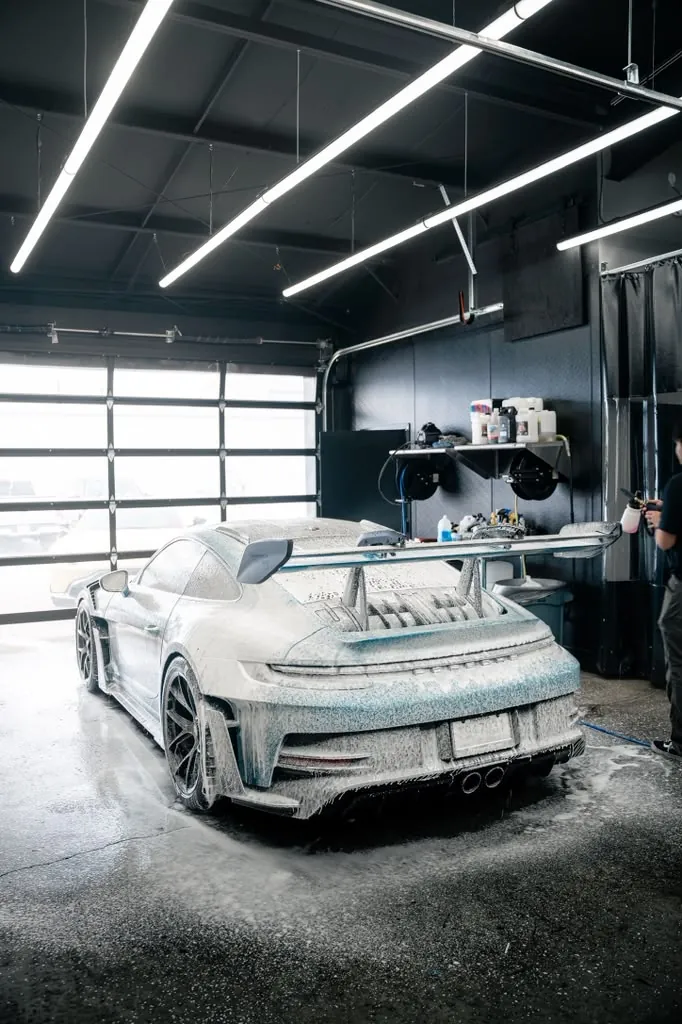
Wash film like paint - pH-neutral shampoo, soft mitts, sensible pressure-washer distance - and it will serve its decade. The special rules are few: don’t blast edges, avo…
The short answer: Wash film like paint - pH-neutral shampoo, soft mitts, sensible pressure-washer distance - and it will serve its decade. The special rules are few: don’t blast edges, avoid harsh solvents, and let the self-healing topcoat do its quiet work.
In this guide
The weekly washPressure washersStains and bugsThe annual checkThe first week: curing rules that decide the next decadeA Lowcountry seasonal routine: pollen, salt and storm seasonTwo-bucket or rinseless, pH-neutral, plush microfiber - the same routine as good paint care. Film doesn’t ask for special products; it asks for the absence of abuse. Wax and spray sealants are safe over quality film; most owners add a coating over the film and simplify further.
Keep the nozzle at least 12 inches from the surface and never aim directly at an edge at close range - edges are the film’s only vulnerability and they only lift under deliberate attack. Use sense and it’s a non-issue for the film’s whole life.
Bug strikes and tar should be washed off promptly (coastal summer rule for any car). Film resists staining far better than paint; a film-safe bug remover handles the stubborn ones. Tree sap: hand sanitiser on a microfiber, gently - or bring it by and we’ll show you.
Once a year, edges and high-impact zones deserve a look under good light. Our maintenance visits pair film inspection with a proper wash - most clients fold it into a coating top-up visit.
Fresh film needs a short, specific kindness. For the first 48 hours, do not wash the car at all - the adhesive is still settling and edges are still taking their final set. For the first week, avoid pressure washers entirely, skip automatic washes without exception, and do not pick at any edge or small moisture pocket you notice. Slight haziness or tiny water pockets under new film are normal in the first days; they evaporate as the film cures, and disturbing them is the only way to make them a problem.
Also skip waxing or coating the new film until its first check - if your package includes coating over the film, that timing is already built into the plan. If a bird strikes the car in week one, rinse the mess off gently with water rather than scrubbing; the film is tougher than the temptation suggests. Drive normally otherwise - the car does not need wrapping in cotton wool, and highway use does not disturb a proper install. Bring it back for its scheduled post-install inspection and we will check every edge under the lights with you watching.
Charleston’s calendar writes its own wash schedule. Spring pollen season coats cars in a yellow-green film of dust that turns abrasive the moment a dry mitt touches it - always rinse thoroughly first, or use a foam soak to lift it, before any contact wash. Pollen left to bake through spring also stains neglected surfaces, filmed or not, so weekly rinses in March and April earn their keep.
Summer adds salt air, beach sand and sudden storms. Rinse the car after beach weekends, shake sand out of mitts religiously, and clear bug strikes from the front end promptly - in summer heat they etch faster, though film resists them far better than paint does. Autumn is decontamination season in our studio: an annual iron and fallout treatment plus edge inspection sets the car up for winter. Winter itself is gentle here, but holiday highway miles are not, so check the front end after long I-26 runs and let the self-healing topcoat have a sunny afternoon to tidy the wash marks. Four small seasonal habits, none longer than an hour, are the entire difference between film that cruises to year ten and film that merely survives to it.
We advise against brush washes entirely - the mechanical swirling defeats a self-healing surface and the harsh detergents do the film no favours. Touchless washes are the lesser evil in an emergency, but hand washing with pH-neutral shampoo always looks better and ages slower. Most owners find the car easy to wash, especially with coating over the film.
Avoid solvent-heavy tar removers used carelessly, abrasive compounds and polishes, clay bars dragged dry, and any wax or dressing on satin stealth film. Petroleum-based products left soaking on edges are the classic mistake. If a product does not say it is safe for film or matte finishes, treat it as unsafe and ask us first.
On a warm day, light wash marks typically level within minutes to an hour in the sun. Cooler, overcast weather slows the process until the panel warms. Warm - never boiling - water poured over the area speeds it deliberately. If a mark survives a warm afternoon unchanged, it sits deeper than the topcoat and deserves an inspection.
Key takeaways
Wash like paint: pH-neutral, soft mitts, no abusePressure washer: 12"+ away, never at edgesBugs/tar prompt-off - film resists stains better than paintAnnual edge inspection keeps the decade on trackKeep reading
Getting it done locally: see Paint Protection Film in Charleston or Paint Protection Film in Mount Pleasant - same studio standard, priced for your exact car.
Send us the year, make and model - you’ll get an exact quote and the next studio slot.