Guide - Paint Protection Film
PPF stops physical damage - rock chips, scratches, scuffs. Ceramic coating stops chemical and UV damage and makes washing easy, but stops no stones. Front-end film plus f…
The short answer: PPF stops physical damage - rock chips, scratches, scuffs. Ceramic coating stops chemical and UV damage and makes washing easy, but stops no stones. Front-end film plus full-car coating is the combination most of our clients choose, because Charleston driving delivers both kinds of damage.
In this guide
What PPF does that coating can’tWhat coating does that PPF can’tThe cost pictureDeciding by how you driveHow the two layers go on, in orderMistakes we see when owners try to split the differenceFilm is a physical barrier about 8 thousandths of an inch thick. A stone that would chip paint dents the film; the self-healing topcoat erases light marks with warmth. On I-26 and the Ravenel Bridge, that barrier is the difference between a front end that ages gracefully and one that looks sandblasted in three years.
Coating delivers the gloss, the UV resistance, the chemical resistance and the 20-minute wash. Film alone doesn’t make a car dramatically easier to clean or protect the panels it doesn’t cover. Coating also goes over film beautifully - deepening its look and adding the easy-wash behavior to the filmed panels too.
Film the front (partial from $1,399, full front $1,999) and coat everything (from $1,299) totals less than most people expect - and less than one quality front-end respray plus years of detailing. Full-body film ($5,999+) is for keepers and exotics.
Highway commuter: film the front, coat the rest. Garaged weekend car: coating alone may serve. New EV or keeper: full front film + flagship coating is the standard answer. We’ll assess your car and routes and recommend - including when the honest answer is "you need neither yet."
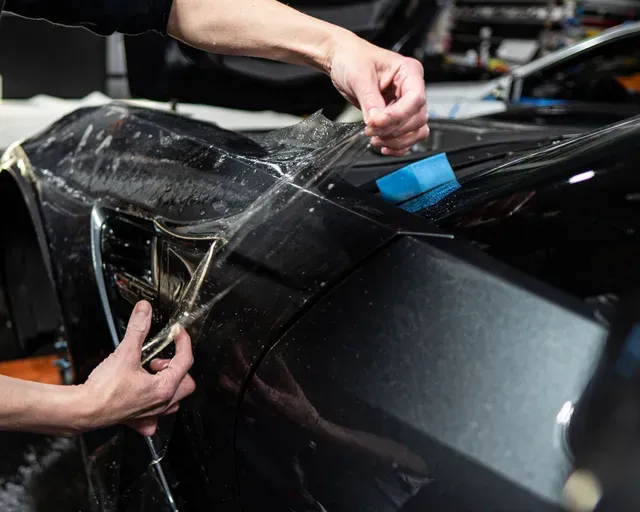
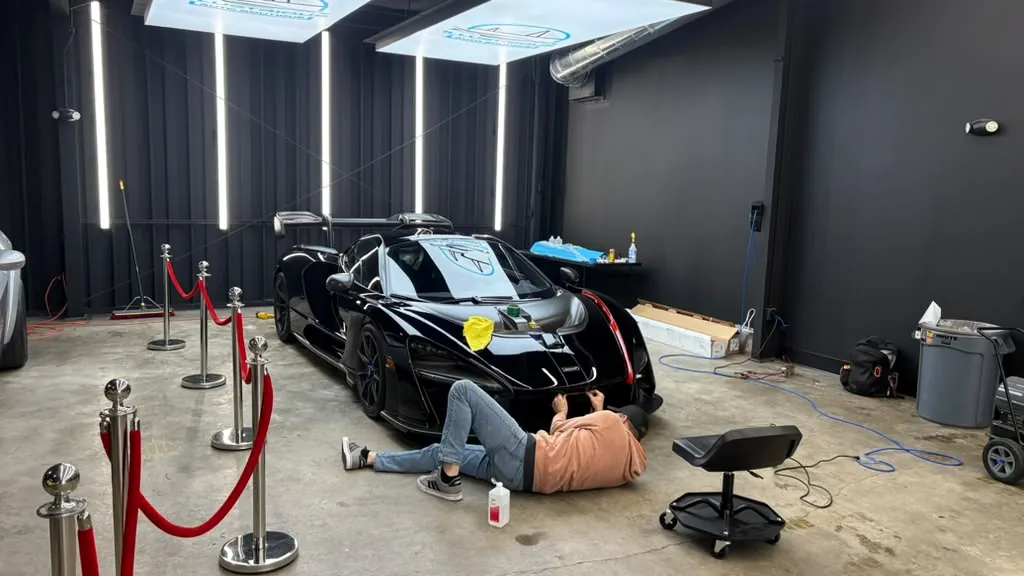
When a car gets both, the sequence matters and it is never reversed. Day one is washing, clay decontamination and machine correction, because anything left on the paint gets sealed under whichever layer touches it first. The film goes on next, panel by panel from computer-cut patterns, with edges wrapped and the install checked under correction lighting. The film then needs its initial set time before anything is applied over it.
Only after the film has settled do we coat - and the coating goes over the filmed panels and the bare painted panels in the same session, so the whole car sheds water and washes the same way. XPEL Fusion Plus is formulated to bond to film as well as paint, it is registered to your VIN and reported to CARFAX, and it does not interfere with the film’s self-healing topcoat underneath. A full-front film plus full-car coating job typically keeps the car with us three to four days in total. Rushing that order - coating first, film second - is the one sequencing error we will not make, because film adhesive is designed for paint and cured film, not for a slick coated surface.
The most common false economy is coating the whole car first and planning to add film later. The coating then has to be polished off the front panels before film can bond, so you pay for that coating twice. The second mistake is choosing by panel price alone: a coated-only front end still chips on I-26, and owners who discover that after a season of commuting end up correcting and filming anyway, with the early chips already in the paint.
A third mistake is treating the two products as substitutes when choosing coverage. Film belongs where impacts land - bumper, hood, fenders, mirrors, rockers. Coating belongs everywhere, including over the film, because UV, salt air and pollen do not respect panel boundaries. If budget forces a choice, protect the strike zone with film first and add coating at a later visit; the film is the layer that cannot be retrofitted once a stone has done its work. Finally, skip waxes and sealants in the weeks before your appointment. Anything waxy left on the paint has to be stripped during prep, and heavy silicone dressings on trim only slow the decontamination stage down.
Yes. XPEL Fusion Plus is made to bond to XPEL Ultimate Plus film, and the self-healing topcoat continues to re-flow with warmth underneath it. The coating adds slickness, UV resistance and easier washing to the filmed panels, so a combined car cleans evenly instead of washing like two different cars.
For most Charleston drivers, film the front first. Chips are permanent the moment they happen, while coating can be added months later over clean paint with no penalty. The exception is a garaged, low-mileage car that rarely sees I-26 or I-526 - for that car, coating alone is a sensible first step.
Slightly, and in a good way. Coating deepens the film’s gloss and evens its sheen with the coated bare paint beside it, which helps a partial or full-front install blend visually. On satin stealth film we use matte-safe care instead, because gloss products would add unwanted shine to the finish.
Key takeaways
PPF = physical protection (chips, scratches, scuffs)Coating = chemical/UV protection + gloss + easy washingMost clients: full-front film + full-car coatingDecide by mileage and routes, not by hypeKeep reading
Getting it done locally: see Paint Protection Film in Charleston or Paint Protection Film in Mount Pleasant - same studio standard, priced for your exact car.
Send us the year, make and model - you’ll get an exact quote and the next studio slot.