Guide - Paint Protection Film
Charleston’s road network funnels everyone onto I-26, I-526 and two big bridges - high speeds, truck traffic and crosswind-blown grit. The result is the most predictable …
The short answer: Charleston’s road network funnels everyone onto I-26, I-526 and two big bridges - high speeds, truck traffic and crosswind-blown grit. The result is the most predictable damage pattern we see: peppered bumpers, hoods and mirrors. Film ends it; nothing else does.
In this guide
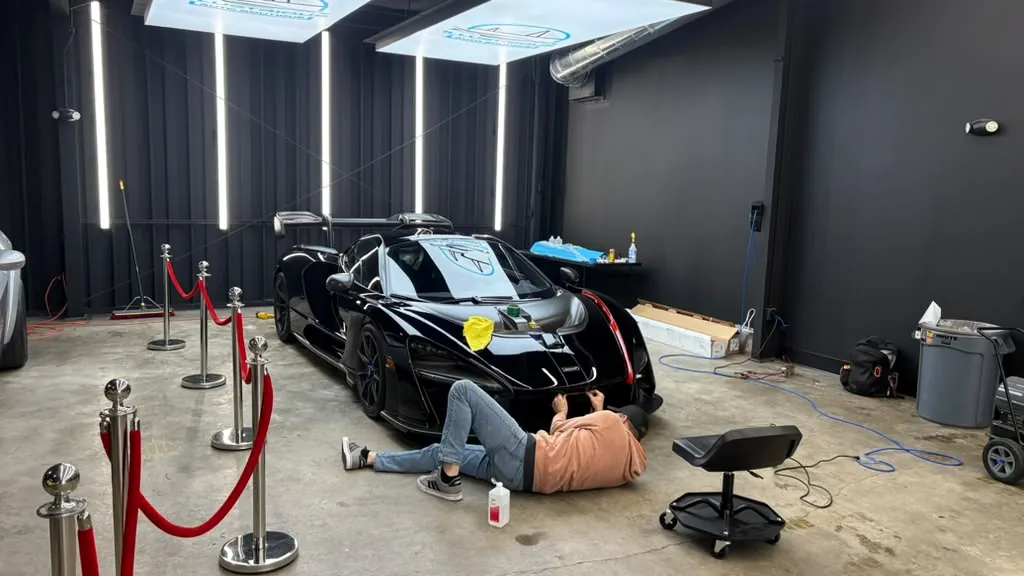
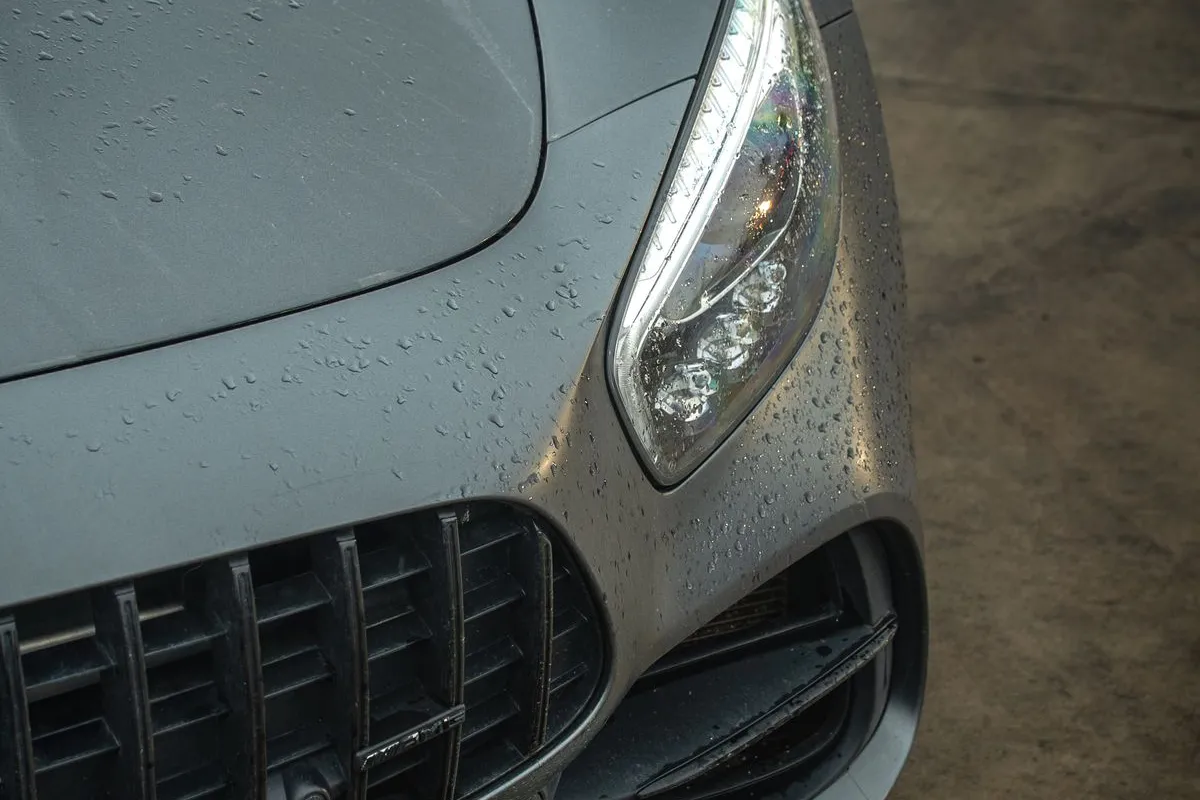
The local patternWhy bridges are worseWhat actually worksThe "already chipped" carDriving habits that genuinely reduce chip damageRoute by route: where Charleston front ends actually sufferRead any unprotected three-year-old commuter car in our lighting bay and the story is identical: dense chipping on the bumper and leading hood edge, mirrors sandblasted, headlights hazed by impacts. It’s not bad luck - it’s the commute, accumulating a few stones a week.
The Ravenel and Don Holt bridges add crosswinds that carry grit sideways across lanes - striking panels (A-pillars, mirrors, front quarters) that flat highways spare. Add construction zones on I-26’s endless widening and the exposure multiplies.
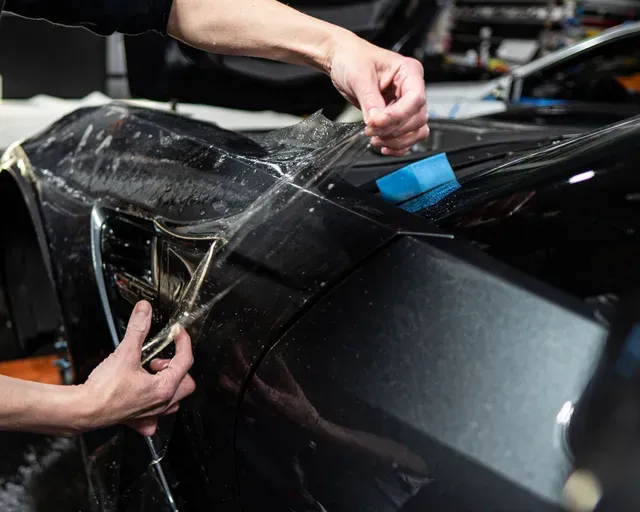
Film is the only physical answer. Ceramic coating, for all its virtues, stops zero stones. A full-front film package ($1,999) covers the complete strike zone with self-healing film; partial fronts ($1,399) cover the worst of it. Mud flaps help trucks modestly; following distance helps everyone a little; film solves it.
Film goes over corrected paint - we touch up and correct the front first so existing chips are minimized, then film stops the count where it stands. The best day was delivery day; the second-best is before the next thousand highway miles.
Film is the complete answer, but habits still change how much work it has to do - and they are the only answer available for the panels you have not filmed. Following distance is the big one. Debris thrown by a vehicle ahead follows a short arc; doubling your gap on I-26 lets most of it fall back to the road before it reaches your bumper. Give extra room to dump trucks, landscaping trailers and gravel haulers.
Lane choice helps more than drivers expect. The right lane near on-ramps and construction crossovers collects the grit that traffic sweeps aside, while freshly swept center lanes run cleaner - though the lane behind a truck is always the worst address on the road. Pass decisively rather than cruising alongside a truck’s rear wheels, which throw a constant sideways spray. After roadworks or a storm has scattered debris, slow down through the affected stretch; impact energy rises steeply with speed, and a stone at 55 mph marks film where the same stone at 75 mph can cut it. None of this replaces film - it simply means the film you buy spends its decade on fewer, softer hits.
I-26 between Summerville and downtown is the champion, combining the region’s heaviest truck traffic with years of widening works, temporary surfaces and crossover lanes where loose aggregate gathers. Daily commuters on this stretch show the densest bumper and hood peppering we inspect, full stop. I-526 adds port and industrial truck traffic around North Charleston and the Wando, with debris concentrated near the interchanges and the bridges’ approaches.
The bridges themselves deserve their reputation. On the Ravenel and the Don Holt, crosswinds push grit sideways, which is why bridge regulars show chipping on A-pillars, mirror backs and front quarters that flat-road drivers escape - and why we steer bridge commuters towards full-front coverage rather than partial. Highway 17 south towards Ravenel and the beaches runs cleaner in winter but carries sand, shell grit and holiday traffic in summer, and the Mark Clark corridor mixes both patterns. If your commute combines I-26 with a daily bridge crossing, you are driving the exact route profile this studio films most: full front at $1,999, rockers if your quarters are already speckling, and an end to watching the chip count climb every single month.
Wait until the car is clean, in good light - chips hide under road film. Look along the bumper and hood at a low angle, and run fingertips over the area: fingers find what eyes miss. On a filmed car, a mark in the film with smooth paint beneath is the system working. Photograph anything deep and bring it by.
Mud flaps help the car behind you and modestly protect your own rockers, but they do nothing for the bumper, hood and mirrors that take most strikes. Old-style bras trap grit against paint and chafe it, often causing the damage they promise to prevent. Neither substitutes for a physical film barrier in the strike zone.
Yes - whenever the roads are being worked on, or recovering from it. I-26 construction phases, resurfacing projects and the weeks after storms all spike the chip rate, and summer holiday traffic multiplies the debris-throwing vehicles. No safe season justifies waiting: the count on an unprotected front end only ever moves one way.
Key takeaways
The pattern is predictable: bumper, hood edge, mirrors, lightsBridge crosswinds widen the strike zone to pillars and quartersOnly film stops stones - coating stops noneAlready chipped? Correct first, then stop the countKeep reading
Getting it done locally: see Paint Protection Film in Charleston or Paint Protection Film in Mount Pleasant - same studio standard, priced for your exact car.
Send us the year, make and model - you’ll get an exact quote and the next studio slot.