Guide - Paint Correction
Water spots are mineral deposits (and etching) from our hard coastal water; oxidation is UV dulling the clear coat. Both are correctable in most cases - and both are larg…
The short answer: Water spots are mineral deposits (and etching) from our hard coastal water; oxidation is UV dulling the clear coat. Both are correctable in most cases - and both are largely preventable with a coating and a drying towel.
In this guide
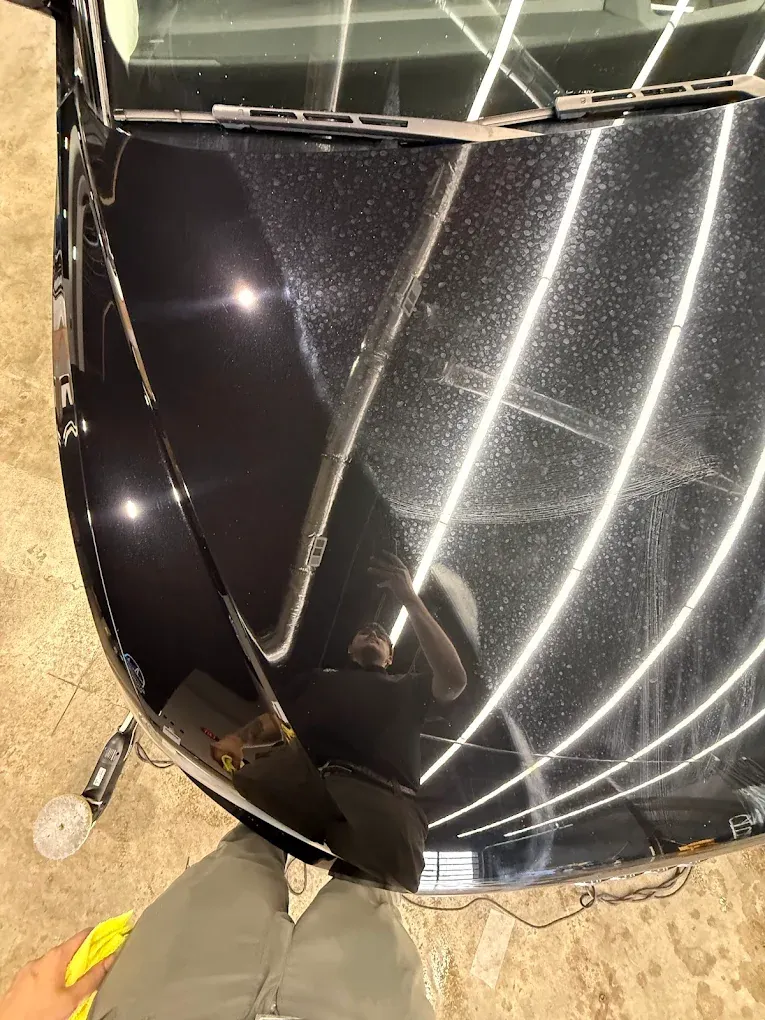
Water spots, two kindsOxidation’s slow fadeWhy here, so muchPrevention protocolSprinkler, well-water and parking traps around Charleston homesSaving oxidized paint before it crosses into failureType 1 sits on the surface - mineral residue that a proper wash or spot remover lifts. Type 2 has etched into the clear coat - the minerals used the sun as an oven. Etched spots need polishing. Sprinklers are the #1 local source; parked-car irrigation has "corrected" many of our customers’ weekends.
UV breaks down clear coat polymers; the surface turns hazy, then chalky on neglected cars. Early oxidation polishes away beautifully. Advanced cases - cracking, peeling - are paint failure, beyond correction’s reach. The earlier the intervention, the better the save.
Mineral-heavy water + intense sun + cars that live outdoors = the Lowcountry spots-and-fade belt. Boats have the same problems for the same reasons. It’s climate, not carelessness.
Dry after washing (never air-dry in sun), rinse sprinkler hits promptly, park out of irrigation arcs, and coat the paint: a coating takes the etching bullet and makes spots a wash-level event instead of a polishing one.
The most common water-spot story we hear starts with a driveway and an irrigation timer. Many Lowcountry homes run sprinklers on well or mineral-heavy water in the early morning, and a car parked in the arc gets sprayed, then baked dry by sunrise - the perfect recipe for etching. The same pattern happens with garden hoses used for a quick rinse with no drying, and under oak trees where mineral-laden drips concentrate on the hood and roof. One hit is a wash-level problem; a summer of daily hits becomes a polishing problem.
Walk your own parking spot with this in mind. Is one side of the car in a sprinkler arc? Does water pool and dry on the roof after rain because the car sits nose-down? Simple changes - moving the car a few feet, adjusting a sprinkler head, drying the car after a rinse - prevent most repeat damage. If spots do appear, rinse and dry them the same day where you can. Fresh deposits sit on the surface; it is heat and time that drive them into the clear coat.
Oxidation gives you warning signs in order. First the color loses depth and reflections turn slightly hazy, especially on horizontal panels - hoods, roofs and boot lids take the most UV in South Carolina. Next, the surface feels dry or chalky to a clean fingertip and water stops beading altogether. At these stages correction works beautifully: polishing removes the dead, oxidized top layer and exposes fresh clear coat beneath, and owners are often stunned by the color that comes back.
The final stage is different: cracking, crazing or peeling means the clear coat is breaking down structurally, and no polishing restores it - that is repaint territory. The lesson is timing. A car showing early haze today is a one- or two-step correction; the same car ignored for two more summers outdoors may not be. After correction, protection is what stops the clock: XPEL Fusion Plus coating takes the UV and mineral exposure in the paint’s place, and even a simple habit of parking in shade or under cover slows oxidation dramatically between washes.
Vinegar can dissolve fresh mineral deposits, which is why it sometimes works. Once spots have etched into the clear coat, no household acid removes them - the damage is a shallow crater in the paint needing machine polishing to level. Repeated acid use just risks dulling the surrounding finish. Bring the car in and we will test a spot.
Horizontal panels collect standing water and receive the most direct sun, so minerals concentrate and bake in faster than on vertical doors, where water runs off. The hood gets engine heat from below, speeding drying and etching further. It is why oxidation starts on these panels first. They are the panels we inspect first at every North Charleston assessment.
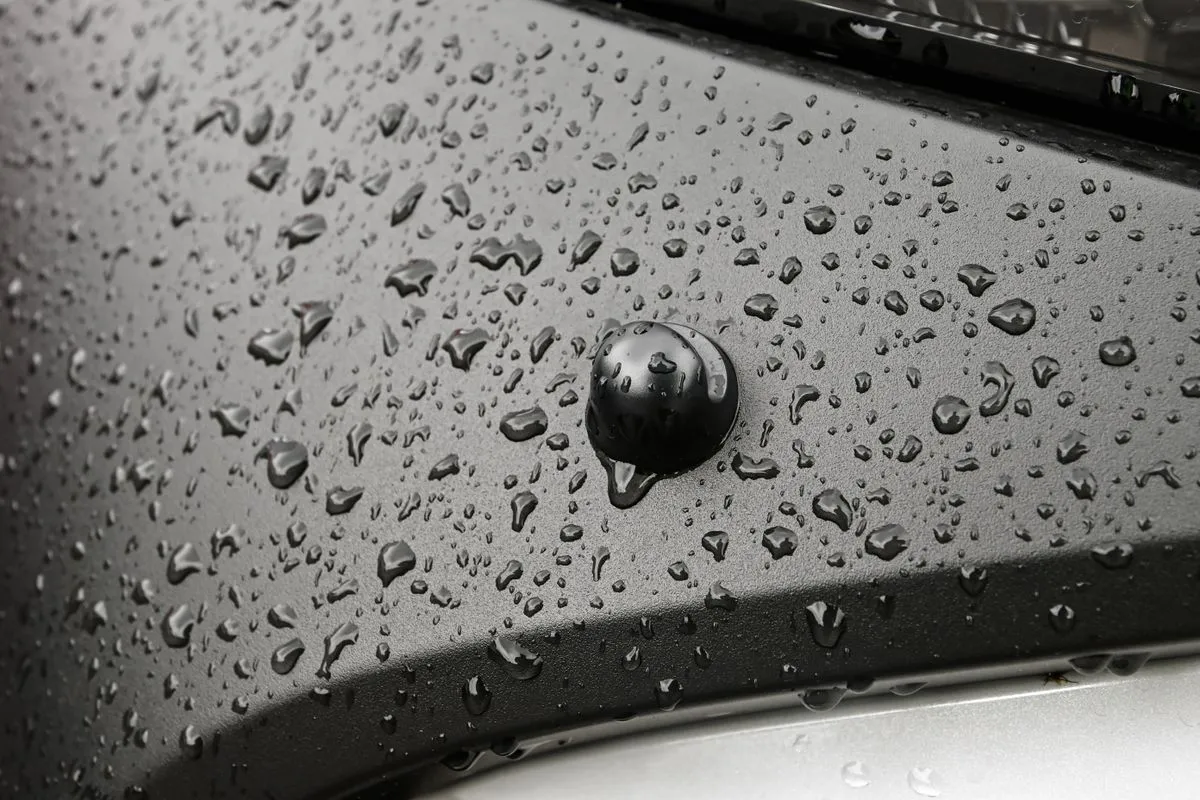
A coating does not stop minerals landing on the car, but it changes what follows. On coated paint, water sheets and runs off readily, deposits sit on the coating rather than the clear coat, and spots usually wash away instead of etching through. With XPEL Fusion Plus, the sacrificial layer takes damage - the point of protecting corrected Lowcountry paint.
Key takeaways
Spots: surface minerals (washable) vs etched (polish)Oxidation: UV haze - early = correctable, late = failureLocal formula: hard water + sun + outdoor parkingPrevention: dry the car, dodge sprinklers, coat the paintKeep reading
Getting it done locally: see Paint Correction in Charleston or Paint Correction in Mount Pleasant - same studio standard, priced for your exact car.
Send us the year, make and model - you’ll get an exact quote and the next studio slot.