Guide - Paint Correction
Black is the examination every corrector passes or fails publicly: it hides nothing. Done right - staged cutting, careful refining, jeweling finish - black becomes the de…
The short answer: Black is the examination every corrector passes or fails publicly: it hides nothing. Done right - staged cutting, careful refining, jeweling finish - black becomes the deepest color on the road. Done carelessly, holograms announce it.
In this guide
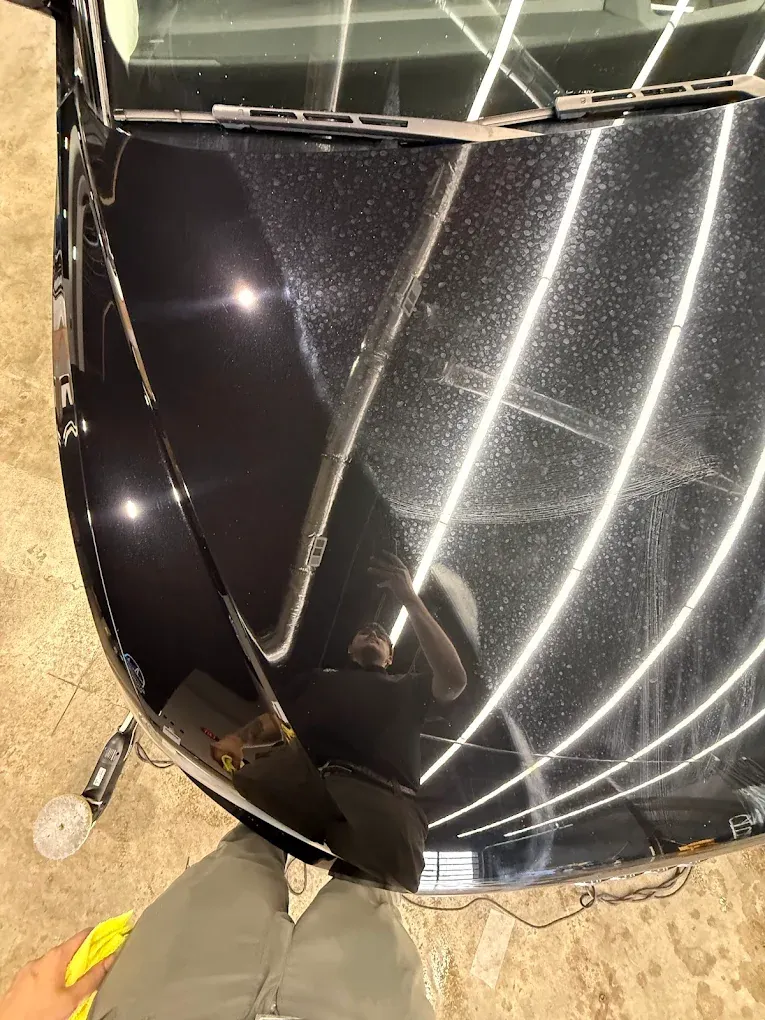
Why black is brutalThe approachThe wash afterwardsSet expectations honestlyBlack paints are not all the same paintLiving with black paint through a Lowcountry summerContrast. A swirl is a light-scattering scratch; on white it whispers, on black it shouts. Black also shows buffer holograms - the corrector’s own tool marks - which softer colors forgive. There is no hiding place, which is why black cars are our favorite portfolio pieces.
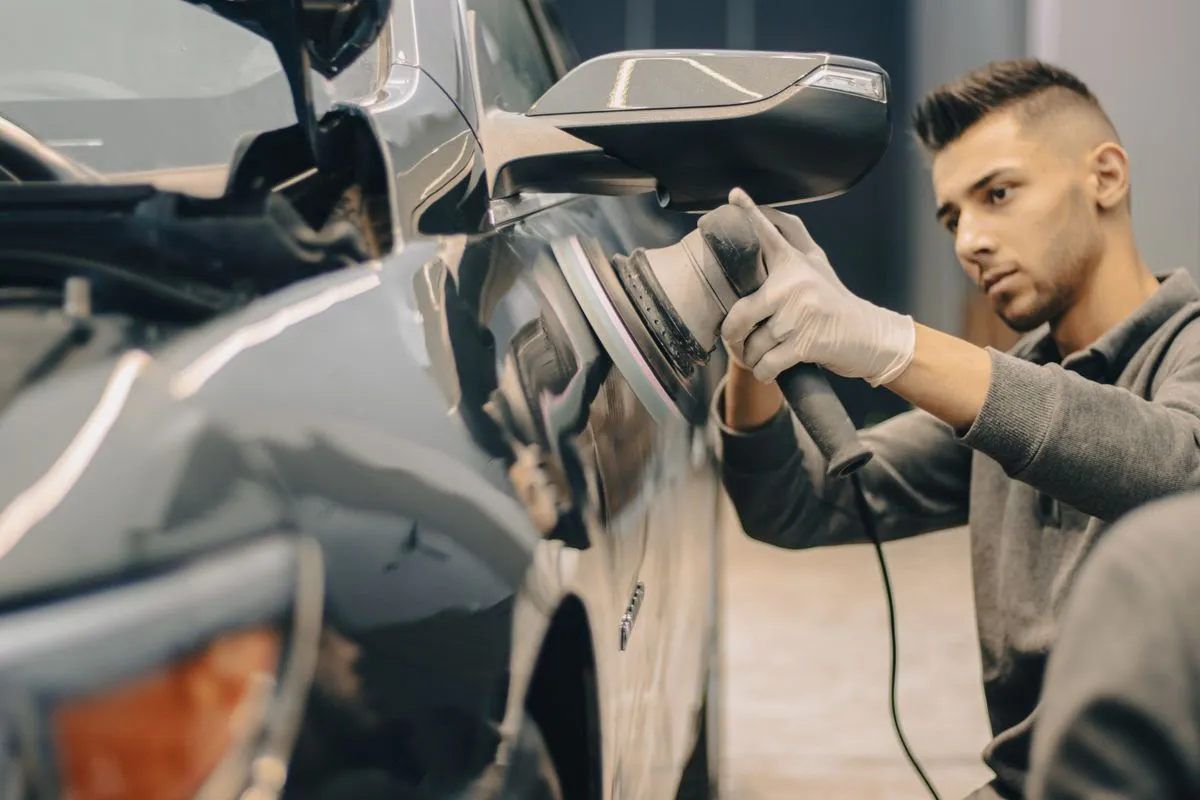
Test panel first, always: black paints vary enormously. Then the least aggressive cut that clears the defects, a refining stage to erase the cut’s haze, and often a jeweling pass - ultra-fine polish at low speed - for that final depth. Rushed black work shows; patience is the technique.
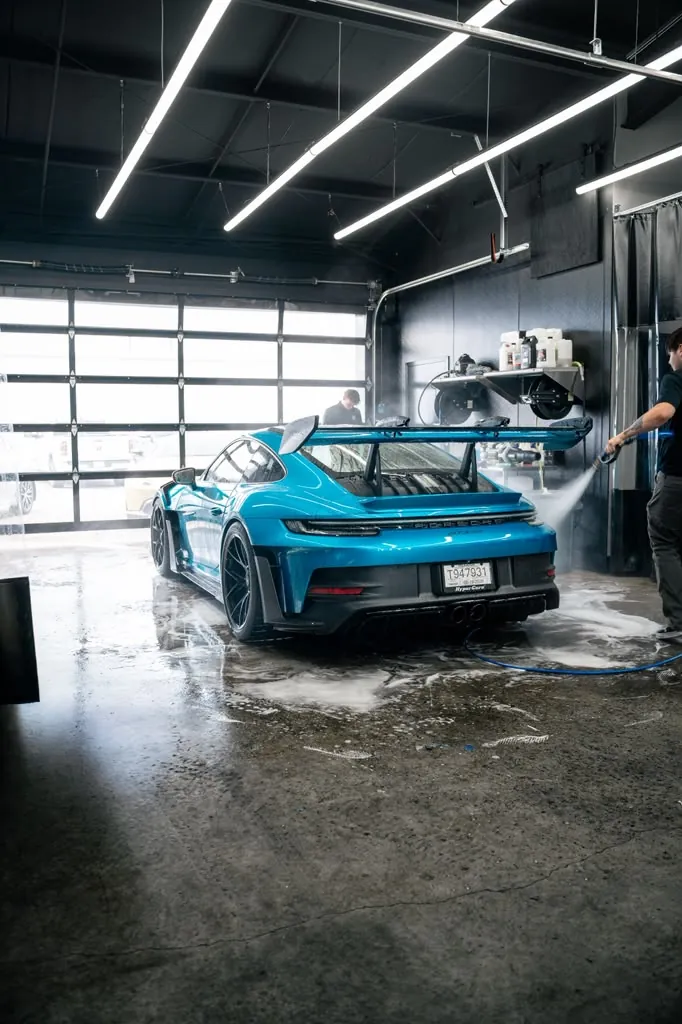
Black’s afterlife is decided at the wash: two buckets, plush mitts, gentle drying. Most black clients coat the car at the same visit - the coating slows the swirl return dramatically and makes the safe wash easier.
A daily-driven black car will collect light marks over time no matter what - the goal is 90%+ correction and a routine that holds it. Show black can chase more. We’ll tell you which target suits your car’s life.
Owners assume black is black, but correctors know better. Some manufacturers’ solid black is famously soft - it corrects quickly but mars if you so much as wipe it with a dry towel, and it shows the machine’s own haze unless the refining stage is patient and the pads are scrupulously clean. Other blacks, including many metallic and pearl blacks, sit on much harder clear that resists cutting and needs more passes to level the same swirls. Tinted clear coats add another variable, changing how defects read under the lights.
This is why the test panel matters more on black than on any other color. We establish which black we are dealing with on one section - how it cuts, how it finishes, which pad and polish combination leaves it clean - before touching the rest of the car. The plan for a soft solid black and a hard metallic black can differ by a full stage. Guessing, or using one fixed recipe for every black car, is how holograms and buffer trails get installed by the person paid to remove them.
Charleston summers test black paint harder than any other color. The surface runs hotter in direct sun, so water spots bake in faster, pollen shows within hours of a wash, and salt air leaves a visible film overnight near the coast. None of this means avoiding black - it means running a routine matched to it. Wash in the early morning or evening shade, never in midday sun, rinse thoroughly before any mitt touches the panel, and dry promptly with a plush towel and light pressure in straight lines.
Park smart where you can: out of sprinkler arcs, away from oak drip lines, and in shade that does not come with sap. Between washes, resist the dusty wipe-down completely - on black, a dry wipe is a swirl-writing exercise. This is why most of our black-car clients choose XPEL Fusion Plus coating at the correction visit: the slick, hard surface sheds Lowcountry grime more easily, slows the return of wash marks, and makes the safe wash quicker. The color still demands respect, but the workload drops noticeably.
That haze is micro-marring or holograms left by polishing - a cutting stage that was never refined, or dirty pads. On black it is unmistakable under sun or forecourt lights. The fix is a refining stage with fine polish and clean pads, verified under correction lighting. It is standard in our process, and the test panel shows the standard first.
No - the clear coat over black is the same 30–50 micron layer as any other color. Black reveals defects that lighter colors hide, and some black finishes use softer clear that marks more easily. The paint is not fragile; your eyes are getting an honest report. Correction levels it the same way - only the checking is more careful.
They solve problems. XPEL Ultimate Plus PPF, 10-year warranty, shields against chips and scratches where fitted. XPEL Fusion Plus coating covers the car, adds chemical and UV resistance and makes washing easier. Many black-car owners do both: film on the front, coating over the rest. We walk through options at 3555 Meeting Street Rd, Ste B after your test panel.
Key takeaways
Black = maximum contrast: every defect and hologram showsCut → refine → jeweling pass is the black sequenceAftercare decides longevity: safe wash or coat itDaily black: target 90%+ and hold it with routineKeep reading
Getting it done locally: see Paint Correction in Charleston or Paint Correction in Mount Pleasant - same studio standard, priced for your exact car.
Send us the year, make and model - you’ll get an exact quote and the next studio slot.