Guide - Ceramic Coating
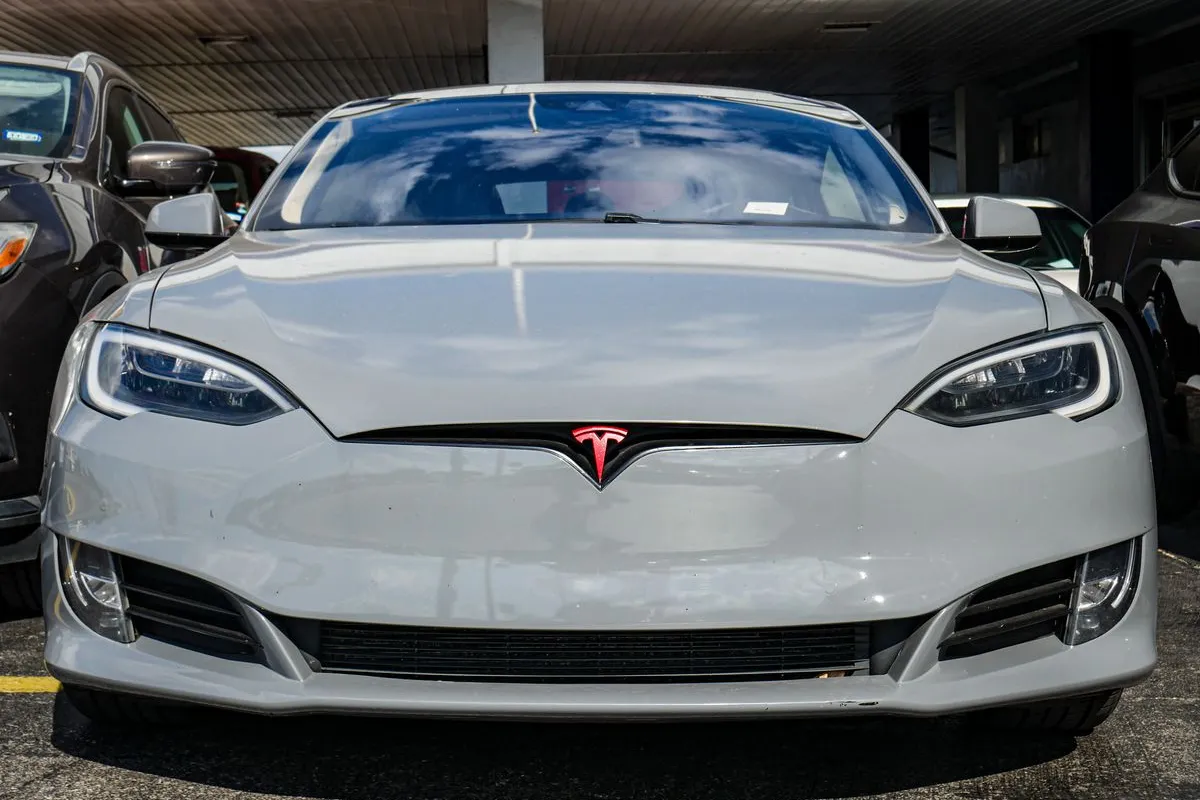
EV paint - Tesla’s especially - is soft and often delivered with swirls, and EVs live outdoors at chargers more than garaged cars do. Correction + coating in the first mo…
The short answer: EV paint - Tesla’s especially - is soft and often delivered with swirls, and EVs live outdoors at chargers more than garaged cars do. Correction + coating in the first month is the standard prescription from Charleston’s Tesla owners.
In this guide
Soft paint, honest talkDelivery day realityThe glass roof factorCharging life = outdoor lifeDetail-Level Notes: Frunk, Handles, Cameras and Charge PortColor and Roof Choices That Change the EV PlanTesla’s paint is known in the trade for being soft and thin: it swirls easily, chips readily, and shows every delivery-prep mistake. That’s not a criticism of the cars - it’s a specification the protection plan should respect: gentler correction, then a hard coating over it, and film on the front.
New Teslas arrive with transport film residue, rail dust and frequently buffer trails from delivery centers. An inspection under correction lighting on day one documents everything - while a conversation with the delivery center is still possible.
EV glass roofs and panoramic glass collect water spots and heat. Coating the paint plus treating the glass (and ceramic tint for the heat) is the full Lowcountry EV package - see our Tesla Studio page for the bundle.
Home charging often means driveway parking; road trips mean Supercharger lots. EVs simply live outside more. A coating’s UV and chemical barrier earns its keep faster on an EV than on a garaged weekend car.
EVs reward an installer who slows down around the details. The frunk lid is a large, low, flat panel that collects water spots and shows swirls at charger stops, so it deserves the same correction attention as the hood it replaces. Flush door handles and the trim around them collect grit and sunscreen marks; they are cleaned and coated carefully by hand rather than polished aggressively, because the surrounding paint is exactly where soft EV clear coat shows wear first.
Cameras and sensor areas are worked around, not coated over - lenses and sensor faces are masked or avoided during application, and panel wipe is kept clear of them, so driver-assistance hardware is left exactly as the manufacturer intended. Around the charge port, the lesson is for owners: keep wash water and products from being forced into the port area, wash with the port closed, and dry the recess afterwards, because mineral water sitting in that recess is the EV equivalent of a door-shut streak. None of this is exotic. It is the difference between a coating job done on an EV and a coating job done near one.
Not every EV arriving in Charleston needs the identical package, because color and roof change the priorities. White and silver hide swirls and water spots comparatively well, so a one-step enhancement and the 4-year tier from $1,299 is a sensible, honest specification for many owners. Black and deep red show everything this climate deposits, and those cars justify the deeper correction and the 8-year flagship from $1,999 far more often - the unforgiving colors are where the longer warranty earns its premium.
The glass roof deserves its own line in the plan. It is a huge horizontal surface collecting Lowcountry sun, pollen and water spots directly over the cabin. Treating the glass helps it shed water and release contamination, while XPEL ceramic window tint, with its lifetime warranty, addresses the heat pouring through the side glass - together they change how the car feels at a Supercharger stop in August. Tell us the color, the roof and where the car charges overnight, and the package assembles itself from those three answers rather than from a sales script.
No, when it is applied properly. Coating goes on painted panels, and cameras, lenses and sensor faces are masked or avoided during preparation and application - nothing is layered over the hardware the car sees and senses with. It is one reason EV experience matters when choosing an installer, and a fair question to ask any studio.
They solve different problems, and Teslas argue strongly for both. The low, grille-less front end chips faster than almost anything we see, which is film’s job. The soft paint swirls and fades, which is coating’s job. If budget forces an order, film the front first, then coat - and many owners book both together.
Yes: make the rinse routine part of charging life. A weekly rinse in pollen season, prompt drying after sprinkler exposure, and a silica top-up every 6–12 months keep an outdoor EV’s coating behaving. Outdoor cars work their protection hardest, so they also gain the most from the included first maintenance wash and inspection.
Key takeaways
Tesla paint is soft and thin - correct gently, coat earlyInspect at delivery under proper light - document everythingGlass roof + tint completes the EV packageOutdoor charging life makes the UV barrier pay fasterKeep reading
Getting it done locally: see Ceramic Coating in Charleston or Ceramic Coating in Mount Pleasant - same studio standard, priced for your exact car.
Send us the year, make and model - you’ll get an exact quote and the next studio slot.