
Guide - Ceramic Coating
Wax lasts weeks and costs little per application; coating bonds for years and costs more once. If you enjoy waxing monthly, wax is fine. If you want protection that survi…
The short answer: Wax lasts weeks and costs little per application; coating bonds for years and costs more once. If you enjoy waxing monthly, wax is fine. If you want protection that survives a Charleston summer without a routine, coating wins on durability, UV resistance and cost-per-year.
In this guide
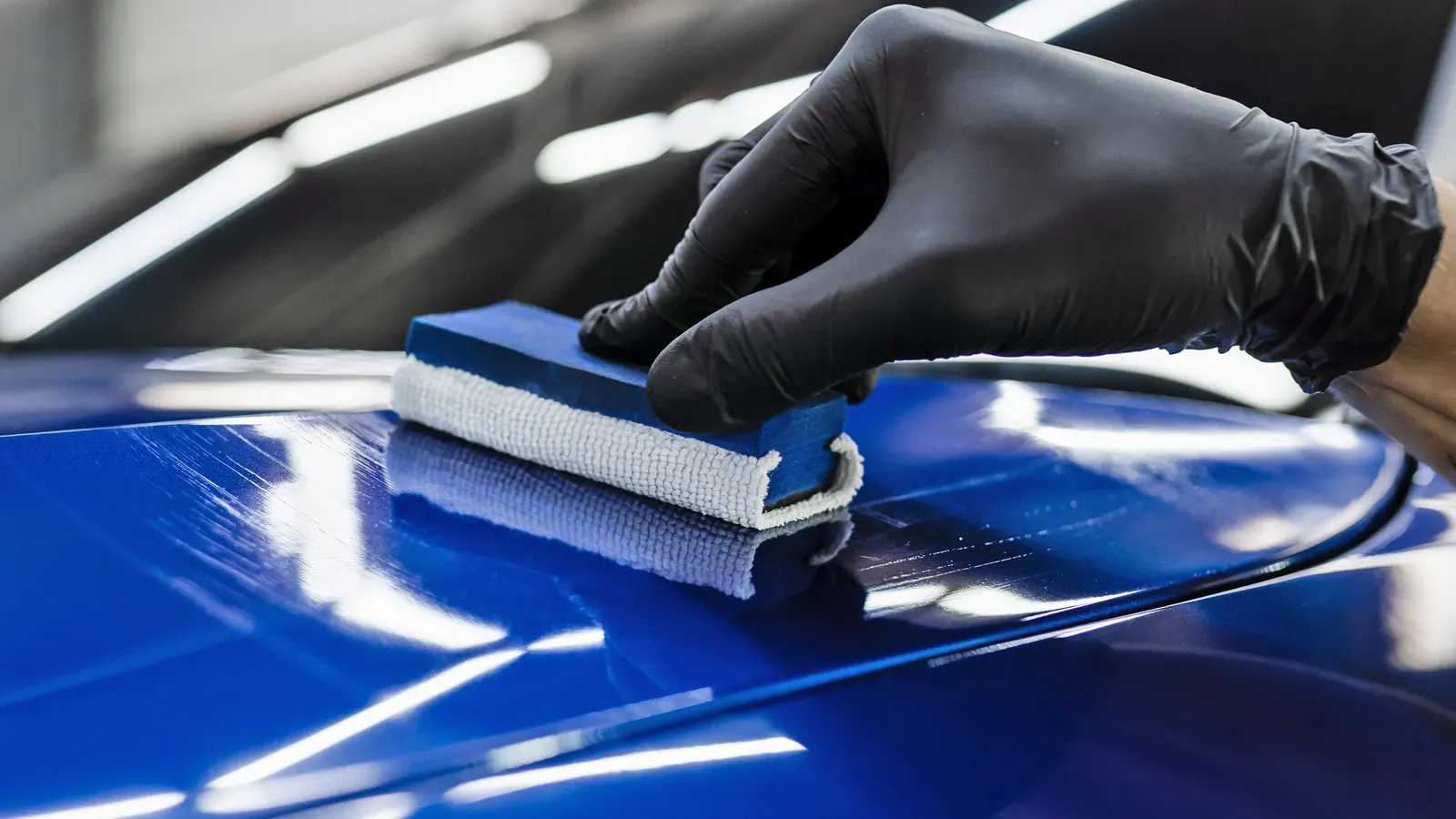
How each one protectsThe cost mathWhat neither can doThe Lowcountry verdictSpray Sealants and Hybrid Products: Where They FitA Simple Decision Test Based on How You ParkWax sits on top of the paint as a soft, sacrificial layer - carnauba or synthetic - and gives warmth and gloss until heat and washing strip it, typically in 4–8 weeks here. A ceramic coating chemically bonds to the clear coat and hardens, resisting UV, chemicals and heat for years. The difference is chemistry, not marketing.
A quality wax routine at a detailer runs a few hundred dollars a year, every year. A coating at $1,299–$1,999 with a 4–8 year life works out cheaper per protected year - before counting the paint damage unprotected years allow. DIY wax is cheaper still, if your weekends are genuinely free.
Neither stops rock chips or scratches. Wax adds essentially no physical protection; coating adds swirl resistance only. Physical damage needs paint protection film. Any comparison that skips this point is a sales pitch.
Heat is wax’s enemy - a black car parked in Charleston sun cooks wax off in weeks. Coating was essentially designed for this climate. Wax still makes sense for garaged show cars that are driven rarely and detailed as a hobby.
The shelf between wax and coating confuses almost everyone, because the word “ceramic” now appears on $20 spray bottles. Those sprays contain a small amount of silica and behave like a longer-lived wax: they sit on the surface, add slickness for a few weeks or months, and wash away gradually. They are not bonded coatings, they carry no multi-year written warranty, and they need no correction or controlled-bay application - which is exactly why they cost $20.
Used honestly, they have a place. A silica spray is the correct top-up over a professional coating every 6–12 months, refreshing beading and slickness. Used over bare paint, it is a reasonable short-term sealant for a car you plan to sell soon. The mistake is expecting spray behavior at spray prices to equal a bonded layer. If a product wipes on in your driveway in twenty minutes and needs no cure time, judge it as a sealant, however the label describes it, and compare its cost per month rather than its headline promise.
Forget product names for a moment and answer three questions about the car itself. Where does it sleep? A garaged car avoids the overnight salt-air settling and morning dew cycle that works on Lowcountry paint, so wax survives longer on it. A driveway or carport car gets the full coastal routine, and wax gives up within weeks. How often is it driven? Daily driving adds heat cycles, road film and washes, all of which strip wax faster.
Finally, who washes it, and how honestly? If hand washing every week and waxing every month sounds like a pleasure, wax remains a legitimate hobbyist choice. If the realistic answer is a wash when the car looks dirty, a coating is the only protection still working between those washes. Most Charleston daily drivers parked outdoors fail all three wax questions at once, which is why we recommend coating for them without hesitation - and why we still happily point the garaged weekend car, washed by an owner who enjoys it, toward wax. That honesty about your own routine is worth more than any product comparison chart we could draw.
Yes, and it happens often. Before coating, the old wax is fully stripped during the foam wash and decontamination stages, then the paint is corrected and panel-wiped so the coating bonds to bare clear coat. Nothing about previous waxing harms the process - it simply has to be completely removed first.
Fresh carnauba can look slightly warmer for a few days, particularly on dark colors, because it adds its own soft layer over the paint. A coating takes its gloss from the corrected paint underneath, so the finish looks sharper and stays that way for years rather than fading with the wax.
As a short-term sealant or as a top-up over a professional coating, yes. As a substitute for a bonded coating, no. Expect weeks to a few months of beading, no written multi-year warranty, and no correction included. Judge them on cost per month of behavior, not on the word ceramic.
Key takeaways
Wax: weeks of protection, low cost per application, high effort per yearCoating: years of bonded protection, higher one-time cost, lower cost per yearNeither stops chips - that’s paint protection filmIn SC heat, coating is the rational default for daily driversKeep reading
Getting it done locally: see Ceramic Coating in Charleston or Ceramic Coating in Mount Pleasant - same studio standard, priced for your exact car.
Send us the year, make and model - you’ll get an exact quote and the next studio slot.