Guide - Ceramic Coating
Maintain a coating with pH-neutral washes, a plush drying towel, and a silica spray every 6–12 months. Avoid brush car washes, harsh chemicals and wax. That’s the entire …
The short answer: Maintain a coating with pH-neutral washes, a plush drying towel, and a silica spray every 6–12 months. Avoid brush car washes, harsh chemicals and wax. That’s the entire routine - fifteen minutes of care buying years of behavior.
In this guide
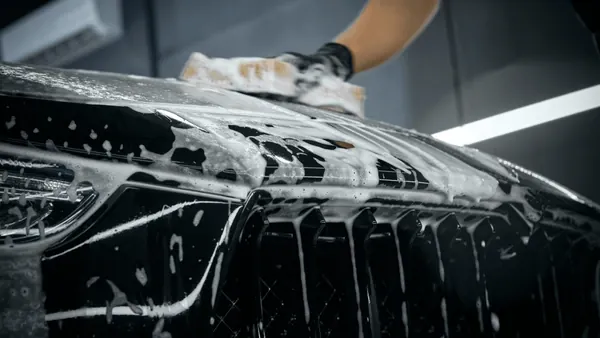
The wash itselfWhat to never doThe top-upWater spots: the local enemyThe Wash, Step by Step in the Right OrderA Seasonal Calendar for Lowcountry Coated CarsTwo buckets with grit guards (or a careful rinseless wash), pH-neutral shampoo, a soft mitt, and drying with a plush towel rather than air-drying - air-drying is how Lowcountry water spots happen. Nothing on this list is exotic or expensive; it’s technique, not products.
Automatic brush washes are the number-one coating killer - one pass can swirl through the behavior layer. Harsh alkaline degreasers and acid wheel cleaners used carelessly are next. And never wax over a coating: wax dulls the very slickness you paid for.
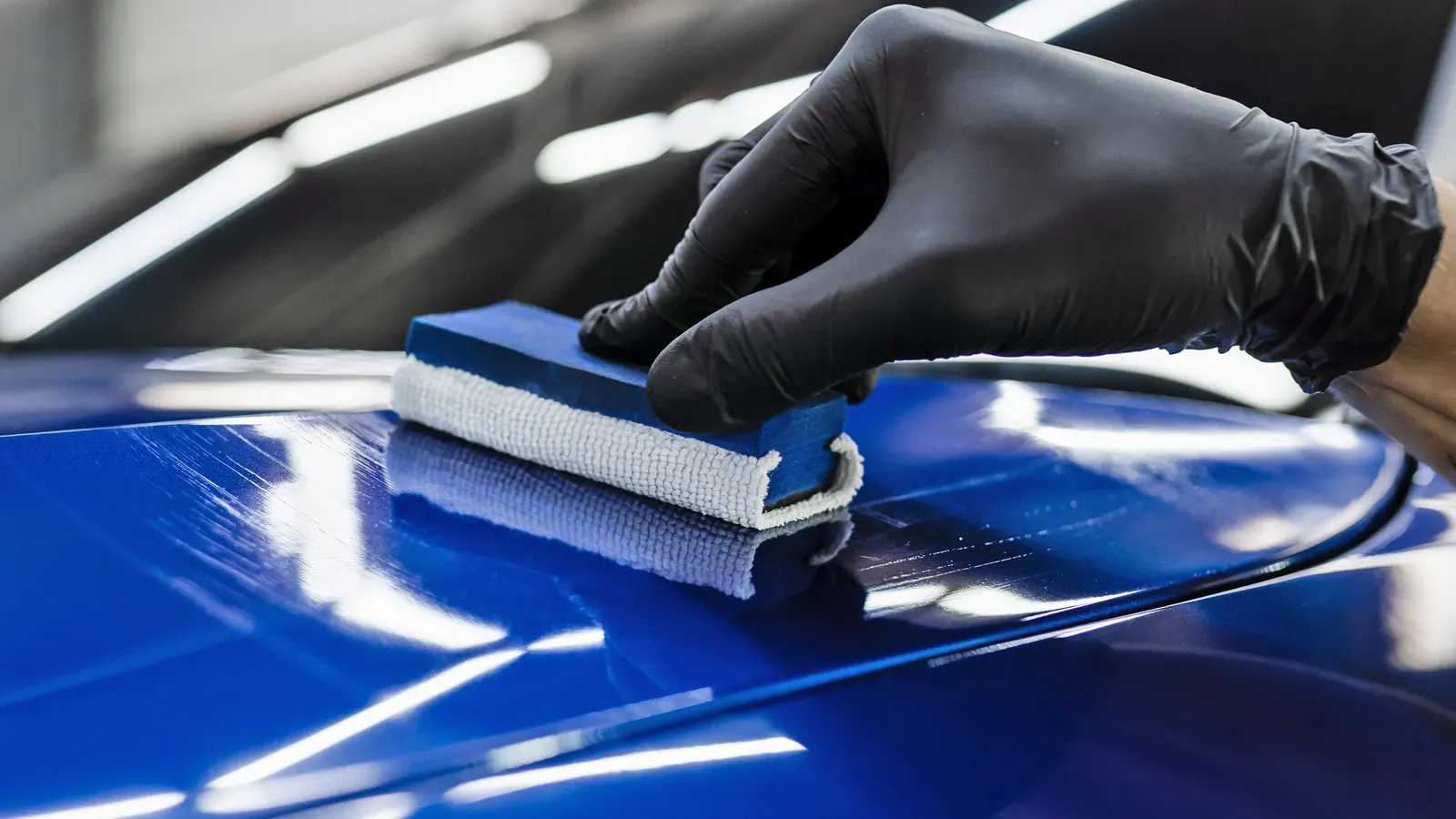
Every 6–12 months, a silica (SiO₂) spray sealant refreshes the hydrophobic top layer in minutes after a wash. Your first maintenance wash and inspection with us is included - bring the car in and we’ll show you the routine on your own paint.
Coastal water is mineral-heavy. Dry the car after washing, don’t let sprinkler water bake on in the sun, and deal with spots early with a coating-safe spot remover. Prevention is minutes; correction is hours.
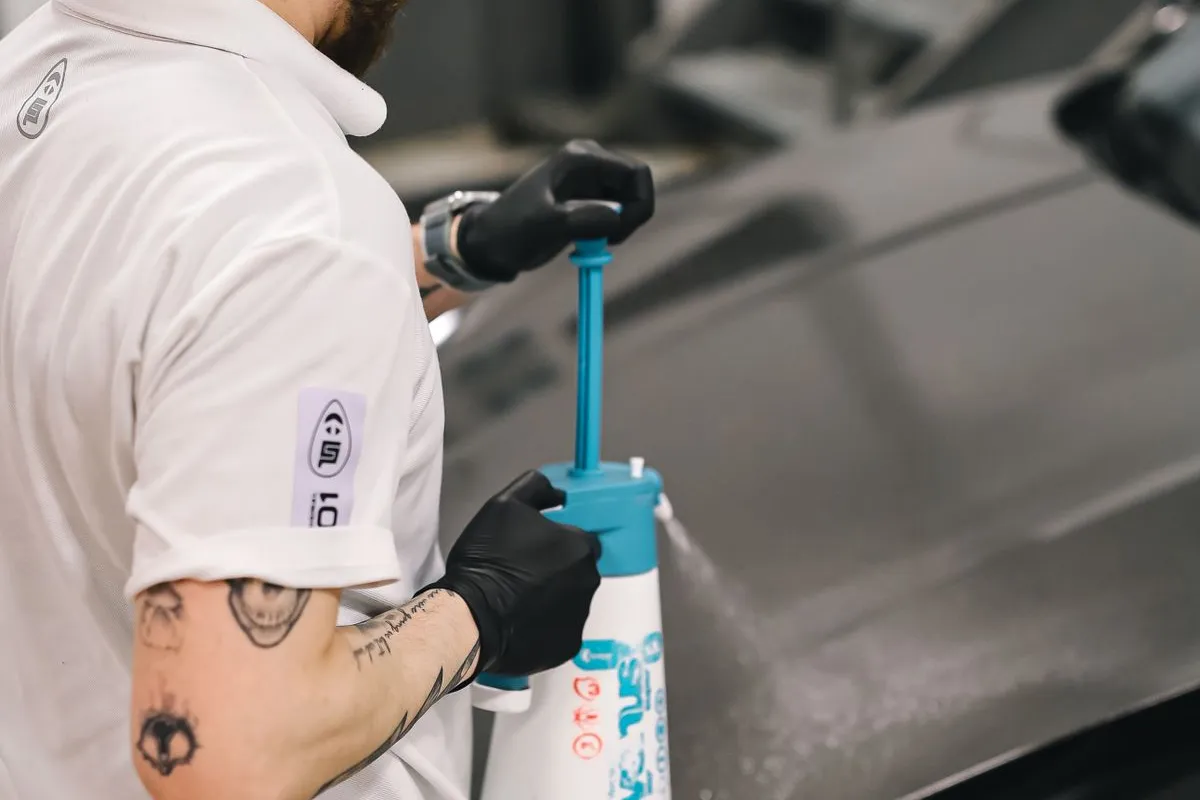
Start with the wheels, because brake dust and road grit are the dirtiest material on the car and you want them rinsed away before the mitt touches paint. Use a separate mitt or brush for wheels, never the paint mitt. Next, rinse the whole car to float off loose pollen and dust, then foam or bucket-wash from the roof downward, one panel at a time, rinsing the mitt in the second bucket with a grit guard before reloading it with pH-neutral shampoo.
Work in shade where you can, and never let shampoo dry on a panel - in Charleston heat it will. Rinse thoroughly, then dry immediately with a plush towel, again roof first, using straight passes rather than circles. Blot glass and mirrors rather than dragging a damp towel across them. Finally, walk around with a second dry towel for door shuts, the fuel flap and the boot lip, where water hides and later drips out as mineral streaks. The whole sequence takes about thirty unhurried minutes once it is a habit.
Spring is pollen season, and the rule is simple: never wipe pollen off dry. Dry wiping drags abrasive grains across the surface. Rinse first, then wash normally, even if the car was clean two days ago - during peak pollen weeks, a rinse-only wash between full washes is normal here. Oak sap gets the same urgency: remove it promptly with a proper wash rather than picking at a hardened spot.
Summer brings sprinkler overspray, beach-day salt and brutal panel heat. Rinse salt off after beach trips, park away from sprinkler arcs where possible, and wash in the early morning or evening so products do not dry on hot paint. Autumn and winter are gentler, and this is the sensible window for your silica top-up if yours falls due - every 6–12 months keeps behavior strong. After any storm that leaves the car coated in wind-blown grit, rinse before you wash, and never lean a recovery clean-up on a brush wash because you are in a hurry. That calendar rhythm is what keeps a Lowcountry coating behaving in year three much like it did in month three.
It is the lesser evil, and only occasionally. Touchless washes avoid brush swirling but use stronger detergents to compensate for having no contact, and repeated use dulls coating behavior faster than hand washing. If you must use one, choose the basic wash without wax add-ons, then hand wash properly as soon as you reasonably can.
Only on a car that is already clean, and only a coating-safe, silica-based spray. Spraying detailer onto dusty or pollen-covered paint and wiping is grinding that dirt across the surface - the classic way owners swirl a coated car themselves. For dust removal, rinse and wash instead. The spray is a finishing step, not a cleaning shortcut.
You do not need to chase every shower. The priority cases are sprinkler water, which is mineral-heavy, and rain that lands on a dusty car and then bakes in the sun. A quick rinse and towel dry after those events prevents the water-spot build-up that is the most common maintenance problem we see locally.
Key takeaways
pH-neutral wash + plush drying towel = 90% of maintenanceBrush washes are the #1 killer - skip them entirelySilica top-up every 6–12 months refreshes behaviorDry after washing: water spots are the local enemyKeep reading
Getting it done locally: see Ceramic Coating in Charleston or Ceramic Coating in Mount Pleasant - same studio standard, priced for your exact car.
Send us the year, make and model - you’ll get an exact quote and the next studio slot.