Guide - Ceramic Coating
A quality coating lasts its warranty period - 4 to 8 years on our tiers - when it’s maintained with pH-neutral washing and periodic silica top-ups. What kills coatings ea…
The short answer: A quality coating lasts its warranty period - 4 to 8 years on our tiers - when it’s maintained with pH-neutral washing and periodic silica top-ups. What kills coatings early is almost never time; it’s brush car washes, harsh chemicals and neglect.
In this guide
Warranty years vs real yearsThe three coating killersMaintenance that actually mattersWhen to recoatHow to Tell Whether Your Coating Is Still WorkingA Realistic Year-by-Year PictureA warranty is the manufacturer standing behind a minimum performance period under proper care. In practice, a maintained coating often outlasts its warranty; an abused one can lose its hydrophobic behavior in a year while the (invisible) protection layer remains. Beading is the behavior you can see - protection is the layer you can’t.
Automatic brush washes (mechanical swirling and harsh detergents), strong alkaline or acid cleaners used carelessly, and water-spot neglect - letting mineral-heavy Lowcountry water bake onto the surface for weeks. None of these are hard to avoid once you know them.
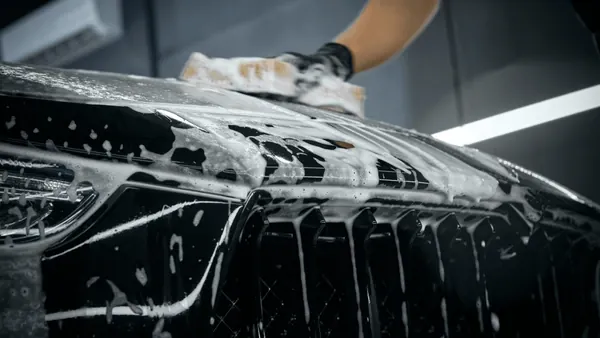
pH-neutral hand washes, a drying towel instead of air-drying, and a silica spray every 6–12 months to refresh the slick, hydrophobic top behavior. That’s the whole routine - perhaps an hour a month across the year.
When washing stops feeling easy, when water behavior stays flat after a top-up, or at warranty end for a refresh. A panel can be re-prepped and recoated without drama - the paint underneath has been protected the entire time.
Do not judge a coating by one rainy day. Use three simple checks after a proper wash. First, the rinse test: on clean paint, water should bead tightly on horizontal panels and sheet off vertical ones rather than clinging in a flat film. Second, the wash test: road film should release with pH-neutral shampoo and a mitt, without scrubbing. Washing that suddenly feels like hard work is an earlier warning than beading.
Third, the drying test: a plush towel should clear a panel in a couple of passes, because water is leaving the surface instead of smearing across it. If behavior looks flat, the usual cause is surface contamination - pollen film, mineral build-up or a harsh wash - sitting on top of a coating that is still present underneath. A silica top-up every 6–12 months restores the visible behavior in most cases. Bring the car to us before assuming the worst: the included inspection approach - wash, test, top up - recovers far more coatings than owners expect. It takes five minutes after any ordinary wash at home.
Year one should feel effortless: tight beading, fast washes and strong gloss, provided the car is hand washed and kept away from brush washes. Years two and three are where habits separate outcomes. A maintained car still behaves close to new after its silica top-ups, while a neglected car may look flat even though the protective layer remains under the contamination.
By years four to five, a 4-year tier is approaching its planned refresh point: behavior fades sooner after each top-up, and recoating one clean, protected car is straightforward work. The 8-year flagship tier, with the same care, is typically only at its midpoint, which is part of what the higher price buys. In the final years of either tier the honest signal is consistency - if a top-up restores behavior for months, the coating is serving; if it fades within weeks, plan the refresh. Throughout, remember the distinction: hydrophobic behavior is the visible report, while UV and chemical protection continue quietly underneath even when beading looks tired. That patience is what separates a coating judged fairly from one blamed unfairly.
In visible behavior, yes. Garaging removes overnight dew, salt-air settling and hours of direct UV, so beading and slickness stay fresher between top-ups. The underlying protection works either way, but a driveway car in the Lowcountry simply works its coating harder and benefits most from twice-yearly silica top-ups and prompt drying after washes.
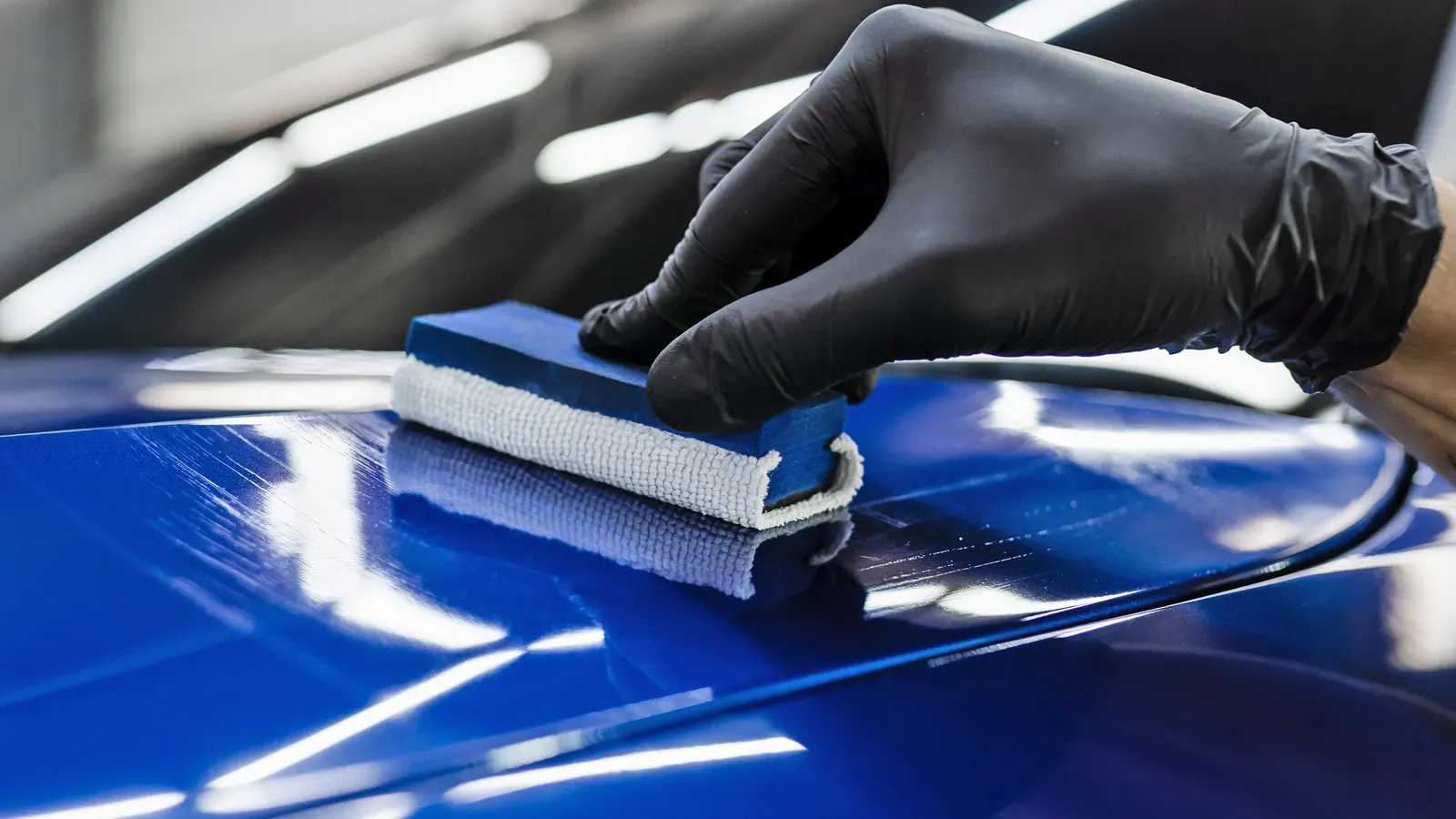
No. A top-up refreshes the hydrophobic top behavior; it does not create a new coating layer or extend the written warranty period. Think of it as servicing rather than replacing. The warranty still runs from the original application date - 4 or 8 years depending on tier - under proper maintenance.
Almost certainly not. Flat beading that early usually means contamination on top of the coating: pollen film, mineral deposits from sprinklers, or residue from a harsh wash chemical. A proper pH-neutral wash, a coating-safe decontamination and a silica top-up restore behavior in most cases. Have it inspected before paying anyone to recoat.
Key takeaways
Expect the warranty period (4–8 years) with basic maintenanceBrush washes and harsh chemicals are the real coating killersSilica top-ups every 6–12 months keep behavior like newRecoating is simple - the paint was protected throughoutKeep reading
Getting it done locally: see Ceramic Coating in Charleston or Ceramic Coating in Mount Pleasant - same studio standard, priced for your exact car.
Send us the year, make and model - you’ll get an exact quote and the next studio slot.