Guide - Ceramic Coating
Almost no coating dies of old age - it’s killed: by brush washes, harsh chemicals, wax layered over it, baked-on water spots, or simple neglect. All five are avoidable wi…
The short answer: Almost no coating dies of old age - it’s killed: by brush washes, harsh chemicals, wax layered over it, baked-on water spots, or simple neglect. All five are avoidable with a 10-minute routine.
In this guide
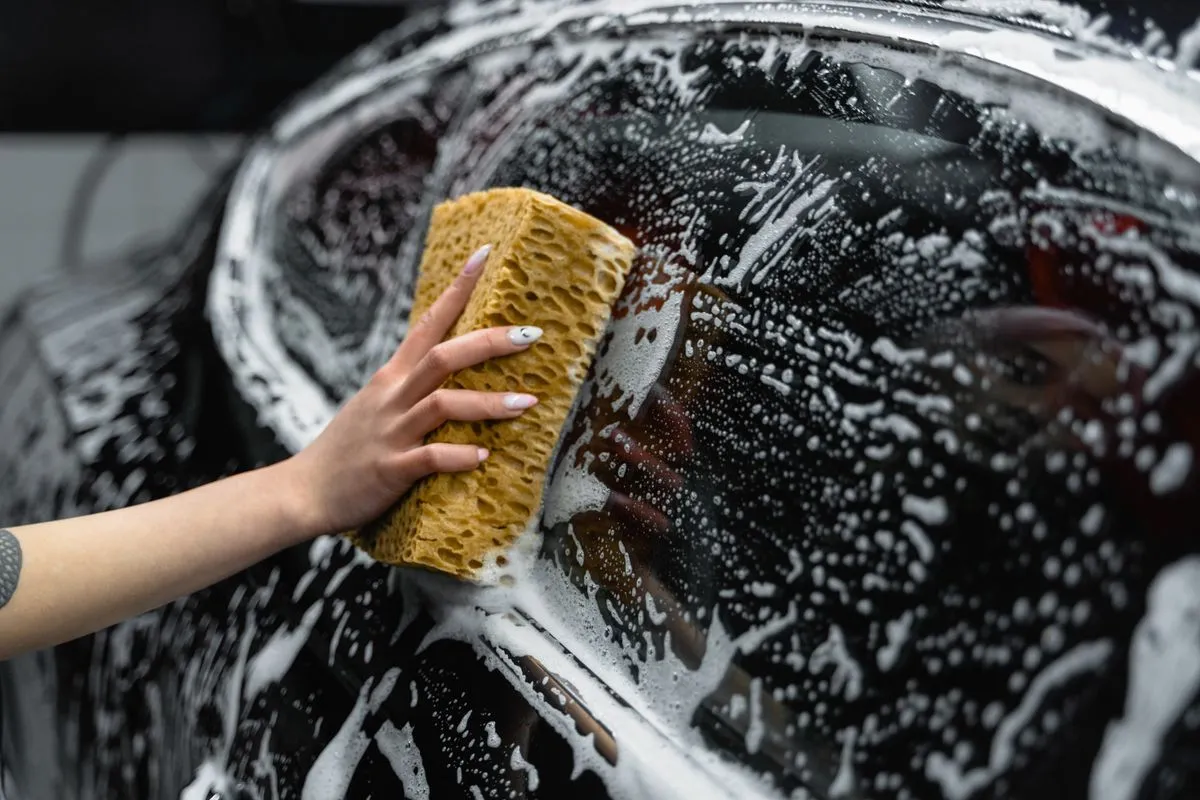
1. The brush wash2. Harsh chemicals3. Waxing over it4 & 5. Water spots and neglectFirst-Month Mistakes: The Damage Done With Good IntentionsThe Product Shelf Audit: Keep, Retire and Never BuyOne pass through an automatic brush wash can swirl through a coating’s behavior layer and start the decline. It’s the single most common cause of "my coating stopped working" - and the easiest to avoid: hand wash, or touchless in a genuine emergency.
Strong alkaline degreasers and acid cleaners, used carelessly or left to dry, attack the coating’s top behavior. pH-neutral products exist for a reason - they’re the entire approved list for routine washing.
Wax on top of a coating dulls the slickness and beading you paid for and solves no problem that exists. The coating IS the protection; the only topper it wants is a silica spray a couple of times a year.
Letting mineral-heavy Lowcountry water bake on for weeks etches spots into the behavior layer; skipping the twice-yearly silica top-up lets behavior fade even while protection remains. Dry after washing; top up twice a year. That’s the whole defense.
The most dangerous period in a coating’s life is the first month, and the damage usually comes from enthusiasm rather than neglect. Mistake one is washing too soon or too eagerly - the car must not be washed for 7 days after coating, and the first wash afterwards should be the gentle two-bucket routine, not a celebratory marathon with every product you own. Mistake two is testing the coating: pressing a fingernail into it, dragging a key lightly “to check”, or wiping a panel with a dry hand to feel the slickness. You are feeling it with the dirtiest tool available.
Mistake three is parking choices made on autopilot - under the oak dripping sap outside your office, or in the sprinkler arc at home - during the weeks when the coating is newest and mineral water does its worst work. Mistake four is letting a well-meaning valet or dealership wash the car at a service visit; a single brush or gritty-sponge wash undoes more than a month of your care. Leave a note on the dash: “Do not wash - coated car.” Studios and service desks respect it when they see it in writing.
Open the garage shelf and sort honestly into three groups. Keep: pH-neutral shampoo, plush microfiber towels in good condition, a silica spray for top-ups every 6–12 months, and a coating-safe water-spot remover for emergencies. That short list is the coating’s entire approved household. Retire from paint duty: any wash-and-wax shampoo, which leaves wax films that mask beading, old towels now rough enough for wheels only, and the clay bar - clay is an abrasive decontamination tool for preparation day, and dragging it across a coated car in routine care strips behavior for no benefit.
Never buy for a coated car: strong alkaline degreasers for routine washing, acid wheel cleaners used casually around coated paint, abrasive polishes, and any wax or polymer sealant marketed as an extra layer of protection. The coating is the protection; everything in this group either attacks it or buries it. If a product’s label promises to clean, shine and protect in one step, it belongs on a different car. When in doubt, photograph the label and ask us at a maintenance visit before it touches the paint - a ten-second question against a recoat bill is the easiest trade in car care.
One pass rarely destroys a coating outright, but it can swirl the behavior layer and start the decline - which is why it tops the mistake list. Do not compound the error with corrective products at home. Book an inspection: after a proper wash we can judge whether behavior recovers with a top-up or whether light machine work is needed.
Selectively, and only a coating-safe product used exactly as directed: apply to the spot, allow the brief dwell time, and wash off - never spray the whole car and never let it dry on the surface. Prompt washing after highway trips means most bug strikes lift with shampoo alone, which is always the gentler first attempt.
Only as a deliberate reset. Polishing removes the coating along with the defects, so it is the correct step before a planned recoat - and a destructive one as casual maintenance. If the finish looks tired, the sequence is wash, inspect, decontaminate and top up first. Most “tired” coatings are contaminated, not dead, and recover without a polisher ever starting.
Key takeaways
Brush washes: the #1 killer - neverpH-neutral only; harsh chemicals attack the top layerNever wax over a coating - silica spray insteadDry after washing + top up twice a year = years of behaviorKeep reading
Getting it done locally: see Ceramic Coating in Charleston or Ceramic Coating in Mount Pleasant - same studio standard, priced for your exact car.
Send us the year, make and model - you’ll get an exact quote and the next studio slot.