Guide - Paint Correction
Swirls are thousands of micro-scratches from washing and wiping - grit dragged across paint by sponges, brush washes and dry dusting. They’re removed permanently by machi…
The short answer: Swirls are thousands of micro-scratches from washing and wiping - grit dragged across paint by sponges, brush washes and dry dusting. They’re removed permanently by machine polishing, and kept away by a safer wash routine (or a coating).
In this guide
The usual suspectsWhy they show in sunRemoval, properlyKeeping them goneThe habits that bring swirls back within weeksHow to spot swirls like a corrector doesAutomatic brush washes lead the list, followed by single-bucket washing (grit recycled onto the mitt), bath towels and chamois with trapped grit, dry-wiping dust, and dealership "courtesy washes." Most swirled cars were washed with love and bad tools.
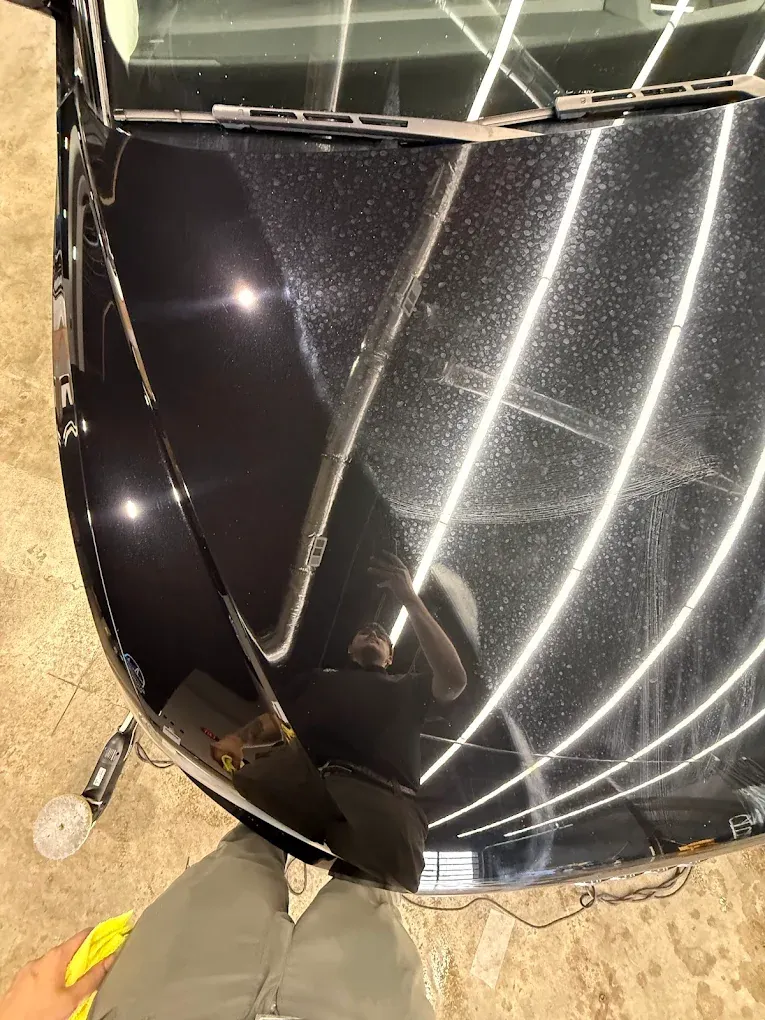
Swirls are circular because hands and brushes move in circles. Each micro-scratch catches light at a different angle, creating the spider-web effect under sun or forecourt lights. Black and dark colors show maximum contrast; silver hides a multitude.
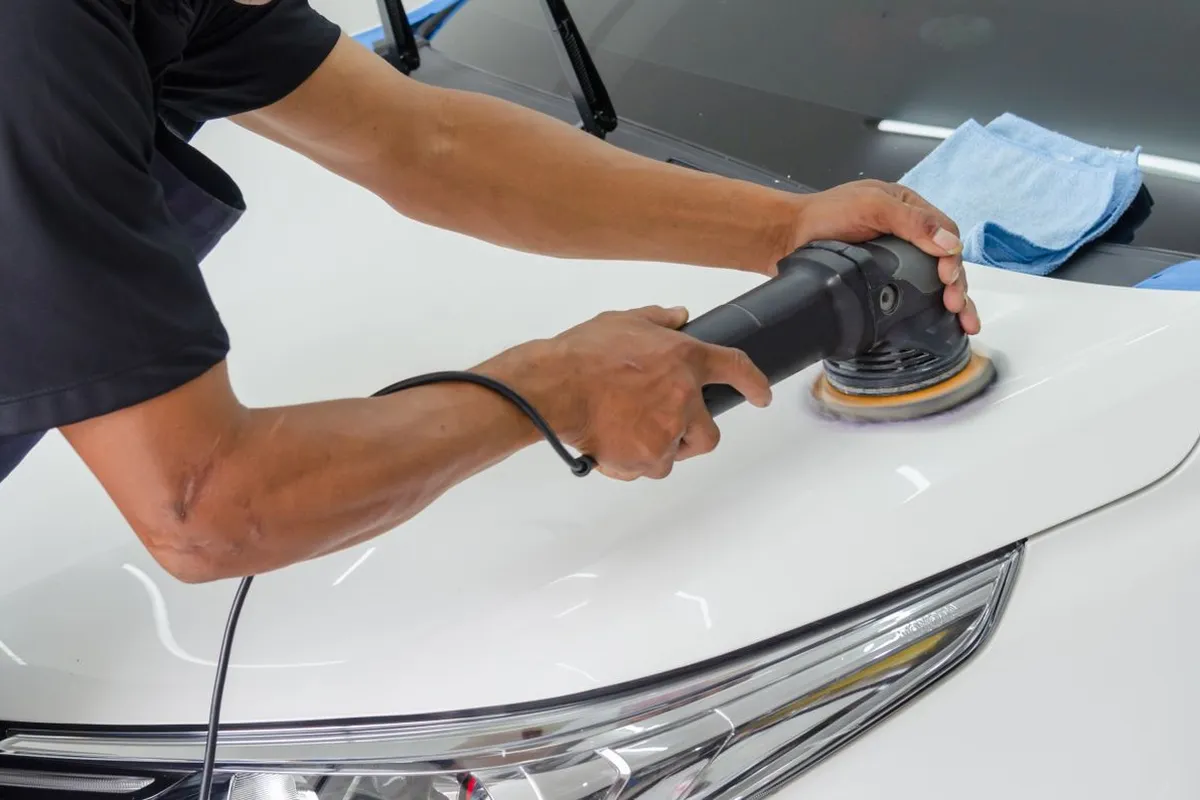
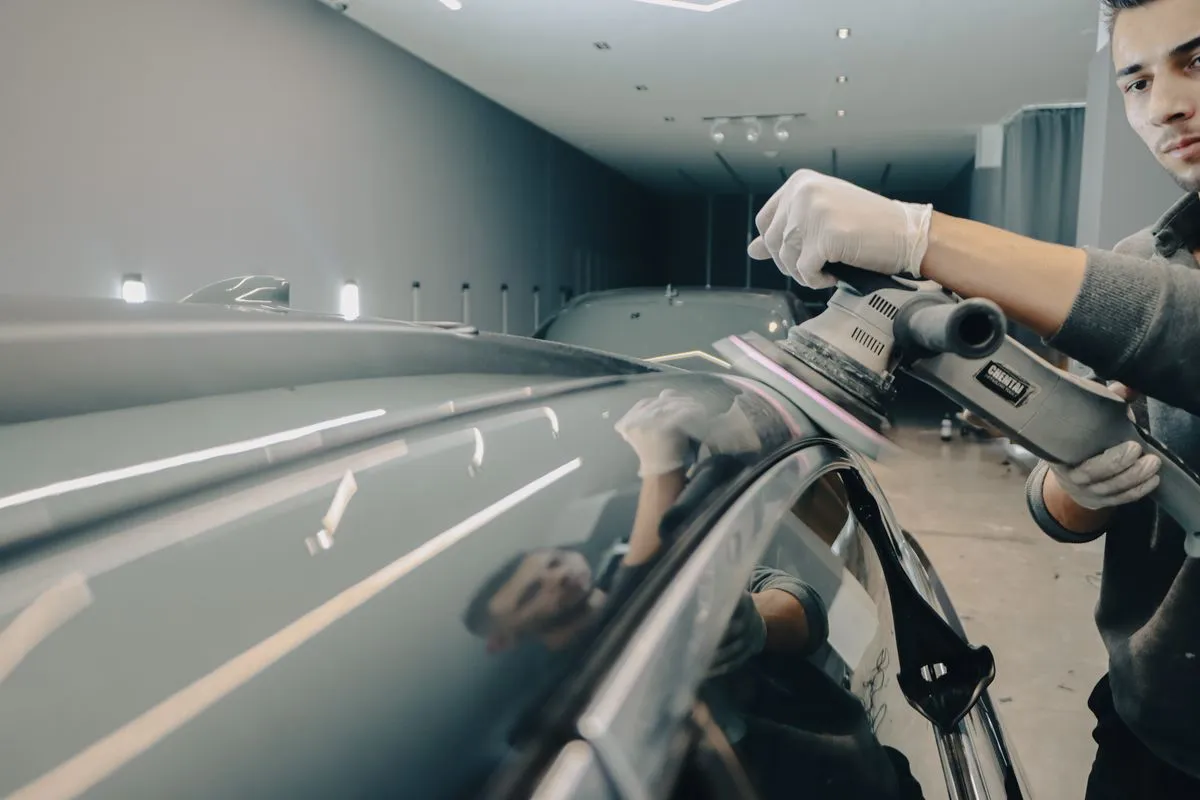
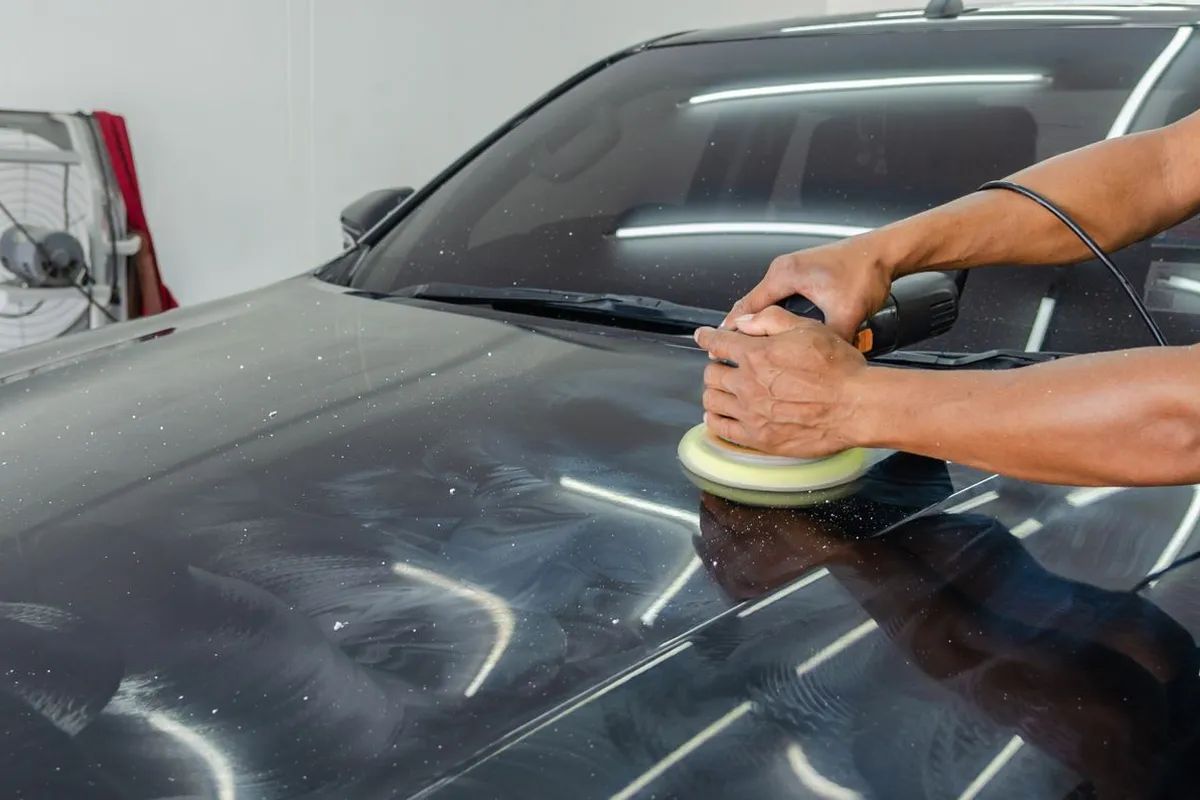
Correction levels the clear coat until the swirl field is gone - test panel first, least aggressive path. Fillers in cheap "polishes" hide swirls for a few washes; abrasive correction deletes them. Ask which one you’re buying.
Two buckets with grit guards, plush mitts, no dry wiping, no brush washes. Or the structural fix: correct once, coat it - the coating’s hardness and slickness make future swirls slower to form and easier to avoid.
Correction only pays if the wash routine changes, because the same hands that made the swirls will remake them. The fastest repeat offenders we see in Charleston are the single sponge used for wheels then paint, the waterless wipe-down of a dusty car after a day parked under pollen, and the beach towel or old bath towel used for drying - all three drag grit in arcs across the clear coat. Automatic washes with spinning brushes remain the single biggest source, especially on soft black paint.
The fix is boring and cheap: two buckets with grit guards, one plush mitt for paint and a separate one for wheels and lower panels, and drying with a clean microfiber towel using straight lines and almost no pressure. Wash in shade so soap does not dry on the panel, rinse the mitt often, and never wipe a dry, dusty car. If washing at home is not realistic, a careful hand-wash service beats a brush tunnel every time - and a coated car needs less contact washing in the first place.
Swirls hide on cloudy days and under flat garage light, which is why cars often look fine at collection and terrible at the petrol station. To check your own paint, park facing direct sun and look along the panel at a low angle, moving your head slowly - the spider-web pattern appears as the light rakes across the surface. A phone torch held close in a dark garage does the same job: move it slowly and watch for circular trails around the reflection.
Check several panels, not just the hood. Roofs, upper doors and the tops of wings usually carry the worst wash damage, while lower doors collect road grit marks. Note whether the marks look like fine circular webbing - classic swirls - or straight, random deeper lines, which suggest a single harsh incident. Bring those notes, or better the car, to 3555 Meeting Street Rd, Ste B. Under our correction lighting the full picture shows in minutes, and the test panel proves what removal will look like before you commit.
The ones we remove do not come back - they were polished out of the clear coat. New swirls can form if the old wash habits return, because correction cannot change how paint is treated afterwards. That is why we brief owners on the two-bucket method, and why many clients add XPEL Fusion Plus coating to slow new marks forming.
Temporarily, yes. Fillers and glazes in waxes and polishes fill the micro-scratches with oils so they reflect light like flat paint - for days or a few washes. Then the fillers wash away and the webbing reappears. It is a trick used before selling a car, but it is not removal, and we will tell you which you are buying.
Contrast, not condition. Light colors reflect so much light that the scattered light from micro-scratches blends in, while black and dark blue show every mark against a dark background. Your silver car certainly has swirls - they are harder to see. Under correction lighting at the studio they show, which is why assessment is done there, not in a driveway.
Key takeaways
Caused by grit in washing: brushes, single buckets, dry wipingCircular scratches scatter light - the spider-web in sunCorrection deletes; fillers only hide for a few washesPrevention: two-bucket method or correct + coatKeep reading
Getting it done locally: see Paint Correction in Charleston or Paint Correction in Mount Pleasant - same studio standard, priced for your exact car.
Send us the year, make and model - you’ll get an exact quote and the next studio slot.