Guide - Paint Correction
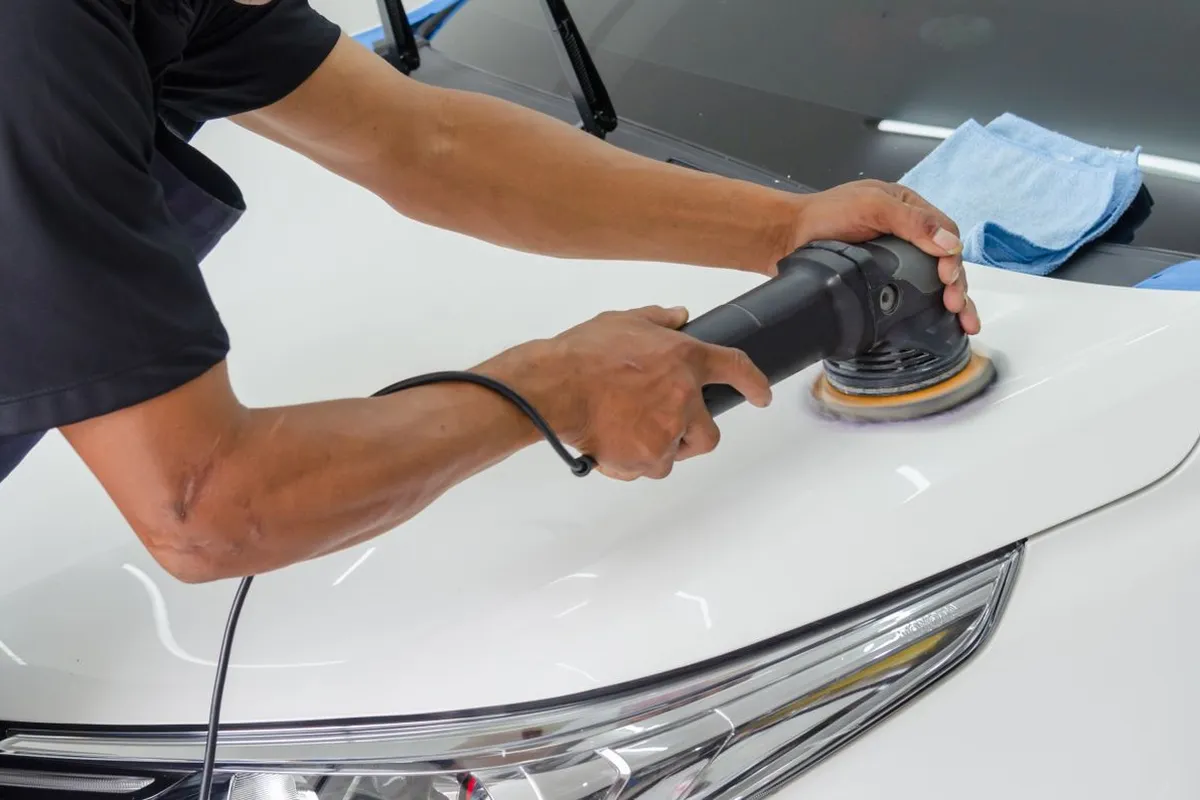
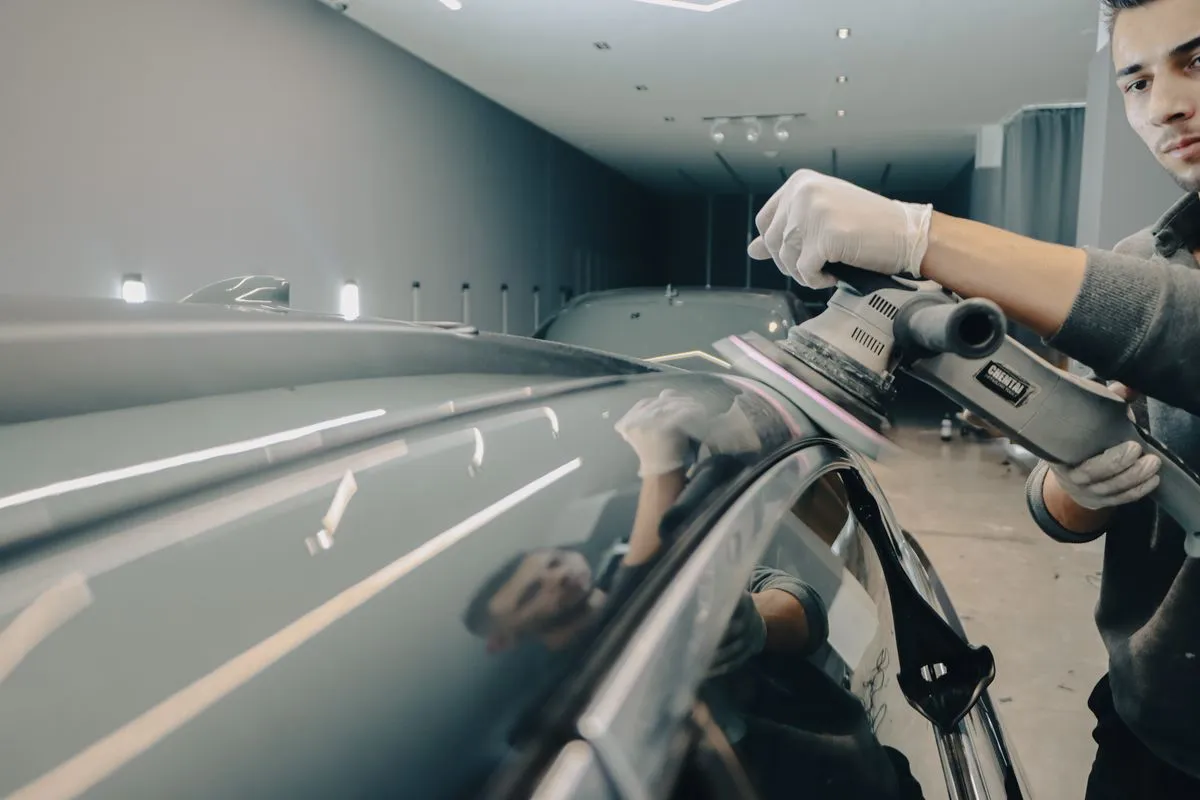
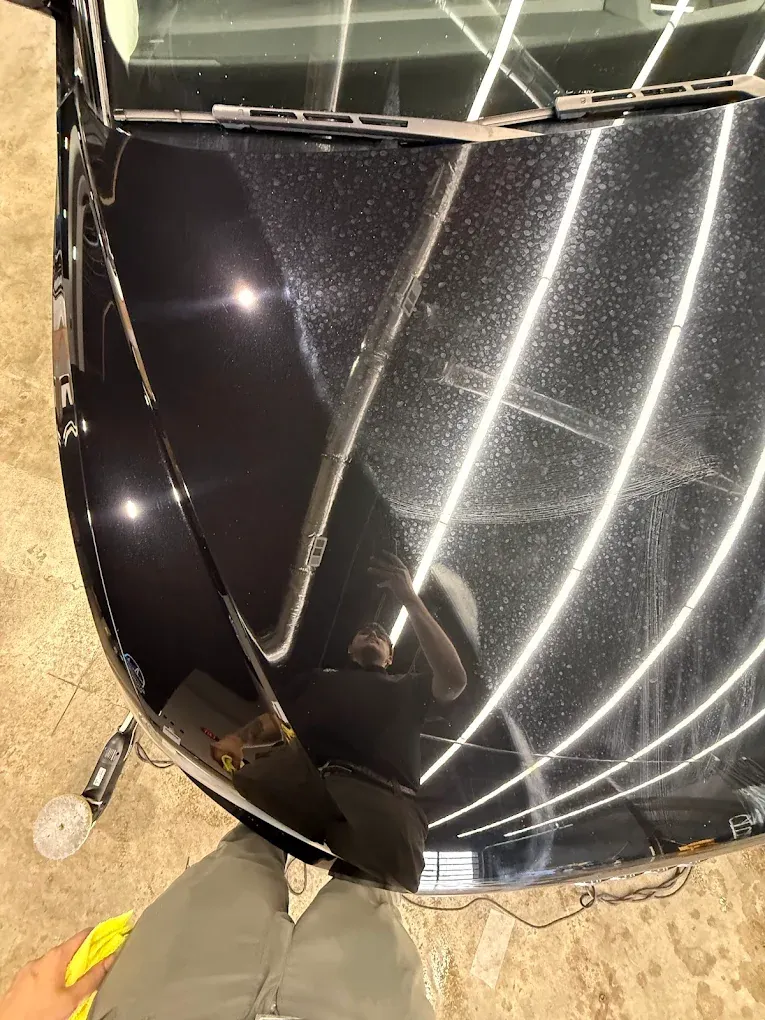
Correction costs $499–$899+ and preserves factory paint; a quality panel respray costs more per panel and ends originality. If the clear coat is intact, correction wins a…
The short answer: Correction costs $499–$899+ and preserves factory paint; a quality panel respray costs more per panel and ends originality. If the clear coat is intact, correction wins almost every time. Repaint is for failed, peeling or damaged paint.
In this guide
The moneyThe originality factorWhen repaint genuinely winsThe middle pathSigns correction has reached its limitWhat repainting means for value, time and color matchCorrect a whole car for less than respraying two panels properly. Resprays also carry blends, color-match risk and days-to-weeks timelines. Correction: 1–2 days, factory finish retained, value story intact at resale.
Original paint is a value feature - measurers check it, collectors pay for it. A resprayed panel invites questions forever. Correction keeps the car’s factory story while making it look like the story was always kind.
Peeling or delaminating clear coat, rust, deep damage through to metal, previous bad paint. Correction over failing paint is lipstick on a problem - we assess and will direct you to paint when paint is the answer.
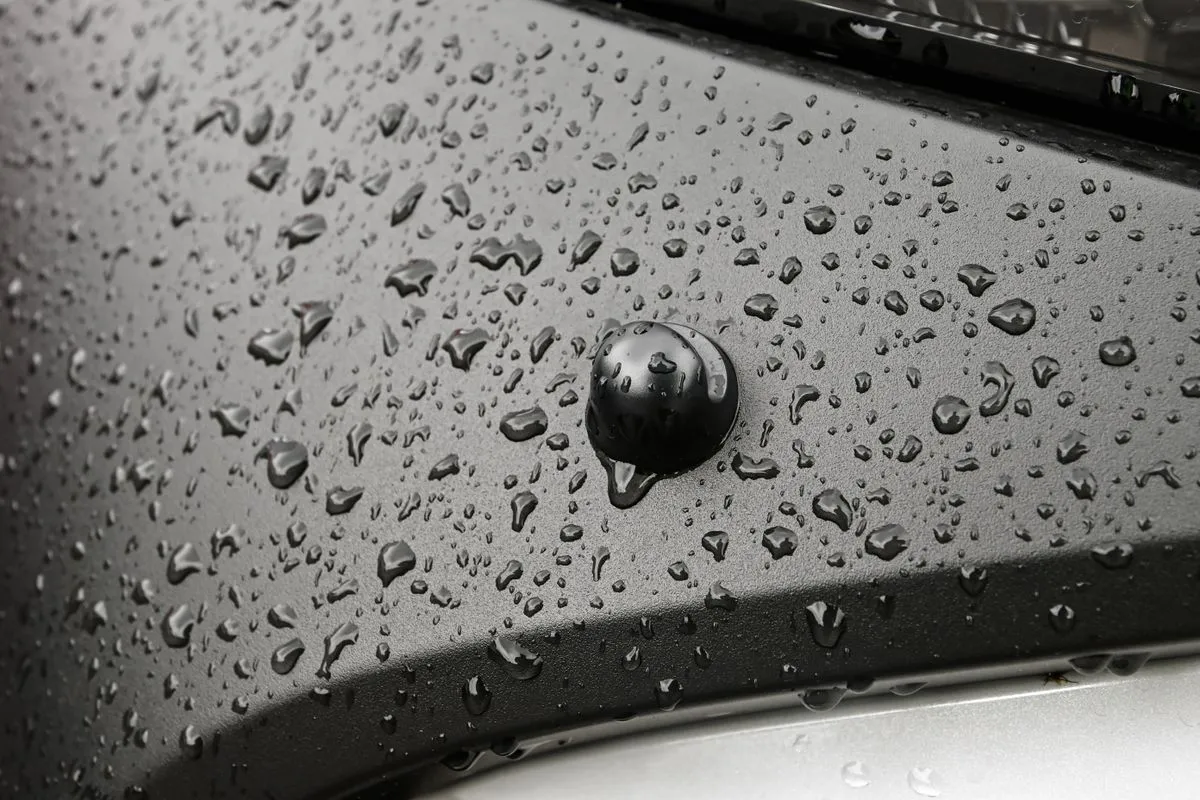
Correct the car, touch up the few through-coat chips professionally, coat everything. Ninety percent of "needs paint" cars actually need this - at a third of the cost and none of the originality loss.
There are clear warning signs that paint, not polishing, is the answer. If the clear coat is peeling, flaking or lifting in sheets, there is nothing stable left to polish - the layer correction works in is failing. A milky, cracked or crazed surface that does not respond on a test panel points the same way. Rust bubbles, damage through to bare metal, and large areas of missing paint from impact all need bodywork first. We also stop when a panel has been repainted badly: heavy texture, dry edges and very thin readings mean further machine work risks cutting through.
In those cases we will say so plainly and explain what a bodyshop would need to do, even though it sends work away from us. What we will not do is sell you a two-step correction at $899 over failing paint and call the shine a result. The test panel protects you here - if the paint cannot respond, you find out on one small section, at assessment, before any real money is committed to the wrong solution.
A respray is a bigger commitment than most owners expect. The panel must be stripped, prepared, primed, colored and cleared, then blended into neighboring panels so the eye cannot find the join - and even skilled blending can show under certain lights or as the paint ages differently from the factory finish around it. Metallic and pearl colors are the hardest to match exactly. The car is typically away for days to weeks rather than the one to two days correction takes, and overspray, texture differences and paint-thickness readings will be part of the car’s story at resale.
None of that makes repainting wrong - for failed or damaged paint it is the only real fix. It does mean repainting healthy but swirled factory paint is usually a poor trade: you pay more, wait longer, and give up originality to solve a problem correction solves for $499 to $899. If only one or two panels are truly damaged, repainting those panels and correcting the rest is often the smartest combined plan, and we will scope it that way.
No. Peeling means the clear coat is separating and failing, and polishing a failing layer only removes more of it. That panel needs to be repainted by a bodyshop. What we can do is correct the healthy panels around it and protect them with coating, so the rest of the car is preserved while the failed panel is repaired properly.
A good bodyshop gets close, especially with careful blending into adjacent panels, but an exact match for metallic and pearl factory paint is genuinely difficult, and the new paint may age at a slightly different rate. Thickness readings will also show the repair. This is a key reason to correct original paint whenever it is healthy enough to save.
On enthusiast, classic and higher-value cars, yes - original paint is a selling point and buyers check panel readings. On an ordinary daily driver with damaged paint, a quality repair can help value compared with leaving the damage visible. The deciding factor is whether the original paint was saveable. If it was, correction preserves the finish and the value story.
Key takeaways
Whole-car correction < two-panel respray, with originality keptRespray = color-match risk + weeks + questions at resaleRepaint wins only for failed/damaged paintMiddle path: correct + touch up + coatKeep reading
Getting it done locally: see Paint Correction in Charleston or Paint Correction in Mount Pleasant - same studio standard, priced for your exact car.
Send us the year, make and model - you’ll get an exact quote and the next studio slot.