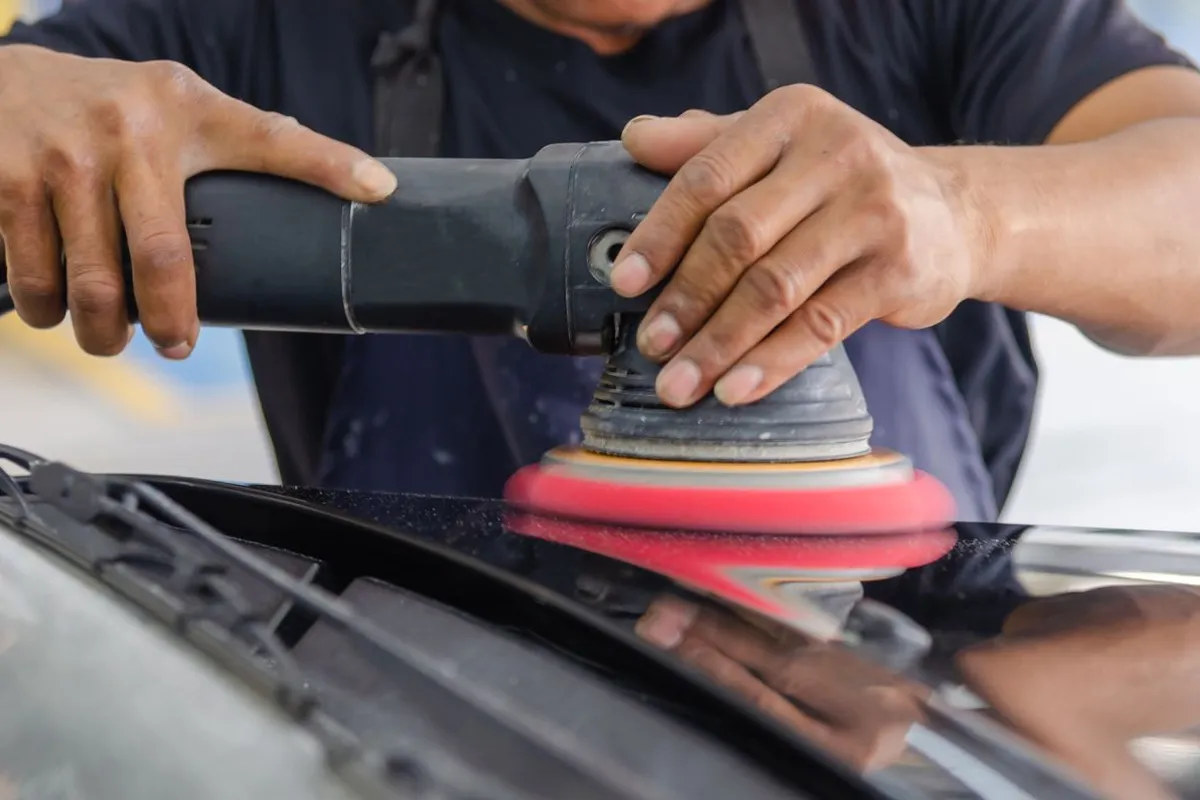
Guide - Paint Correction
A 1-step polishes once for gloss and ~60–70% defect removal. A 2-step cuts defects first, then refines - 85–95% removal. Multi-step repeats the process at finer levels fo…
The short answer: A 1-step polishes once for gloss and ~60–70% defect removal. A 2-step cuts defects first, then refines - 85–95% removal. Multi-step repeats the process at finer levels for show finishes. The right step count is set by your paint and your goal, proven on a test panel.
In this guide
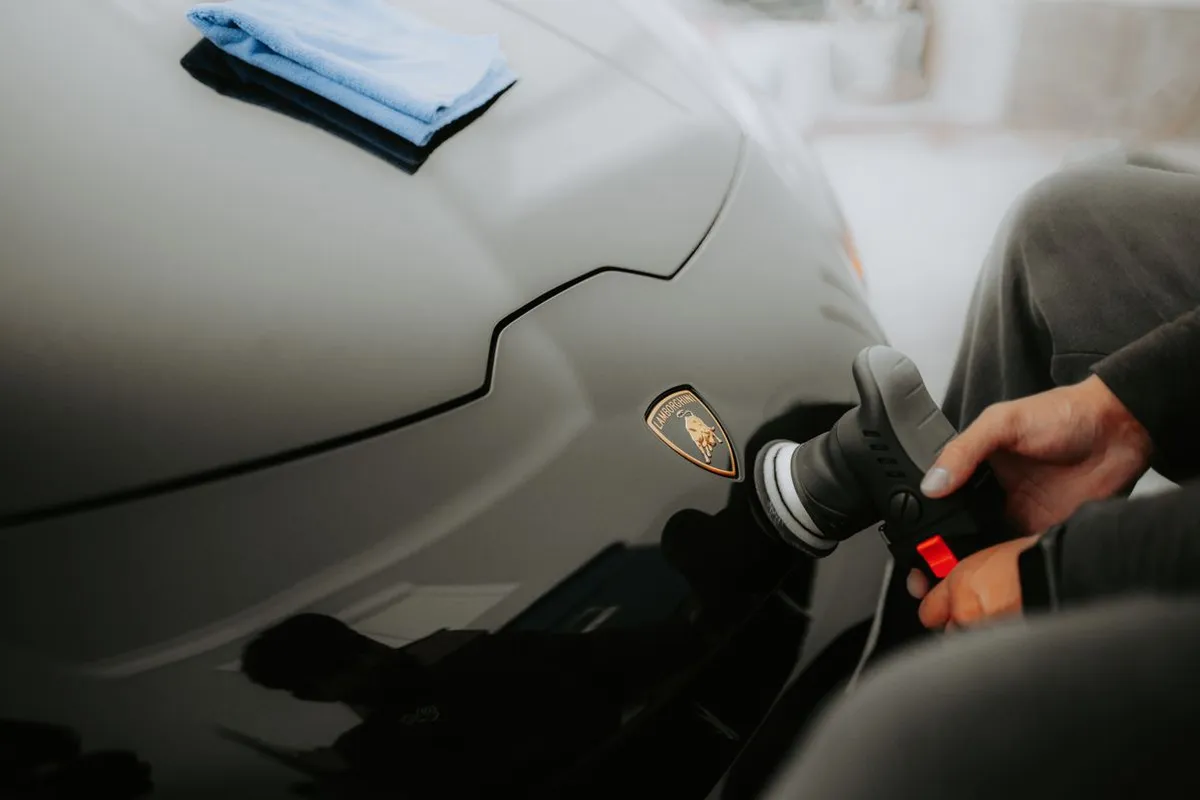
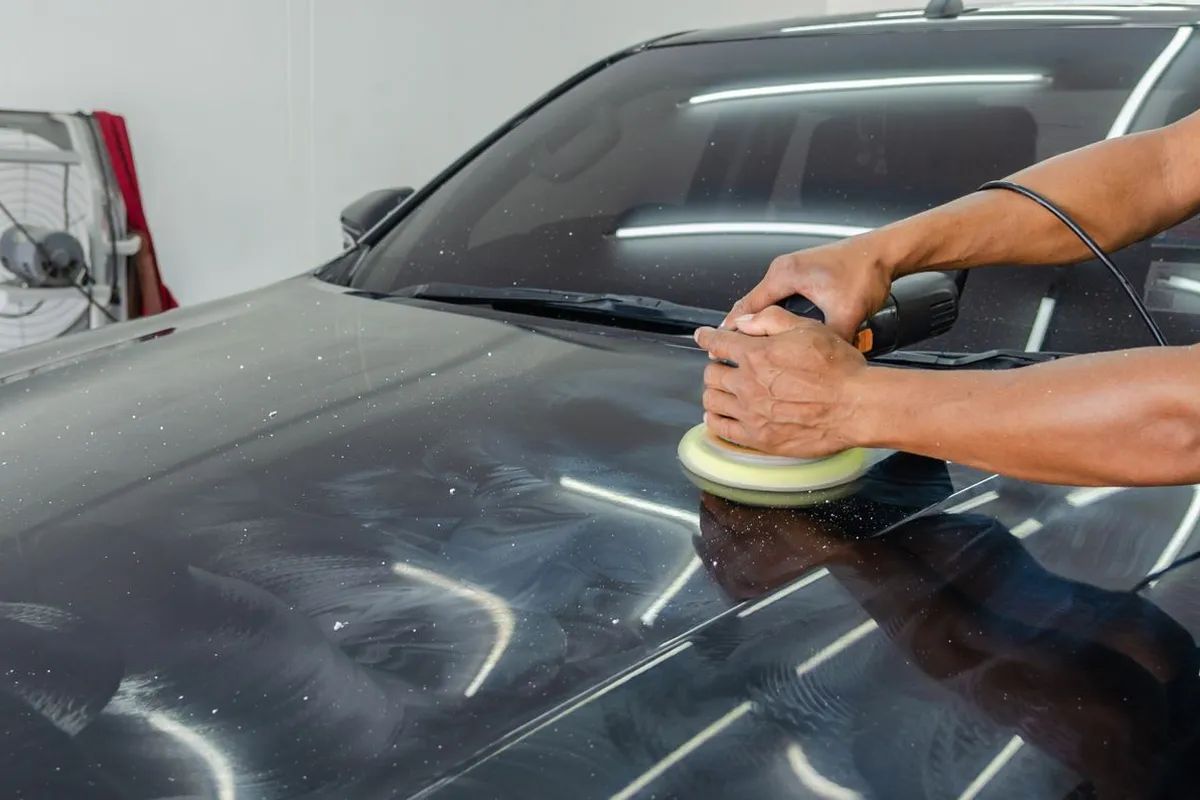
What a "step" isMatching steps to carsClear coat is the budgetThe coating connectionHow the test panel picks the step count for youWhat multi-step work adds beyond two stepsEach step is a full machine-polishing pass with a specific compound/pad combination. A cutting step uses abrasives to level clear coat and remove defects; a refining step uses fine polish to remove the cutting step’s own haze and maximise clarity. Steps are about sequence, not effort theater.
Light swirls on a newer car: 1-step often achieves everything visible. Moderate swirls, water spots, a car being coated: 2-step. Black paint, show cars, heavy defects: multi-step with panel-by-panel judgement. More steps than the paint needs waste clear coat; fewer wastes the appointment.
Every step removes a little clear coat - microns, but finite. A good corrector thinks like a surgeon: the least aggressive path to the agreed result, preserving paint for the car’s future corrections. This is why test panels and honest scoping matter more than enthusiasm.
Coating locks in whatever the final step leaves. Two-step + coating is the combination most Charleston clients land on: correction deep enough to be worth sealing for years.
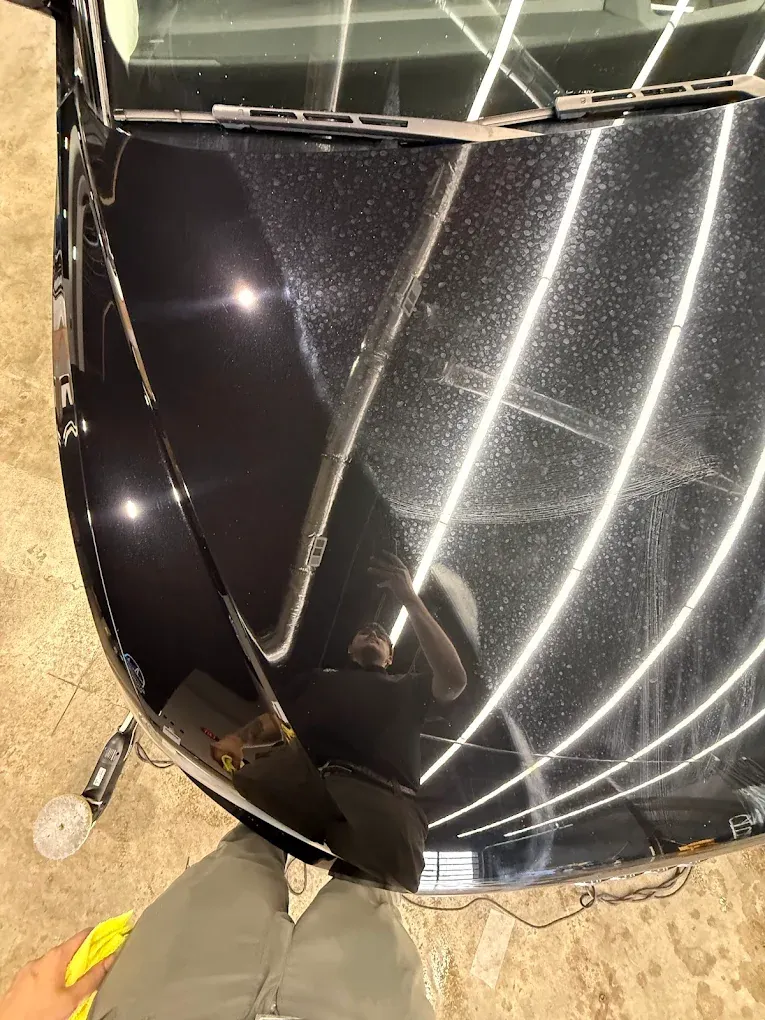
We start every car the same way: wash, decontaminate, then polish one representative section - usually part of the hood or a door - starting with the least aggressive pad and polish combination. Under correction lighting we check what that single pass removed. If the swirls are gone and only the deepest few marks remain, a 1-step enhancement will deliver roughly 60–70% defect removal across the car and extra stages would spend clear coat for little visible gain.
If the first pass leaves a clear haze, or the swirl field is still obvious, that tells us the defects need a dedicated cutting stage first, followed by a separate refining stage to clear the cut’s own micro-marring - the classic 2-step, at 85–95% removal. Sometimes one panel, like a heavily marked hood, needs two steps while the sides need one, and we will scope it that way. The decision is never made from the car’s age or mileage; two cars of the same model can need different work because their wash history differs.
Multi-step correction is not simply doing the same thing three times. After the cutting and refining stages, extra passes use progressively finer polishes to chase the last fraction of clarity - the stage detailers call jeweling. It is slow, low-speed work judged under several types of light, because a finish that looks perfect under one lamp can show faint haze under another. This is the level quoted for show cars, concours preparation and owners of black cars who want the deepest possible reflection.
The trade-off is honest: each extra stage removes a little more clear coat and adds many hours, so multi-step work is quoted per car after the test panel rather than sold from a menu. On a daily driver it rarely makes sense - road film and the next year of washing will hide the last few percent of perfection in normal light. On a garage-kept car that gets coated straight afterwards with XPEL Fusion Plus, it can be the right spend, because the coating preserves that finish for years.
No. A 1-step is the least aggressive option and removes very little clear coat, so choosing it now does not block a fuller correction later. Many owners enhance first, live with the car, then book a 2-step before coating. The only cost of staging it this way is a second preparation visit, not any harm to the paint.
You can see it. After the cutting stage the paint looks flatter and slightly hazed under the lights - that is normal and expected. After refining, the same panel turns clear and deep. At hand-back we walk the car with you under correction lighting, panel by panel, so you are judging the finished surface, not trusting a description.
Only if your defects and goals need it. On a lightly swirled silver car, a 2-step can look identical to a 1-step in normal light while removing more clear coat and costing more. Better means matched to the paint in front of us. That is what the test panel is for - proving the level before you pay for it.
Key takeaways
1-step ~60–70% · 2-step ~85–95% · Multi-step = show levelSteps = sequenced passes (cut, then refine), not effortLeast aggressive path wins - clear coat is finite2-step + coating is the most-booked combinationKeep reading
Getting it done locally: see Paint Correction in Charleston or Paint Correction in Mount Pleasant - same studio standard, priced for your exact car.
Send us the year, make and model - you’ll get an exact quote and the next studio slot.