Guide - Ceramic Coating
Black paint shows every swirl, water spot and dusting of pollen - which is why black cars gain the most from correction + coating, and suffer most without it. The pairing…
The short answer: Black paint shows every swirl, water spot and dusting of pollen - which is why black cars gain the most from correction + coating, and suffer most without it. The pairing that works: multi-stage correction, then an 8-year coating, then the 10-minute wash routine.
In this guide
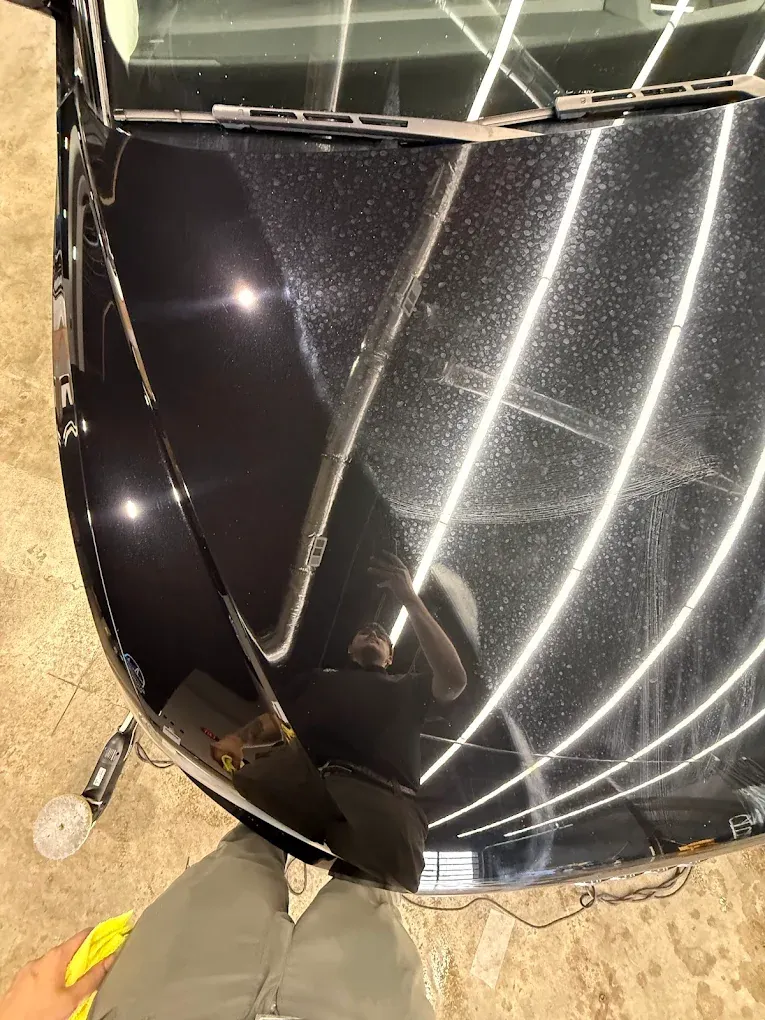
Why black is unforgivingCorrection is the whole gameLiving with it afterFilm the front, always consider itWashing a Black Coated Car Without Adding SwirlsManaging Pollen, Dust and Water Spots on BlackOn light colors, swirls scatter light invisibly. On black, every micro-scratch is a white line on a dark field - the contrast does the damage. Add Charleston’s mineral water spots and yellow pollen, and an unprotected black car looks neglected within weeks of a detail.
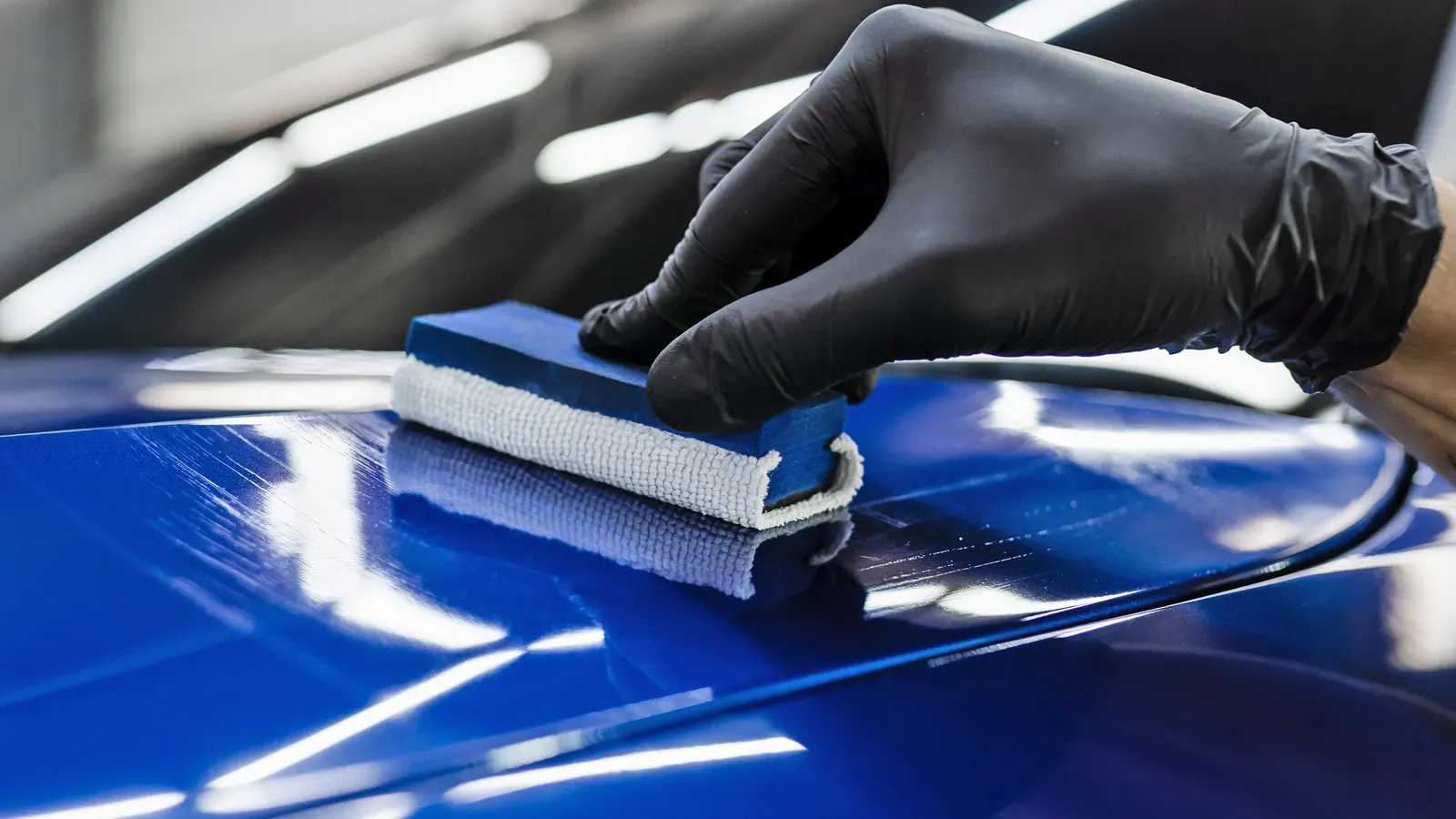
With black, the correction stage decides everything: a careful two-step (cut, then refine) removes the swirl field, and jeweling-grade finishing brings out the depth people mean when they say "wet look." Coating then locks that finish in - coating uncorrected black paint just preserves the swirls under glass.
Coated black cars wash dramatically easier: dirt releases, water sheets off, and drying (the moment most swirls are born) takes half the passes. The rules stay the same - pH-neutral, plush towels, no brush washes - but black finally forgives a normal routine.
Black shows chips even worse than swirls. Most of our black-car clients add full-front PPF before the coating - the combination is the closest thing to a permanent solution this climate allows.
Black paint punishes sloppy drying more than sloppy washing, so build the routine around contact reduction. Wash in shade or in the evening - a black panel in Charleston midday sun dries shampoo and rinse water faster than you can towel it, and every rushed pass is a swirl risk. Rinse longer than feels necessary before the mitt touches paint, because black cars here carry a visible film of pale pollen and dust that must float off, not be wiped off.
Dry with a large plush towel laid across the panel and drawn slowly toward you, rather than scrubbed in circles. Let the towel’s weight do the work. A silica-based drying aid, sprayed lightly onto the wet panel, adds lubrication for that pass and tops up slickness at the same time. Keep one towel exclusively for the lower panels and sills, where grit lives, and never let it migrate to the hood. Retire towels that feel rough - on black paint, a tired towel is a polishing cloth working in the wrong direction, undoing correction one wash at a time.
A black car in the Lowcountry will look dusty a day after washing for much of the year. Accept the dust; manage the response. The damaging instinct is the quick dry wipe before driving off - that wipe is sandpaper work with pollen as the grit. If the car must look right today, rinse it and dry it properly, or leave the dust alone until the next wash. There is no safe ten-second version.
Water spots are the second battle, because white mineral rings on black paint are the highest-contrast defect there is. Sprinkler overspray is the usual source, so adjust parking before adjusting products. Spots caught within days usually lift with a coating-safe spot remover after a wash; spots baked on for a summer can etch and need machine work. At your included first maintenance wash we check black cars panel by panel for early spotting, because on this color the difference between a five-minute fix and a correction session is simply how many weeks the minerals were left alone.
No coating stops dust settling, and on black it will always show sooner than on silver or white. What coating changes is removal: dust and pollen rinse off a slick surface instead of clinging, and drying takes fewer towel passes. The car still gets dusty - it just stops being hard work to put right.
For most black daily drivers, yes. Black shows the slow decline of an ageing finish earlier than any other color, so the longer written warranty - 8 years from $1,999 - matches how long owners actually notice and care about the difference. The correction underneath is identical; you are buying the longer protected period for the least forgiving color.
They are removed, not hidden. Correction machine-polishes the swirl marks out of the clear coat before any coating is applied, and a test panel shows you the achievable finish first. Coating then protects that result. Any product that promises to fill or hide swirls under a coating is asking you to seal the problem in.
Key takeaways
Black shows everything - so it gains the most from correction + coatingTwo-step correction is where the "wet look" actually comes fromCoated black washes easier and dries with fewer swirl risksFull-front PPF is the standard partner for black cars hereKeep reading
Getting it done locally: see Ceramic Coating in Charleston or Ceramic Coating in Mount Pleasant - same studio standard, priced for your exact car.
Send us the year, make and model - you’ll get an exact quote and the next studio slot.