Guide - Ceramic Coating
Yes for wheels if you value your Saturdays (brake dust stops bonding and hoses off), yes for glass if you drive in Lowcountry rain, and yes for black plastic trim, which …
The short answer: Yes for wheels if you value your Saturdays (brake dust stops bonding and hoses off), yes for glass if you drive in Lowcountry rain, and yes for black plastic trim, which UV murders here. They’re inexpensive add-ons while the car is already in the bay.
In this guide
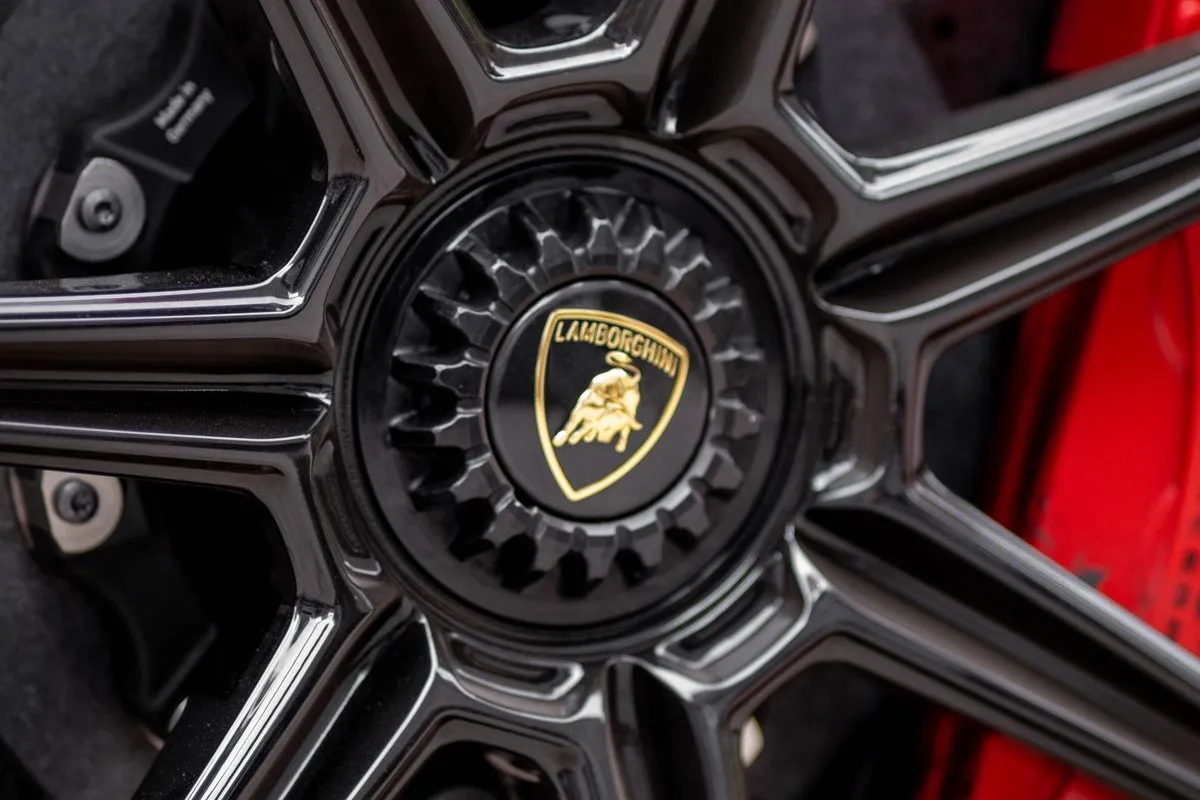
Wheels: the highest-value add-onGlass: the rain argumentTrim: the UV rescueWhen to skipHow Each Surface Is Prepped and Coated DifferentlyLooking After Coated Wheels, Glass and TrimBrake dust is hot, metallic and corrosive - it embeds into wheel finishes and eventually can’t be cleaned off. A wheel coating (faces, and barrels on flagship tiers) creates a heat-resistant barrier: dust sits on the surface and pressure-washes away. On German cars with heavy dust, it’s transformative.
A glass coating makes water bead and run off at speed - in a Charleston downpour, wipers work less and visibility is genuinely better. It also slows the water-spot etching our mineral-heavy rain leaves on untreated glass. Expect 12–24 months of strong behavior.
Unpainted black plastic fades gray in SC sun within a few years. Trim coatings restore depth on faded pieces and protect new ones - one of the biggest visual-age differences on trucks and SUVs.
Garaged cars on low miles can skip glass. Cheap wheels you’ll replace anyway can skip coating. Everything else: while the car is prepped and in the bay, these are the cheapest protection per dollar we sell.
Wheels, glass and trim are not coated with a quick wipe of whatever is left in the paint bottle. Wheel coating starts with the wheel off its normal wash routine: iron remover to dissolve embedded brake dust, a thorough degrease, and careful drying, because the coating must bond to a clean finish that will then live at high temperature. Faces are straightforward; barrels, where fitted on flagship work, are where the dust burden is heaviest and the cleaning payoff largest.
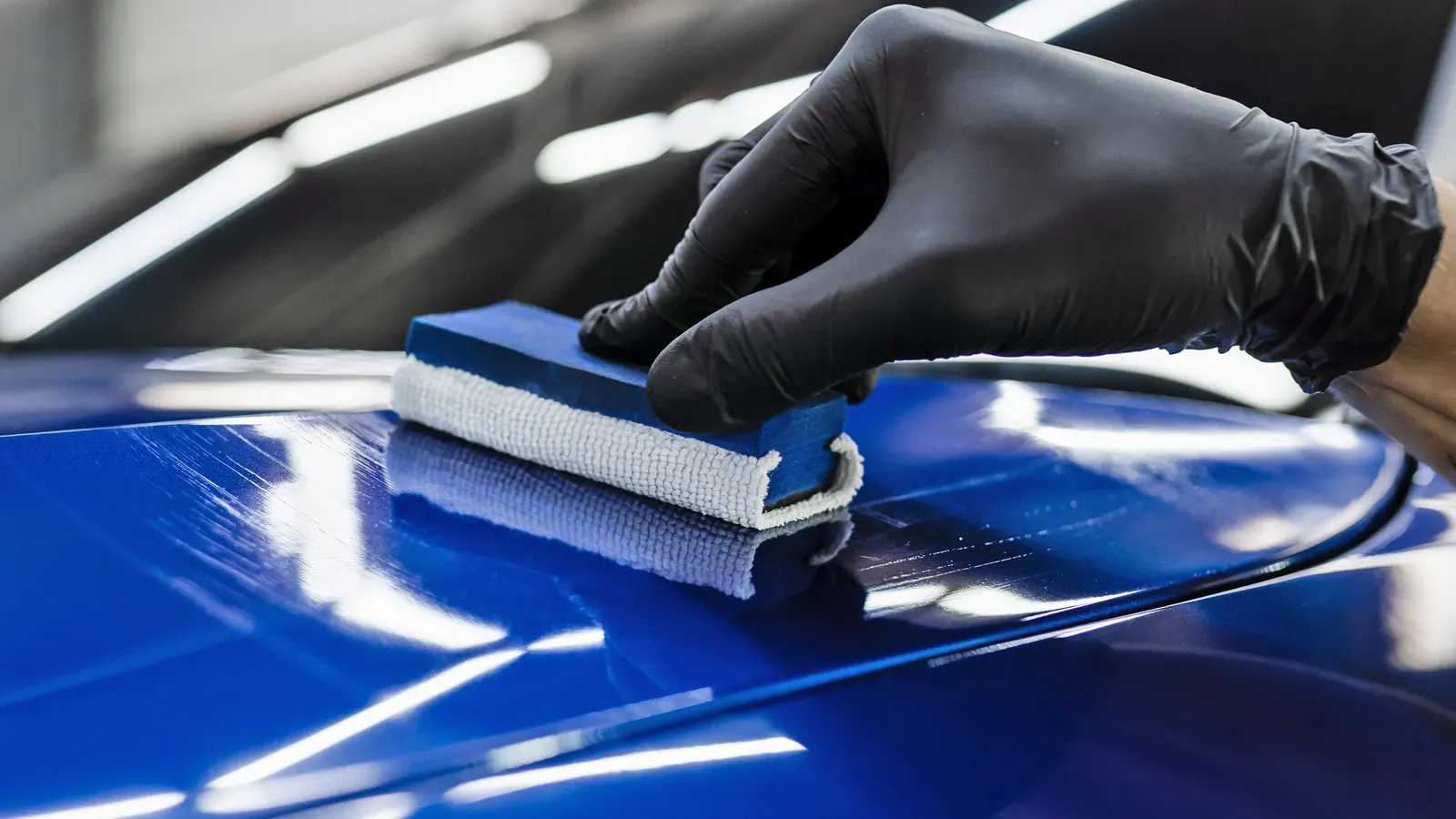
Glass is polished and panel-wiped first so the treatment bonds evenly - patchy glass prep is why some rain treatments smear. Trim is cleaned and, on faded pieces, its color is assessed honestly before coating: a trim coating deepens and protects, but severely oxidized plastic may need restoration work first for an even result. Each surface also cures on its own clock within the same visit. The point of booking them with the paint coating is shared preparation time in the bay - the car is already stripped, washed and indoors - which is why the combined price is lower than three separate visits.
Wheels still need washing - coating changes how easily they clean, not whether they get dirty. The good news is what you can stop using: harsh acid wheel cleaners are unnecessary and unwelcome. pH-neutral shampoo, a soft wheel brush and water pressure will lift brake dust that would previously have needed chemicals and scrubbing. Clean wheels when they are cool; spraying any product onto a hot wheel invites spotting and streaks.
On glass, expect wipers to last and behave better because they glide over a slicker surface, and replace blades when they age rather than blaming the coating for smearing. Avoid abrasive glass polishes over the treated area. Trim needs the simplest care of all: wash it with the rest of the car and keep silicone-heavy dressings off it, because dressings sit on top of the coating, attract dust and create the patchy shine owners then try to scrub away. If a surface’s behavior fades early, raise it at a maintenance visit - each of these coatings can be refreshed individually without redoing the whole car.
Glass treatment typically behaves strongly for 12–24 months depending on wiper use and mileage. Wheel coatings work in a harsher, hotter environment and are best judged by cleaning ease - when brake dust starts clinging again despite proper washing, a refresh is due. Both can be renewed individually at a maintenance visit without recoating the paint.
No. A wheel coating is clear and preserves the existing finish - gloss stays gloss and satin stays satin. What changes is how the wheel behaves: brake dust sits on the surface instead of bonding, and the wheel returns to clean with shampoo and water rather than acid cleaners and aggressive scrubbing.
Usually not. Light to moderate fading responds well to proper cleaning and a trim coating, which restores depth and then protects against further UV damage - a major issue under South Carolina sun. Severely oxidized trim may need a restoration step first for an even finish. We will assess it honestly under studio lighting before quoting.
Key takeaways
Wheels: brake dust stops bonding - the Saturday-saverGlass: real visibility gains in Lowcountry rainTrim: stops the gray fade SC sun causesCheapest as add-ons during a coating bookingKeep reading
Getting it done locally: see Ceramic Coating in Charleston or Ceramic Coating in Mount Pleasant - same studio standard, priced for your exact car.
Send us the year, make and model - you’ll get an exact quote and the next studio slot.