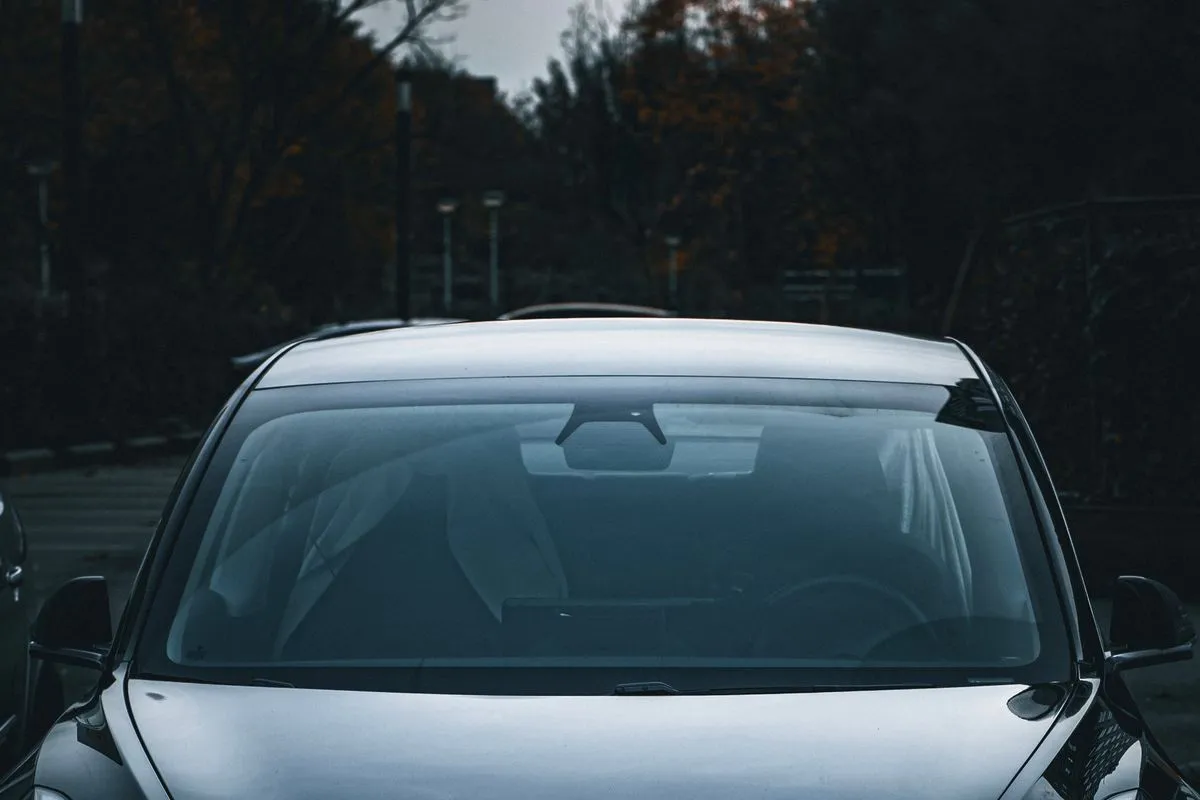
Guide - Window Tint
Teslas arrive with acres of glass and minimal factory heat rejection - in Charleston, the cabin pre-conditioning runs constantly. Ceramic tint (including the roof) is the…
The short answer: Teslas arrive with acres of glass and minimal factory heat rejection - in Charleston, the cabin pre-conditioning runs constantly. Ceramic tint (including the roof) is the single biggest comfort upgrade Tesla owners here make.
In this guide
The glass problemWhat owners bookInstall carePair it while it’s hereRange, battery and the air-conditioning dividendModel-by-model notes from the fitting bayModel 3 and Y roofs are already darkened, but like SUV factory glass it’s mostly dye: the infrared pours through and the cabin heat-soaks. Owners measure it in AC minutes and battery percent. A flagship ceramic layer on the roof and sides changes the car’s whole summer personality.
Full vehicle flagship ceramic ($699) with roof coverage is the standard Tesla booking; the windshield strip for glare; sometimes full windshield in a legal high-TSER film. We’ll map the options to your model and how you park.
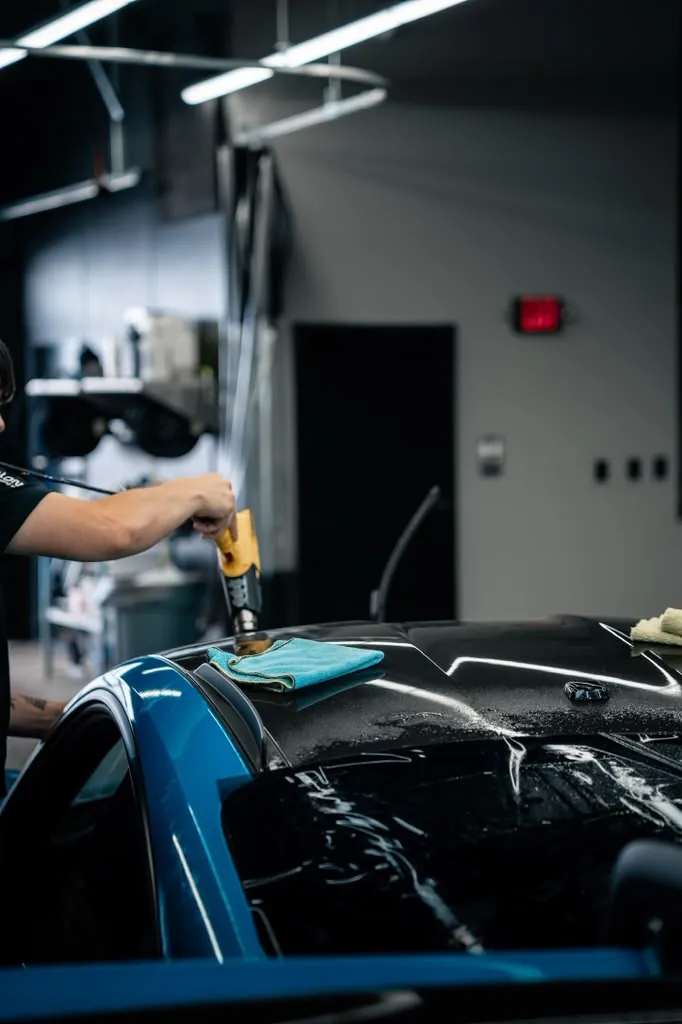
Tesla glass is big, curved and surrounded by expensive trim and electronics. Computer-cut patterns, careful water management around door electronics, and experience with frameless doors matter - this is weekly work for us, not a first attempt.
Tint day pairs naturally with the PPF/coating conversation - Tesla paint needs its own plan. See the Tesla Studio page for the combined packages most owners choose.
Tesla owners track everything in percent, so here is the tint benefit in their language. A heat-soaked cabin forces the climate system to work hard at the start of every drive and to keep working against solar load the whole way. Reduce the solar load with ceramic film rejecting up to around 60 percent of total solar energy, and the climate system reaches its steady state sooner and holds it with less effort. On short Charleston trips - school run, grocery run, the stop-start pattern that dominates local driving - that matters most, because the cool-down spike is a large share of the whole journey’s energy.
Cabin Overheat Protection also cycles less aggressively when the interior starts cooler and heats more slowly, which owners notice as a car that loses less parked charge on a summer day at the office or the beach. We will not promise a specific range figure - driving style and weather swamp any honest estimate - but the direction is certain: every watt of heat the film stops at the glass is a watt the battery never spends removing it. Comfort arrives first; efficiency follows it quietly.
Model Y is the volume booking: a large roof panel that benefits most from flagship ceramic overhead, plus a hatch rear that loads heat straight into the cargo area where dogs and groceries ride. Model 3 shares the roof logic with a slightly tighter rear glass that rewards careful shrinking. Model X brings the famous panoramic windshield - remember South Carolina limits windshield film to above the AS-1 line - and falcon-door glass with sensors that demand methodical fitting. Model S sits between: big glass, frameless doors, owners who tend to keep the car long enough that lifetime-warranty film is the obvious math.
Across all four, the working rules repeat. Computer-cut patterns keep film edges exact around Tesla’s frameless glass. Water is managed carefully around door electronics and speakers during fitting. And the shade conversation always includes a night drive on unlit Lowcountry roads, because Tesla owners here commute the same dark stretches as everyone else. Book by model and year so the right patterns are ready before the car arrives.
No. The XPEL ceramic film we install is metal-free, so cellular, Wi-Fi, GPS, Bluetooth and keyless systems behave exactly as before. Cameras and sensors sit behind glass areas that are fitted with the same care and legality as any windshield - nothing about a ceramic install changes how the car’s driver-assistance hardware sees the road.
It is usually the single most worthwhile panel on the car. The factory roof darkness is dye: it shades light but lets much of the infrared through, which is why the cabin still heat-soaks. A flagship ceramic layer adds real heat rejection and up to 99 percent UV block without making the roof feel closed in or cave-like.
Plan on around two hours for a full vehicle, with roof coverage fitted in the same visit, and longer only if old film needs removing first. Add the usual three-to-five-day cure afterwards with windows staying up. Most owners drop the car in the morning and collect it at lunch, charged, cooled and already easier to live with.
Key takeaways
Tesla glass = dye, not heat rejection; cabins heat-soak fastRoof + sides flagship ceramic is the standard fixFrameless doors and big glass need experienced handsCombine with the Tesla protection plan in one visitKeep reading
Getting it done locally: see Window Tint in Charleston or Window Tint in Mount Pleasant - same studio standard, priced for your exact car.
Send us the year, make and model - you’ll get an exact quote and the next studio slot.